Plant Protein Pairing: Combining Amino Acids on GLP-1 Plans
Discover how smart plant protein pairing helps meet your daily amino acid needs on GLP-1 medication. Learn easy, nutrient-dense plant combinations today.
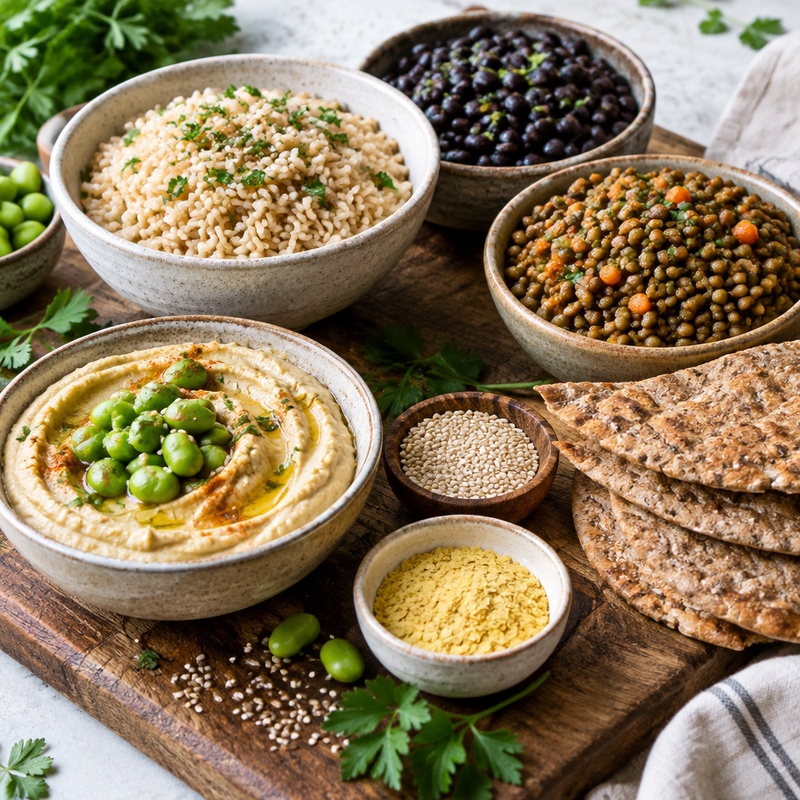
Embarking on a weight management journey with GLP-1 receptor agonist medications often brings transformative shifts in how individuals relate to food. By enhancing satiety signals and slowing gastric emptying, these medical therapies help reduce spontaneous calorie intake and curb persistent hunger signals. For many people, this physiological shift creates a newfound ease around daily meal choices. However, smaller meal volumes present a unique nutritional consideration: ensuring that every bite delivers adequate essential nutrients, particularly high-quality protein.
Embarking on a weight management journey with GLP-1 receptor agonist medications often brings transformative shifts in how individuals relate to food. By enhancing satiety signals and slowing gastric emptying, these medical therapies help reduce spontaneous calorie intake and curb persistent hunger signals. For many people, this physiological shift creates a newfound ease around daily meal choices. However, smaller meal volumes present a unique nutritional consideration: ensuring that every bite delivers adequate essential nutrients, particularly high-quality protein.
For individuals following vegetarian, vegan, or plant-predominant dietary patterns, meeting elevated protein needs within a reduced overall intake requires thoughtful planning. Plant-based proteins offer an array of phytonutrients, antioxidants, and dietary fiber that support cardiovascular and metabolic health. Yet, because individual plant foods vary in their amino acid makeup, relying on a single plant source may not supply optimal ratios of the building blocks your body requires to maintain lean muscle mass and support vital physiological functions. This is where strategic plant protein pairing becomes a practical, empowering tool. By understanding how to combine complementary grains, legumes, seeds, and concentrated plant foods across your daily routine, you can build complete amino acid profiles while honoring smaller appetites.
Understanding Essential Amino Acids and Plant-Based Protein
To appreciate the concept of plant protein pairing, it helps to start with the biochemical structure of protein. Proteins are composed of smaller organic compounds known as amino acids. While the human body can synthesize many of these building blocks internally, nine specific amino acids—histidine, isoleucine, leucine, lysine, methionine, phenylalanine, threonine, tryptophan, and valine—are classified as essential amino acids (EAAs). Because human physiology cannot manufacture essential amino acids, they must be supplied regularly through dietary sources.
In dietary discussions, foods are often categorized based on their amino acid completeness. Animal-derived protein sources naturally supply all nine essential amino acids in proportions that closely mirror human physiological requirements. Conversely, individual plant sources—with a few notable exceptions such as soy, quinoa, and amaranth—tend to have lower concentrations of one or more essential amino acids. These limited building blocks are referred to as limiting amino acids. For instance, most legumes (beans, lentils, and chickpeas) are abundant in the amino acid lysine but contain lower relative amounts of methionine. On the other hand, cereal grains (such as brown rice, oats, farro, and whole wheat) are rich in methionine but contain lower levels of lysine.
Historically, nutritional advice suggested that plant-based eaters needed to combine complementary protein sources within the exact same meal—a concept known as instant protein complementation. Modern nutritional science has evolved beyond this rigid requirement. Research indicates that the human liver maintains a temporary pool of free amino acids, allowing the body to store and draw upon amino acids consumed across an entire 24-hour window. As long as a variety of complementary plant foods are consumed throughout the day, the body can synthesize complete proteins efficiently without requiring precise pairing at every single bite. Nevertheless, intentionally pairing complementary foods within meals remains an effective strategy for individuals on GLP-1 plans, as it simplifies meal planning and ensures consistent amino acid availability when overall food volume is reduced.
The Challenge of Volume on GLP-1 Medications
GLP-1 receptor agonists alter gastrointestinal motility and appetite signaling, which frequently leads to earlier fullness during meals. While this effect supports weight management goals, it presents a distinct physiological puzzle for plant-based eaters. Traditional plant-focused diets often depend on high-volume, fiber-heavy staples—such as whole beans, lentils, intact grains, and large leafy green salads—to achieve target protein levels. A plant-based eater attempting to consume 25 to 30 grams of protein from plain boiled black beans and brown rice alone might need to eat up to three full cups of cooked food in a single sitting.
Under the influence of GLP-1 medications, consuming such high-volume meals can feel uncomfortable, leading to symptoms like premature fullness, upper abdominal pressure, or digestive heavy sensations. If an individual stops eating early due to rapid satiety, they may fall short of their daily protein recommendations. Prolonged protein shortfalls during active weight management increase the risk of losing lean skeletal muscle mass alongside adipose tissue. Skeletal muscle plays a crucial role in maintaining resting metabolic rate, physical strength, insulin sensitivity, and long-term functional mobility. Therefore, preserving lean muscle mass is a foundational clinical objective during GLP-1 therapy.
Addressing this challenge requires shifting focus from overall meal volume to protein density per bite. Rather than relying exclusively on bulky plant staples, individuals on GLP-1 plans benefit from integrating compact, highly concentrated plant protein options alongside strategic pairing techniques. This refined approach honors reduced stomach capacity while delivering the full spectrum of essential amino acids required for daily recovery, cellular repair, and tissue maintenance.
High-Density Plant Proteins: Maximizing Amino Acids in Small Servings
When appetite is naturally reduced, selecting plant sources that provide high concentrations of protein relative to their physical volume becomes essential. Incorporating concentrated plant options allows you to meet amino acid benchmarks without overloading your digestive system. Several key ingredients stand out for their exceptional protein density, favorable amino acid profiles, and versatile culinary applications:
1. Whole Soy Foods (Tofu, Tempeh, and Edamame)
Soybeans are among the few plant sources that naturally provide a complete essential amino acid profile with high systemic digestibility. Tempeh, made from fermented whole soybeans, provides roughly 15 to 20 grams of protein per 3-ounce serving along with beneficial prebiotics that support gut microbial health. Firm tofu offers approximately 10 to 15 grams per 3-ounce serving and absorbs seasonings easily in savory dishes. Edamame (young soybeans) makes a convenient, high-protein addition to warm grains or chilled salads, delivering approximately 18 grams of complete plant protein per cooked cup.
2. Hemp Seeds (Hemp Hearts)
Hemp seeds are an exceptional nutritional option for small appetites. Just three tablespoons of shelled hemp seeds deliver approximately 10 grams of protein, including balanced ratios of all nine essential amino acids alongside healthy omega-3 and omega-6 fatty acids. Because hemp seeds have a mild, nutty flavor and a delicate texture, they can be seamlessly sprinkled over oatmeal, blended into morning smoothies, or stirred into warm vegetable purees without significantly increasing the physical volume of the dish.
3. Nutritional Yeast
Deactivated nutritional yeast is a staple ingredient among plant-based eaters, offering a savory, cheesy flavor profile. Two tablespoons of nutritional yeast provide roughly 8 grams of protein alongside fortified B-complex vitamins, including vitamin B12. Stirring nutritional yeast into vegetable soups, grain bowls, or tofu scrambles adds substantial protein and amino acid density with minimal added bulk.
4. Seitan (Vital Wheat Gluten)
Derived from wheat protein, seitan is one of the most protein-dense plant foods available, boasting roughly 20 to 25 grams of protein per 3-ounce serving. While seitan is naturally rich in methionine, it is relatively low in lysine. Combining seitan with lysine-rich plant foods like soy products, lentils, or white beans creates an outstanding complementary pairing that maximizes overall amino acid utilization.
5. Concentrated Plant Protein Powders
For days when solid food feels unappealing due to medication-induced satiety, high-quality plant-based protein powders offer an accessible alternative. Blends that combine pea protein (naturally high in lysine) with rice protein (naturally high in methionine) yield a balanced amino acid profile that mirrors high-quality animal proteins. Incorporating a scoop of a pea-rice protein blend into a small smoothie or warm oat porridge provides 20 to 25 grams of easily digestible protein in a compact format.
Strategic Complementary Combinations for Daily Menus
Creating nutrient-dense, plant-based meals on a GLP-1 plan does not require complex culinary calculations. By focusing on simple, time-tested pairings, you can easily compose dishes that support complete amino acid nutrition while satisfying smaller appetites. Here are four effective plant pairing frameworks designed for small-volume eating:
Framework 1: Legumes + Grains
Combining legumes with whole grains is the classic foundation of plant-based culinary traditions worldwide. Legumes supply abundant lysine, while whole grains contribute methionine and cysteine. To keep physical volume manageable during GLP-1 therapy, consider choosing higher-protein grains like quinoa, amaranth, or farro rather than plain white rice.
- Lentil and Quinoa Bowl: Chilled french green lentils tossed with cooked quinoa, cherry tomatoes, diced cucumber, fresh parsley, and a light lemon-olive oil dressing.
- Black Bean and Wild Rice Plate: A small portion of seasoned black beans paired with wild rice, topped with fresh avocado slices and a spoonful of salsa.
- Chickpea and Farro Soup: Tender chickpeas simmered with farro, diced carrots, and fresh herbs in a rich vegetable broth.
Framework 2: Seeds/Nuts + Legumes
Pairing seeds or nuts with legumes creates rich, satisfying flavor profiles while combining seed-derived methionine with legume-derived lysine. Utilizing nut or seed pastes (such as tahini or sunflower seed butter) adds calorie and protein density without filling the stomach with bulky volume.
- Tahini-Dressed Garbanzo Bowl: Warm chickpeas tossed with roasted cauliflower and a creamy tahini dressing made with fresh lemon and garlic.
- Hemp-Crusted Baked Tofu: Slices of firm tofu coated in crushed hemp seeds and baked until golden, served alongside steamed edamame.
- Lentil-Walnut Patties with Sunflower Cream: Petite lentil-walnut bites served with a savory sunflower seed dip.
Framework 3: Soy + Whole Grains & Seeds
Although soy is already a complete protein, pairing it with seeds or high-protein grains boosts overall amino acid quantity and provides varied nutrient textures, making smaller meals feel deeply nourishing.
- High-Protein Tofu Scramble: Crumbled firm tofu sauteed with spinach, nutritional yeast, and toasted pumpkin seeds, served alongside a slice of sprouted grain toast.
- Edamame and Quinoa Power Bowl: Shelled edamame combined with cooked quinoa, shredded red cabbage, and a sprinkle of toasted sesame seeds.
Practical Daily Meal Flow for Small Appetites
To visualize how these principles come together in everyday life, consider a sample daily routine tailored for an individual experiencing reduced appetite while taking GLP-1 medication:
- Morning Mini-Meal: Chia-hemp seed pudding made with unsweetened soy milk, topped with a handful of fresh berries (approximately 15g protein).
- Mid-Day Mini-Meal: Small bowl of warm quinoa and edamame tossed with nutritional yeast and olive oil (approximately 18g protein).
- Afternoon Nourishment: Smooth blend of pea-rice protein powder with almond milk and half a banana (approximately 20g protein).
- Evening Mini-Meal: Pan-seared tempeh cubes served with roasted broccolini and a side of farro (approximately 22g protein).
Optimizing Digestion, Absorption, and Lean Muscle Retention
Achieving adequate protein intake on a plant-based GLP-1 regimen involves more than simply selecting the right ingredients; optimizing how your body digests and utilizes those nutrients is equally important. GLP-1 therapies alter gastrointestinal transit time, making gentle digestion strategies valuable for overall comfort and nutrient uptake.
Prioritizing Leucine for Muscle Maintenance
Among the nine essential amino acids, leucine plays a pivotal role as a key trigger for muscle protein synthesis (MPS)—the biochemical process that repairs and maintains muscle tissue. Plant-based proteins generally contain slightly lower concentrations of leucine compared to dairy or poultry. To support lean muscle preservation during weight loss, plant-based eaters can focus on leucine-rich plant options such as soy products, pumpkin seeds, lentils, and white beans. Distributing protein intake evenly across 3 to 4 small mini-meals throughout the day helps maintain steady blood amino acid availability, stimulating muscle protein synthesis more effectively than eating one large meal at night.
Supporting Digestive Comfort
Because GLP-1 medications slow stomach emptying, consuming large amounts of unrefined fiber quickly can sometimes lead to temporary gas or upper abdominal fullness. To enhance digestive comfort while keeping protein intake elevated, consider incorporating traditional culinary techniques:
- Soaking and Sprouting: Soaking dried legumes, seeds, and grains prior to cooking reduces phytates and complex carbohydrates that can trigger digestive distress.
- Fermented Soy Options: Choosing fermented options like tempeh or natto provides pre-digested proteins and beneficial microbial cultures that are gentle on the digestive tract.
- Hydration and Thorough Chewing: Drinking adequate water between meals and chewing food thoroughly assists mechanical breakdown, easing the workload on your stomach.
Collaborating with Your Healthcare Team
Nutritional needs during active weight management are highly individualized. Factors such as baseline muscle mass, physical activity levels, age, metabolic health, and specific GLP-1 medication dosage all influence your daily protein and micronutrient requirements. While educational frameworks offer valuable starting points, personalized clinical guidance ensures your meal structure supports your overall health and wellness.
Working alongside a licensed clinician, registered dietitian, or knowledgeable medical team allows you to monitor vital health parameters during your journey. Periodic lab evaluations—such as assessing serum albumin, total protein, ferritin, vitamin B12, and vitamin D levels—can confirm that your body is absorbing adequate nutrients while adapting to lower intake volumes. In addition, routine evaluations of body composition help track changes in lean mass versus fat mass, enabling timely adjustments to your nutrition plan.
If you are exploring medical weight management options or seeking expert clinical guidance tailored to your plant-based lifestyle, support is available. Take the next step in your health journey by discovering personalized care options through EOS Health Weight Loss Support today.
Essential Amino Acids (EAAs)
Nine amino acids (histidine, isoleucine, leucine, lysine, methionine, phenylalanine, threonine, tryptophan, and valine) that the human body cannot synthesize internally and must acquire through dietary intake.
Complete Protein
A protein source that contains all nine essential amino acids in adequate proportions to support human physiological needs and tissue maintenance.
Leucine
An essential branched-chain amino acid that plays a critical regulatory role in triggering muscle protein synthesis and preserving lean muscle mass during weight management.
Protein Density
The ratio of protein content relative to the total physical volume or caloric value of a food, essential for meeting nutritional goals when appetite is reduced.
Limiting Amino Acid
The essential amino acid present in the smallest relative quantity in a specific food source, which determines the overall efficiency of protein utilization unless paired with a complementary source.
Satiety
The physiological feeling of fullness and satisfaction following a meal, which is enhanced by GLP-1 receptor agonist medications.
Sources
faq
Common questions, answered.
Do plant-based proteins need to be combined in the exact same meal to form a complete amino acid profile?
No. Research indicates that your body maintains a pool of free amino acids over a 24-hour period. As long as you consume a diverse variety of plant foods providing all essential amino acids throughout the day, your body can synthesize complete proteins effectively. However, pairing complementary foods within the same meal can simplify daily nutritional planning, especially when meal volume is small.
Why is protein density particularly important for individuals taking GLP-1 medications?
GLP-1 medications enhance satiety and slow stomach emptying, leading to smaller meal portions. Because overall food intake is reduced, each meal must be more nutrient-dense to help avoid protein shortfalls. Consuming concentrated plant protein sources helps preserve lean skeletal muscle mass during weight management without causing uncomfortable fullness.
Are hemp seeds and nutritional yeast suitable complete protein sources for smaller appetites?
Yes, both are excellent options for small appetites. Hemp seeds contain all nine essential amino acids and deliver about 10 grams of protein in just three tablespoons. Nutritional yeast provides roughly 8 grams of protein per two tablespoons. Both add substantial protein to meals without significantly increasing physical volume.
How can I support digestive comfort when increasing plant protein and fiber on GLP-1 therapy?
To support digestive comfort, increase fiber intake gradually and maintain consistent hydration throughout the day. Opting for fermented soy (like tempeh), soaking grains and legumes before cooking, and chewing food thoroughly can also ease digestion while stomach emptying is slowed by GLP-1 medication.
Can soy products be consumed daily on a GLP-1 weight management plan?
For most individuals, minimally processed soy foods like tofu, tempeh, and edamame are safe and nutritious choices for daily consumption. Soy provides a complete amino acid profile with high digestibility. If you have specific medical conditions, such as thyroid disorders, discuss optimal dietary choices with your licensed healthcare provider.
What is leucine, and why does it matter for plant-based eaters trying to preserve muscle?
Leucine is an essential amino acid that acts as a primary trigger for muscle protein synthesis. Because plant sources often have slightly lower leucine concentrations than animal proteins, plant-based eaters should intentionally include leucine-rich options—such as soy, lentils, pumpkin seeds, and white beans—to support muscle retention during weight management.
How much protein should a plant-based eater aim for while taking GLP-1 prescription medication?
Individual protein requirements vary based on factors like baseline body weight, activity level, age, and clinical goals. Generally, healthcare providers recommend aiming for adequate protein to support lean tissue preservation during active weight loss. Consulting a licensed clinician or registered dietitian can help establish a personalized daily protein target.
Should I consult my prescribing clinician about my plant-based diet plan?
Yes. Discussing your dietary preferences and meal structure with your prescribing clinician or healthcare team ensures your plan aligns with your medical history. Your provider can also recommend periodic blood work to monitor key biomarkers, such as vitamin B12, ferritin, and total protein levels.
Ready to feel like yourself again.™
Start free consultationwhat are you waiting for?
You're one click away from a new you.
Fill out our brief form and a licensed physician will evaluate which treatment plan is best for you.