Postprandial Lipemia: How Your Body Clears Fat After Meals
Explore how postprandial lipemia works and how your body clears circulating fat after meals. Discover evidence-based insights for metabolic & vascular health.
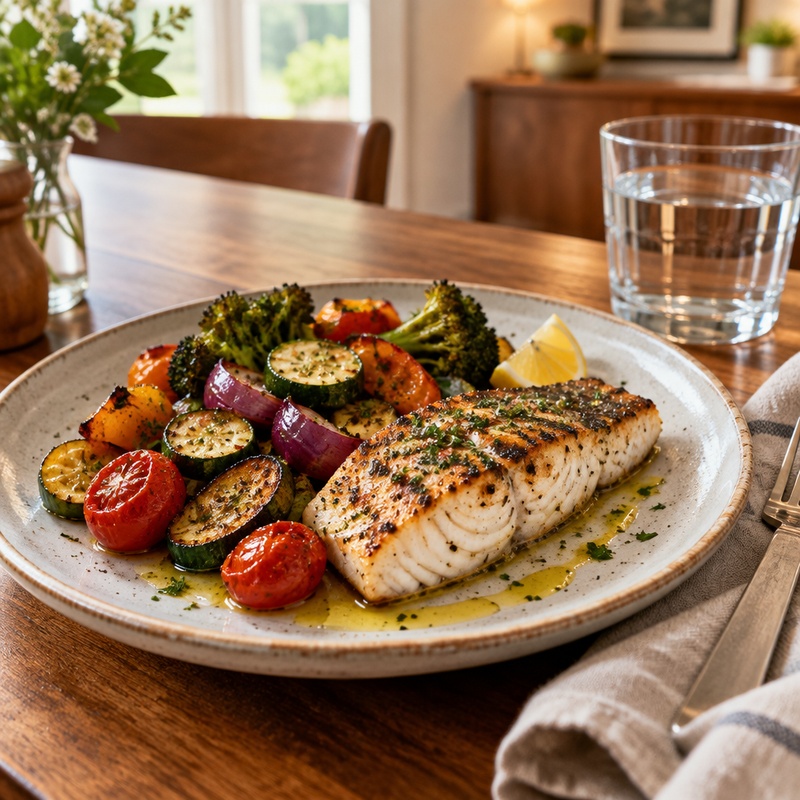
Every time you enjoy a wholesome meal containing dietary fats, carbohydrates, and proteins, your body initiates a sophisticated physiological orchestration behind the scenes. Within hours of eating, circulating fat levels in your bloodstream rise and subsequently undergo a coordinated process of transport, breakdown, and cellular uptake. This dynamic post-meal state is known in clinical medicine as postprandial lipemia. While routine health screenings frequently focus on fasting blood lipid panels measured after an overnight fast, human beings spend the vast majority of their waking hours in a postprandial state. Understanding how your body clears fat after meals provides valuable insight into overall metabolic flexibility, vascular responsiveness, and cellular energy dynamics.
Every time you enjoy a wholesome meal containing dietary fats, carbohydrates, and proteins, your body initiates a sophisticated physiological orchestration behind the scenes. Within hours of eating, circulating fat levels in your bloodstream rise and subsequently undergo a coordinated process of transport, breakdown, and cellular uptake. This dynamic post-meal state is known in clinical medicine as postprandial lipemia. While routine health screenings frequently focus on fasting blood lipid panels measured after an overnight fast, human beings spend the vast majority of their waking hours in a postprandial state. Understanding how your body clears fat after meals provides valuable insight into overall metabolic flexibility, vascular responsiveness, and cellular energy dynamics.
At EOS Health, our clinical team believes that empowering you with clear, scientific knowledge about your internal physiology helps foster a deeper appreciation for your body's innate resilience. Rather than viewing lipid metabolism through a static lens, exploring the postprandial window illuminates how nutrition, physical activity, and hormonal signaling work in harmony. In this comprehensive article, we will examine the physiological mechanics of fat clearance, the crucial interactions between post-meal blood sugar and lipid regulation, the impact on vascular endothelial function, and evidence-based lifestyle habits that support healthy postprandial triglyceride dynamics.
1. The Physiology of Post-Meal Fat Clearing: From Chylomicrons to Tissues
When you consume dietary fats—such as triglycerides found in olive oil, nuts, seeds, avocados, or animal proteins—the digestive system breaks them down in the small intestine into free fatty acids and monoglycerides. Specialized intestinal epithelial cells, known as enterocytes, reassemble these components into neutral triglycerides and package them alongside cholesterol and hydrophobic proteins. The resulting lipoprotein particles are called chylomicrons. Because chylomicrons are too large to directly enter microvascular capillaries, they travel through the lymphatic system before discharging into the systemic blood circulation via the thoracic duct.
Once chylomicrons enter circulating blood, they interact with blood vessel walls across various peripheral tissues, primarily skeletal muscle, heart muscle, and adipose tissue. Anchored to the luminal surface of capillary endothelial cells is a vital enzyme known as lipoprotein lipase (LPL). Activated by specific apolipoproteins on the chylomicron surface, LPL hydrolyzes the inner triglyceride core, releasing free fatty acids. Skeletal muscle cells readily take up these fatty acids for immediate energy production via mitochondrial beta-oxidation, while adipose tissue stores fatty acids for future metabolic demand.
Chylomicron Remnants and Hepatic Clearance
As lipoprotein lipase systematically strips triglycerides from circulating chylomicrons, the particles shrink in volume and evolve into chylomicron remnants. These remnant particles are enriched with cholesterol and specific surface proteins that allow them to be recognized by specialized receptors on liver cells (hepatocytes). The liver rapidly internalizes chylomicron remnants through receptor-mediated endocytosis, breaking them down into basic cellular building blocks. Simultaneously, the liver produces its own lipid transport particles, known as Very Low-Density Lipoproteins (VLDL), to redistribute endogenously synthesized fats throughout the body between meals.
In individuals with efficient metabolic machinery, postprandial triglyceride levels typically peak approximately two to four hours after a meal and return toward baseline levels within six to eight hours. The speed and efficiency of this lipid clearance process serve as a practical biological marker of metabolic flexibility—the capacity to seamlessly shift between carbohydrate oxidation and the utilization of dietary lipids based on nutritional availability and metabolic demand.
2. The Crosstalk Between Lipids and Glucose: Insulin's Central Role
Meals are rarely composed of a single isolated macronutrient. Instead, most everyday meals represent a combination of dietary fats, complex or simple carbohydrates, and proteins. Consequently, postprandial lipemia occurs in tandem with postprandial glycemic changes, creating an intricate biochemical dialogue governed largely by insulin signaling.
When dietary carbohydrates are digested into glucose and absorbed into the bloodstream, the pancreas secretes insulin. Insulin serves as a master regulator of nutrient storage and energy distribution. In the context of lipid clearance, insulin plays a dual regulatory role:
- LPL Activation in Adipose Tissue: Insulin stimulates the synthesis and translocation of lipoprotein lipase to capillary walls within adipose tissue, promoting the efficient uptake of post-meal fatty acids into energy storage sites.
- Regulation of Intracellular Lipolysis: Insulin attenuates the activity of hormone-sensitive lipase (HSL) inside fat cells, reducing the release of stored fats into circulating blood. This ensures that the bloodstream is not overwhelmed by competing sources of lipids while dietary fats are actively processed.
When Metabolic Signaling Is Altered
Research indicates that when peripheral tissues exhibit reduced insulin sensitivity, this synchronized hormonal signaling can become less efficient. In circumstances where cellular responsiveness to insulin is altered, adipose tissue LPL activity may decrease, while hepatic VLDL secretion remains elevated. Consequently, dietary chylomicrons and liver-derived VLDL particles compete for the same LPL clearance pathways across capillary beds.
This biological competition can lead to prolonged postprandial triglyceride elevation and an accumulation of partially degraded remnant lipoproteins in circulation. Furthermore, elevated circulating free fatty acids can temporarily interact with glucose transport signaling in skeletal muscle cells, illustrating the tight bidirectional relationship between carbohydrate regulation and lipid clearance. Understanding this crosstalk underscores why addressing metabolic wellness requires a holistic approach that considers both blood sugar patterns and lipid dynamics simultaneously.
3. Postprandial Lipids and Vascular Health: Understanding Endothelial Function
The vascular endothelium—the single-cell layer of smooth lining that coats the interior of all blood vessels—plays an active role in maintaining cardiovascular health. It secretes signaling molecules such as nitric oxide, which regulates arterial flexibility, blood flow, and vascular tone. Clinical studies examining human vascular responses after high-fat or mixed meals show that the postprandial period temporarily alters endothelial dynamics.
During peak postprandial lipemia, elevated circulating triglyceride-rich lipoproteins interact directly with endothelial cells. Research suggests that high levels of remnant particles and circulating free fatty acids may temporarily increase intracellular oxidative stress and induce transient shifts in endothelial nitric oxide production. This phenomenon, often evaluated in clinical settings using flow-mediated dilation (FMD) measurements, demonstrates a temporary, self-limiting shift in arterial compliance during the peak hours of post-meal fat clearing.
Lipid Peroxidation and Low-Grade Inflammatory Cascades
In addition to transient changes in vascular tone, postprandial remnant particles are susceptible to oxidative modification. Small remnant lipoproteins can penetrate the subendothelial space of arterial walls, where they may undergo peroxidation. Immune cells known as macrophages interact with these modified particles, triggering localized signaling cascades. When elevated postprandial triglyceride spikes occur repeatedly without adequate recovery periods, it can contribute to subtle, ongoing physiological stress within the vascular system.
Importantly, scientific observations emphasize that this transient postprandial endothelial response varies substantially depending on meal composition, individual metabolic status, baseline antioxidant capacity, and physical fitness. Experiencing temporary post-meal lipid elevation is a normal biological process; however, supporting efficient clearing mechanisms helps maintain long-term vascular resilience and arterial elasticity.
4. Evidence-Based Nutritional Factors Supporting Healthy Lipid Clearing
Fortunately, clinical nutritional research highlights numerous actionable, everyday strategies that support the body's natural fat-clearing pathways. Rather than adopting restrictive or unsustainable dietary approaches, focusing on high-quality nutrient density and strategic meal balance can naturally optimize postprandial lipid dynamics.
1. Incorporate Soluble Viscous Fiber
Soluble fibers—found abundantly in foods such as oats, barley, psyllium husk, legumes, flaxseeds, and apples—form a gel-like matrix within the digestive tract. Studies suggest that soluble fiber moderates gastric emptying and balances the rate at which glucose and dietary fats enter the small intestine. By smoothing out the rate of nutrient absorption, soluble fiber helps blunt sharp, rapid surges in both postprandial glucose and circulating triglycerides, allowing lipoprotein lipase sufficient time to process circulating particles efficiently.
2. Prioritize Monounsaturated and Omega-3 Unsaturated Fats
The structural type of dietary fat consumed significantly influences postprandial lipid curves. Clinical trials comparing saturated fats with monounsaturated fats (such as those found in extra virgin olive oil, avocados, and almonds) demonstrate that monounsaturated fats tend to yield lower postprandial triglyceride peaks and enhanced post-meal insulin sensitivity. Additionally, long-chain omega-3 fatty acids (EPA and DHA, found in cold-water fatty fish like salmon and sardines) are well-documented to support lower baseline triglyceride levels and enhance LPL expression, promoting efficient postprandial particle clearing.
3. Engage in Gentle Post-Meal Physical Activity
Physical movement serves as one of the most effective modulators of postprandial metabolism. Engaging in light physical activity—such as a 10 to 20 minute walk shortly after finishing a meal—stimulates skeletal muscle contraction. Muscle movement increases blood flow to capillary beds and upregulates skeletal muscle lipoprotein lipase expression, independent of insulin signaling. Research indicates that low-intensity post-meal movement noticeably accelerates triglyceride clearance from the bloodstream and moderates overall postprandial glycemic excursions.
4. Embrace Polyphenol-Rich Foods
Polyphenols are naturally occurring bioactive compounds abundant in colorful vegetables, berries, green tea, dark cocoa, extra virgin olive oil, and herbs. These micro-nutrients possess potent antioxidant properties that help neutralize reactive oxygen species generated during digestion. Research indicates that consuming polyphenol-rich foods alongside mixed meals helps preserve endothelial nitric oxide bioavailability, supporting healthy vascular reactivity during peak postprandial lipemia.
5. Individual Responses and Clinical Insights: Navigating Your Metabolic Journey
It is crucial to recognize that human metabolic responses are uniquely individualized. Two individuals consuming the exact same meal can exhibit distinctly different postprandial triglyceride trajectories and clearance times. Factors influencing this variability include genetics, baseline body composition, physical fitness level, sleep duration, circadian timing, stress levels, and the composition of the gut microbiome.
Because postprandial lipid clearing reflects a complex interplay of liver function, endothelial integrity, muscle receptor sensitivity, and endocrine balance, comprehensive health evaluations often extend beyond standard fasting blood tests. Exploring advanced lipid testing, continuous glucose tracking, or detailed metabolic biomarker panels alongside a qualified healthcare provider can yield personalized, actionable clarity.
If you are exploring comprehensive, evidence-based ways to support your long-term health and wellness goals, tailored medical guidance can empower you to make informed decisions. We invite you to learn more about comprehensive metabolic and wellness support options at EOS Health Weight Management. Our dedicated clinical team provides compassionate, personalized care designed to help you navigate your individual health journey with clarity and confidence.
Always remember that meaningful health improvements are built on consistent, sustainable daily choices. Working closely with a licensed clinician allows you to interpret clinical findings accurately, tailor nutritional strategies to your personal biology, and establish a strong foundation for lifelong metabolic vitality.
Postprandial Lipemia
The temporary elevation of blood triglyceride levels that occurs during the digestion and processing of a meal containing dietary fats.
Chylomicrons
Large lipoprotein particles produced by intestinal cells that transport dietary lipids through the lymphatic system and bloodstream to body tissues.
Lipoprotein Lipase (LPL)
An enzyme located on the surface of capillary endothelial cells that breaks down triglycerides in circulating lipoproteins into free fatty acids for energy utilization or storage.
Endothelial Function
The operational efficiency of the inner lining of blood vessels, which regulates vascular tone, blood flow, and arterial flexibility through signaling molecules like nitric oxide.
Metabolic Flexibility
The physiological capacity of the body to adapt fuel oxidation efficiently in response to changes in nutrient availability and metabolic demand.
Sources
faq
Common questions, answered.
What exactly is postprandial lipemia?
Postprandial lipemia refers to the dynamic increase and subsequent clearing of circulating dietary fats—specifically triglycerides—in the blood during the hours following a meal.
How long after a meal do triglyceride levels usually peak?
In most healthy individuals, circulating triglyceride levels begin to rise within an hour after eating, typically reaching their peak between two and four hours post-meal, before gradually returning to baseline within six to eight hours.
Why do mixed meals affect fat clearing differently than fat-only meals?
Mixed meals contain carbohydrates along with fats, which triggers the secretion of insulin. Insulin regulates key fat-clearing enzymes like lipoprotein lipase and alters how peripheral tissues process and store circulating lipids.
How does physical activity influence post-meal lipid clearing?
Light movement, such as walking after meals, increases blood flow to skeletal muscles and activates muscle lipoprotein lipase, accelerating the removal of triglycerides from blood circulation.
What role does dietary fiber play in managing postprandial triglycerides?
Soluble fiber forms a viscous gel in the digestive tract that moderates gastric emptying and nutrient absorption, resulting in a smoother, more gradual entry of fats and sugars into the bloodstream.
Why are postprandial lipids important if standard lab tests measure fasting levels?
Since people spend most of their waking hours digesting food, postprandial lipid levels reflect how the body manages dietary fats throughout daily life, providing a real-time picture of metabolic flexibility.
Can stress or sleep disruption affect how the body processes fat after meals?
Yes. Elevated stress hormones like cortisol and sleep disruption can temporarily reduce insulin sensitivity and alter the enzymatic activity responsible for efficient postprandial lipid clearing.
When should I consult a healthcare provider regarding my metabolic health?
It is always beneficial to speak with a licensed clinician if you want to better understand your lipid panels, explore personalized metabolic guidance, or address specific health concerns through comprehensive medical evaluation.
Ready to feel like yourself again.™
Start free consultationwhat are you waiting for?
You're one click away from a new you.
Fill out our brief form and a licensed physician will evaluate which treatment plan is best for you.