How Can I Raise My Estrogen Levels Quickly?
Understand the physiological timeline of estrogen changes during perimenopause and explore safe, evidence-based ways to support your hormones.
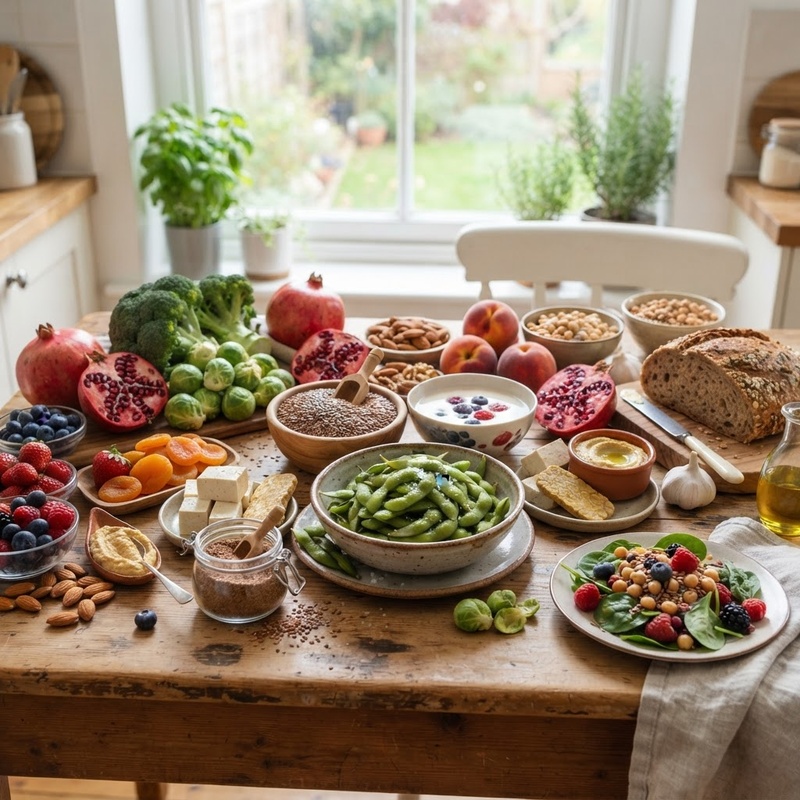
When women begin experiencing signs of perimenopause—such as erratic menstrual cycles, unexpected temperature fluctuations, mood shifts, changes in skin elasticity, or joint stiffness—it is natural to seek swift solutions. Estrogen is one of the primary female sex hormones, produced predominantly by the ovaries, and it regulates hundreds of physiological pathways throughout the human body.
When women begin experiencing signs of perimenopause—such as erratic menstrual cycles, unexpected temperature fluctuations, mood shifts, changes in skin elasticity, or joint stiffness—it is natural to seek swift solutions. Estrogen is one of the primary female sex hormones, produced predominantly by the ovaries, and it regulates hundreds of physiological pathways throughout the human body. When circulating estrogen levels decline or fluctuate unpredictably during perimenopause, many women wonder: How can I raise my estrogen levels quickly?
From a clinical perspective, understanding the biological timeline of hormonal shifts is essential. While rapid, unregulated spikes in estrogen are neither biologically realistic nor medically safe, there are evidence-based medical treatments and structured lifestyle strategies that can support estrogen levels and alleviate transitional discomforts efficiently. In this comprehensive guide, the clinical team at EOS Health breaks down how estrogen operates in the body, why "quick fixes" can be misleading, and how to safely support your hormonal health under professional clinical supervision.
1. Understanding Estrogen Physiology and Perimenopausal Decline
Estrogen is not a single chemical entity, but rather a class of steroid hormones that includes estradiol (E2), estrone (E1), and estriol (E3). During a woman's reproductive years, estradiol is the primary active circulating estrogen, synthesized by granulosa cells in the developing ovarian follicles under the stimulation of Follicle-Stimulating Hormone (FSH) and Luteinizing Hormone (LH) from the pituitary gland. Estradiol plays a vital role in maintaining reproductive organ lining, bone tissue mineralization, central thermoregulation, skin collagen synthesis, and cardiovascular vascular tone.
During perimenopause, the ovarian follicular reserve naturally diminishes. As fewer follicles mature each month, ovulation becomes erratic, causing estradiol production to fluctuate wildly rather than drop in a simple linear line. One month, circulating estrogen may spike to unusually high levels; the next month, it may drop significantly. This hormonal volatility—rather than just low estrogen alone—causes many characteristic perimenopausal experiences.
Because these hormonal dynamics are driven by complex neuroendocrine feedback loops involving the hypothalamus, pituitary gland, and ovaries (the HPO axis), attempting to "boost" estrogen overnight without clinical guidance can disrupt this delicate endocrine balance. Safe, effective hormonal management focuses on gentle, sustained support and physiological stabilization rather than abrupt surges.
2. Prescription Hormone Replacement Therapy (HRT): The Most Direct Clinical Approach
For women seeking the most effective and direct method to restore circulating estradiol levels, prescription Hormone Replacement Therapy (HRT)—also termed Menopausal Hormone Therapy (MHT)—is the gold standard of clinical care. Under medical supervision, prescribed bioidentical estradiol directly replenishes circulating hormone levels, providing systemic stabilization and relief from vasomotor discomfort.
Prescription estrogen is available in several clinical formulations tailored to individual health profiles:
- Transdermal Estradiol Patches and Topical Gels: Applied directly to the skin, transdermal estradiol is absorbed continuously into the systemic bloodstream. This method is widely preferred by clinicians because it bypasses hepatic first-pass metabolism, maintaining steady blood levels and offering a favorable cardiovascular safety profile.
- Oral Estradiol Tablets: Ingested daily, oral estrogen provides systemic hormone restoration. It is metabolized by the liver, which can influence circulating lipid markers and clotting factors, making thorough clinical evaluation and candidate selection important.
- Localized Low-Dose Vaginal Estrogen: For women experiencing localized tissue dryness, vulvovaginal thinning, or urinary discomfort without severe systemic hot flashes, vaginal rings, creams, or tiny tablets deliver estrogen directly to pelvic tissues with minimal systemic absorption.
Importantly, for women who have an intact uterus, systemic estrogen therapy must always be paired with a progestogen (such as micronized progesterone or dydrogesterone) to protect the endometrial lining from overstimulation. A licensed healthcare provider at EOS Health can evaluate your detailed medical history to determine whether prescription HRT is suitable for you.
3. Incorporating Dietary Phytoestrogens
In addition to medical prescription options, daily nutrition offers a gentle, natural way to support estrogenic activity in body tissues. Phytoestrogens are naturally occurring plant compounds that share structural similarities with 17-beta-estradiol. They can bind weakly to human estrogen receptors (both ER-alpha and ER-beta), exerting mild estrogenic or anti-estrogenic effects depending on circulating endogenous hormone levels.
Key dietary sources of phytoestrogens include:
- Isoflavones (Soy and Legumes): Whole non-GMO soy products—such as edamame, organic tofu, tempeh, and unsweetened soy milk—contain rich concentrations of genistein and daidzein. Clinical studies suggest that regular intake of dietary soy can help moderate hot flash frequency and intensity over time.
- Lignans (Flaxseeds and Whole Grains): Ground flaxseeds are one of the richest dietary sources of lignans. When ingested, beneficial gut bacteria convert lignans into enterolactone and enterodiol, compounds that exert mild estrogenic activity and support cardiovascular wellness.
- Coumestans (Sprouts and Legumes): Found in mung bean sprouts, alfalfa sprouts, split peas, and pinto beans, coumestans provide additional dietary plant compounds that support endocrine health.
While dietary phytoestrogens do not elevate blood estrogen levels as rapidly or dramatically as prescription HRT, incorporating them into daily meals provides consistent, gentle nourishment for body tissues.
4. Essential Micronutrients for Steroid Hormone Synthesis
The human body synthesizes steroid hormones like estrogen through enzymatic pathways that begin with cholesterol and require specific micronutrients as enzymatic cofactors. Ensuring adequate intake of essential vitamins and minerals supports your body's innate hormone synthesis capabilities:
- B-Complex Vitamins (Especially B6, B9, and B12): B vitamins support liver methylation pathways, which are responsible for converting and clearing estrogen metabolites safely. They also participate in cellular energy production, red blood cell maturation, and neurotransmitter synthesis.
- Vitamin D3 and Vitamin K2: Vitamin D functions as a secosteroid hormone in the body, interacting with nuclear receptors in reproductive, immune, and bone tissues. Maintaining optimal Vitamin D status supports endocrine receptor sensitivity and bone mineral density.
- Magnesium and Zinc: These essential minerals serve as cofactors for over 300 enzymatic reactions, supporting ovarian tissue health, stress response modulation, muscle function, and cellular repair.
- Healthy Essential Fatty Acids: Consuming adequate monounsaturated and omega-3 fatty acids—from extra virgin olive oil, avocados, wild salmon, sardines, and walnuts—provides the lipid building blocks necessary for cell membrane structure and steroid hormone precursor transport.
5. Managing Cortisol and Stress-Induced Hormonal Suppression
Chronic stress is one of the most significant lifestyle factors that can suppress natural estrogen production and exacerbate perimenopausal symptoms. When the body experiences ongoing psychological, emotional, or physical stress, the adrenal glands prioritize the production of cortisol and adrenaline over sex hormone support—a physiological phenomenon sometimes described as stress-induced endocrine redirection.
Elevated circulating cortisol can interfere with the pituitary gland's signaling to the ovaries, further dampening endogenous estrogen production and narrowing the hypothalamus's thermoregulatory threshold. Incorporating daily stress-modulation practices—such as diaphragmatic breathing, mindfulness meditation, gentle yoga, nature walks, and setting firm work-life boundaries—helps lower baseline cortisol, creating a favorable hormonal environment.
6. Liver Health and Estrogen Metabolism
Supporting healthy estrogen levels requires paying attention not only to hormone production, but also to hormone clearance and metabolism. The liver is the primary metabolic organ responsible for detoxifying and converting circulating estrogens into water-soluble metabolites for elimination through the digestive tract and kidneys.
Supporting hepatic clearance pathways involves eating cruciferous vegetables (such as broccoli, Brussels sprouts, cabbage, and kale) rich in indole-3-carbinol and sulforaphane, staying well-hydrated, and minimizing alcohol intake. When hepatic clearance functions smoothly, the body maintains a healthier balance between active hormones and breakdown products.
7. Gut Microbiome Health and the Estrobolome
An emerging area of women's endocrine health is the role of the estrobolome—a specialized collection of bacteria within the gut microbiome capable of metabolizing and recycling circulating estrogens. These gut microbes produce an enzyme called beta-glucuronidase, which deconjugates bound estrogens, allowing them to re-enter systemic circulation and bind to tissue receptors.
When gut microbial diversity is compromised due to poor diet, excessive antibiotic use, or chronic stress, beta-glucuronidase activity can become erratic. Supporting gut health through fiber-rich whole foods, fermented items like plain yogurt or kefir, and adequate hydration supports healthy estrobolome activity and estrogen recycling.
8. Why Caution is Essential with Unregulated "Estrogen Boosters"
In search of quick solutions, women are frequently exposed to aggressive online marketing for over-the-counter "natural estrogen boosters," unregulated hormone creams, or high-dose herbal extracts. Clinical experts emphasize the need for strong caution regarding these products.
Unlike FDA-regulated prescription HRT, over-the-counter hormonal supplements often lack standardized dosing, purity verification, and rigorous safety testing. Unregulated topical progesterone or estrogen creams purchased online can contain inconsistent hormone amounts, leading to unexpected side effects, endometrial irritation, or hormone imbalance. Always consult a licensed healthcare professional before introducing any over-the-counter hormonal product or high-potency herbal supplement.
9. When to Consult EOS Health for Clinical Guidance
Supporting your estrogen levels during perimenopause is not about finding a secret quick fix, but rather establishing a safe, evidence-based care strategy tailored to your unique biology. Attempting to manage perimenopause alone can lead to frustration and delay effective care.
At EOS Health, our clinical team provides compassionate, virtual care designed specifically for women navigating perimenopause. Our licensed healthcare providers conduct thorough clinical assessments, order comprehensive lab panels when appropriate, discuss non-hormonal and bioidentical hormone prescription options, and deliver individualized lifestyle guidance. Take charge of your health transition safely by scheduling a virtual consultation today at EOS Health Women's Health Care.
Glossary of Estrogen Terms
Estradiol (E2): The most potent naturally occurring form of estrogen produced primarily by ovarian follicles during reproductive years.
Phytoestrogens: Plant-derived compounds found in foods like soy and flaxseed that possess structural similarity to human estrogen and bind weakly to estrogen receptors.
Aromatase: An enzyme present in fat tissue, brain, and liver that converts androgenic precursor hormones into estrone and estradiol.
Transdermal Delivery: A medical route of drug administration where active ingredients are absorbed through the skin directly into systemic circulation.
Progestogen: A class of natural or synthetic hormones (including micronized progesterone) prescribed alongside estrogen to protect the uterine lining.
HPO Axis: The Hypothalamic-Pituitary-Ovarian axis, a complex hormonal feedback loop regulating reproductive function and steroidogenesis.
Sources
faq
Common questions, answered.
How long does it take for prescription HRT to balance estrogen levels?
Most women begin noticing improvements in vasomotor symptoms within 2 to 4 weeks of starting prescription transdermal or oral estrogen therapy. Full physiological stabilization typically develops over 8 to 12 weeks as tissue receptors adjust.
Can over-the-counter estrogen creams raise blood estrogen levels safely?
Over-the-counter hormone creams are often unregulated, meaning their potency, absorption rates, and long-term safety are unpredictable. It is far safer to use FDA-regulated prescription hormone therapy under the care of a licensed medical clinician.
Do plant phytoestrogens show up on blood hormone tests?
No. Dietary phytoestrogens like soy isoflavones interact with estrogen receptors in tissues, but they do not convert directly into human estradiol or elevate serum estradiol measurements on standard blood tests.
Is it possible to have high estrogen during perimenopause?
Yes. Because perimenopause involves erratic ovarian follicle maturation, estrogen levels can temporarily spike to unusually high levels before dropping later. This fluctuation is why symptom tracking and professional evaluation are so important.
Can exercise help support healthy estrogen levels?
Moderate physical activity supports overall endocrine balance, improves insulin sensitivity, and helps regulate stress hormones. However, excessively intense overtraining without adequate recovery can actually suppress ovarian function and lower estrogen levels.
What are the signs that my estrogen levels may be fluctuating?
Common signs include irregular menstrual cycle lengths, unexpected hot flashes, night sweats, vaginal dryness, subtle mood shifts, joint stiffness, and changes in skin hydration.
Do shifts in body composition affect estrogen levels during perimenopause?
Adipose (fat) tissue contains an enzyme called aromatase, which converts adrenal hormones into estrone (a milder form of estrogen). Shifts in body composition can influence circulating estrone, but intentional healthy habits should focus on overall vitality rather than rapid changes.
When should I see a doctor about low estrogen symptoms?
You should consult a healthcare provider whenever perimenopausal symptoms interfere with your daily comfort, sleep, work, or quality of life, or if you want a professional evaluation of your hormonal health.
You deserve to feel this way.™
Start free consultationwhat are you waiting for?
You're one click away from a new you.
Fill out our brief form and a licensed physician will evaluate which treatment plan is best for you.