How to Reduce Hot Flashes at Night Naturally
Learn natural ways to reduce hot flashes at night, from optimizing your sleep environment to cooling techniques and stress reduction.
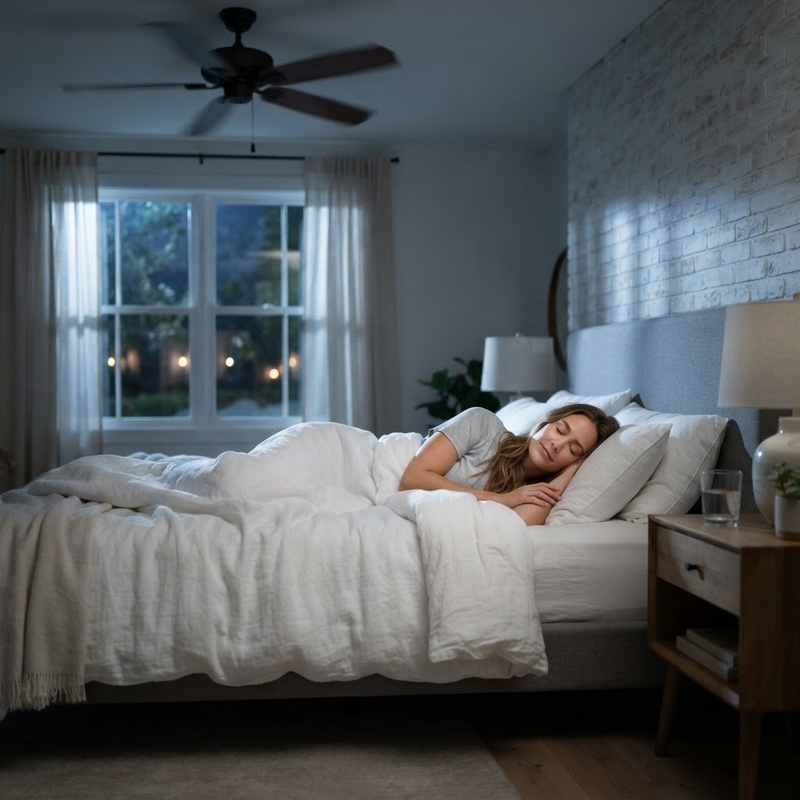
Nighttime hot flashes, also known as night sweats, can be particularly disruptive because they interfere with sleep. When you cannot sleep well, every other symptom feels worse. Fortunately, several natural strategies can help reduce the frequency and intensity of nighttime hot flashes.
Nighttime hot flashes, also known as night sweats, can be particularly disruptive because they interfere with sleep. When you cannot sleep well, every other symptom feels worse. Fortunately, several natural strategies can help reduce the frequency and intensity of nighttime hot flashes.
Optimize Your Sleep Environment
Keeping your bedroom cool is one of the most effective strategies. Aim for a temperature between 60 and 67 degrees Fahrenheit. Use a fan or air conditioner to maintain a consistent cool temperature throughout the night.
Choose breathable bedding made from natural fibers. Cotton, bamboo, and linen sheets allow air to circulate and help wick moisture away from your body. Avoid synthetic fabrics like polyester, which trap heat.
Consider using moisture-wicking sleepwear designed for hot flashes. These garments are made from advanced fabrics that pull moisture away from the skin, helping you stay dry and comfortable even if a night sweat occurs.
Adjust Your Evening Routine
What you do in the hours before bed can affect your likelihood of nighttime hot flashes. Avoid alcohol in the evening — while it may make you feel drowsy initially, it can trigger night sweats and disrupt sleep quality.
Skip spicy foods and heavy meals within three hours of bedtime. Spicy foods raise body temperature, and heavy meals increase metabolic heat production, both of which can trigger hot flashes.
Avoid caffeine in the afternoon and evening. Caffeine is a known hot flash trigger and can also interfere with sleep. If you need a warm drink before bed, choose caffeine-free herbal tea like chamomile or peppermint.
Cooling Techniques for Nighttime Relief
Keep a glass of ice water on your nightstand. Sipping cool water when you feel a hot flash coming on can help lower your core temperature and reduce the intensity of the episode.
Try the layering technique with your bedding. Use a light sheet as your base layer, with a lighter blanket on top that you can easily throw off when a hot flash hits. This allows you to adjust quickly without fully waking up.
Some women find relief from placing a cool pack under their pillow. When a hot flash starts, simply flip the pillow to the cool side. Others use cooling gel pads designed for hot flash relief.
Stress Reduction Before Bed
Stress is a major trigger for nighttime hot flashes. Incorporating relaxation practices into your evening routine can help calm your nervous system and reduce the likelihood of night sweats.
Try ten minutes of deep breathing, meditation, or gentle stretching before bed. These practices lower cortisol levels and help prepare your body for restful sleep. There are many free apps and online videos that can guide you.
A warm — not hot — shower or bath an hour before bed can also help. It temporarily raises your body temperature, and as it cools back down, it signals to your body that it is time to sleep.
Natural Supplements to Consider
Some women find that natural supplements help reduce nighttime hot flashes. Black cohosh, evening primrose oil, and valerian root are among the most commonly used. However, it is essential to discuss any supplements with a healthcare provider before starting them.
Magnesium may support better sleep and help with temperature regulation. Vitamin E has also been studied for hot flash relief, though evidence is mixed. Always choose high-quality supplements and follow recommended dosages.
When to Talk to a Healthcare Provider
Night sweats do not have to rob you of sleep. Visit EOS Health to connect with a clinician who can help you develop a personalized plan for managing nighttime hot flashes.
Glossary
Night Sweats: Hot flashes that occur during sleep, causing intense heat and perspiration that can significantly disrupt sleep quality.
Moisture-Wicking Fabrics: Advanced textiles that pull moisture away from the skin, helping you stay dry and comfortable during night sweats.
Sleep Hygiene: Practices that support quality sleep, including a cool environment, consistent schedule, and avoiding triggers before bed.
Cortisol: The body's stress hormone, which can trigger hot flashes when elevated. Relaxation practices help lower cortisol levels.
Sources
faq
Common questions, answered.
Why do hot flashes happen at night?
Nighttime hot flashes, or night sweats, occur due to the same hormonal changes that cause daytime hot flashes. They may feel more disruptive because they interrupt sleep. The body's temperature regulation is also naturally lower at night, which can make fluctuations more noticeable.
What temperature should my bedroom be to prevent night sweats?
Aim for a bedroom temperature between 60 and 67 degrees Fahrenheit. Keeping the room cool is one of the most effective strategies for reducing nighttime hot flashes.
Does alcohol make night sweats worse?
Yes, alcohol is a common trigger for night sweats. It can raise body temperature and disrupt sleep quality. Avoiding alcohol in the evening can help reduce nighttime hot flashes.
What should I wear to bed if I have night sweats?
Choose breathable, moisture-wicking sleepwear made from natural fibers like cotton or bamboo. There are also specially designed hot flash sleepwear options made from advanced cooling fabrics.
Can herbal tea help with nighttime hot flashes?
Caffeine-free herbal teas like chamomile, peppermint, and valerian root can promote relaxation and may help reduce nighttime hot flashes. Avoid teas containing caffeine.
Are there supplements that help with night sweats?
Some women find relief with black cohosh, evening primrose oil, magnesium, or vitamin E. However, evidence is mixed and supplements can interact with medications. Always consult a healthcare provider before starting any supplement.
How can I cool down quickly during a night sweat?
Keep ice water by your bed, use cooling gel pads, flip your pillow to the cool side, and use breathable layered bedding that you can easily remove. Some women also find relief from a small fan directed at the bed.
Will night sweats eventually stop?
For most women, night sweats decrease in frequency and intensity after menopause. In the meantime, lifestyle modifications and cooling strategies can help manage them effectively.
You deserve to feel this way.™
Start free consultationwhat are you waiting for?
You're one click away from a new you.
Fill out our brief form and a licensed physician will evaluate which treatment plan is best for you.