Seafood on GLP-1: Simple Ways to Enjoy More Fish
Discover simple ways to incorporate seafood on GLP-1 therapy. Explore easy fish recipes, pantry staples, and gentle cooking tips for smaller appetites.
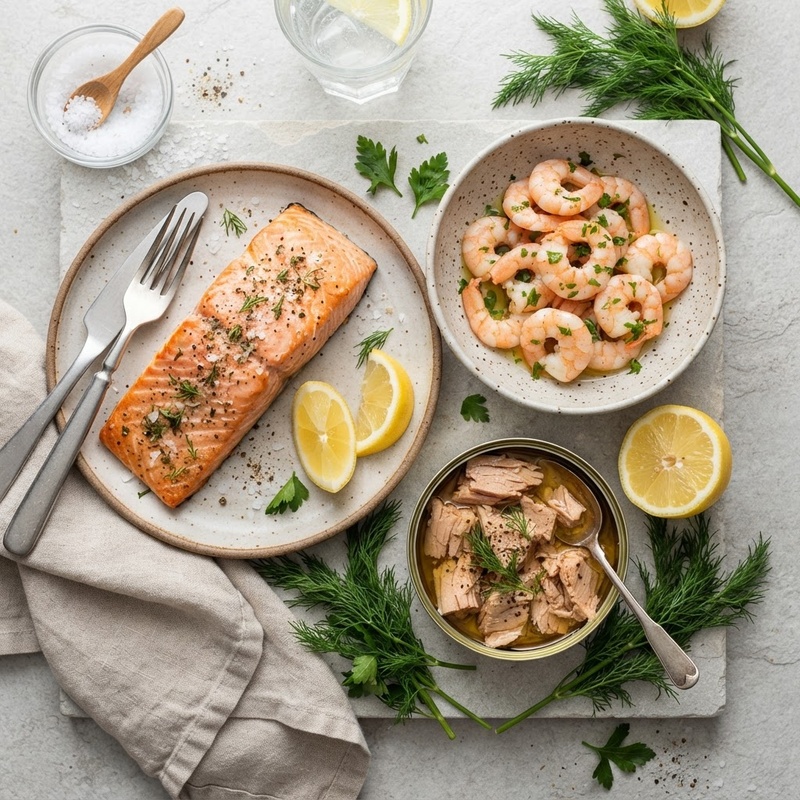
Starting GLP-1 therapy often introduces significant changes in appetite, satiety, and digestive rhythm. When meal sizes naturally decrease, every bite carries greater nutritional importance. Ensuring adequate protein intake becomes a foundational priority for supporting lean muscle mass, stable energy levels, and overall metabolic wellness. For many individuals navigating GLP-1 receptor agonist treatment, seafood offers an exceptional nutritional solution. It is packed with high-quality protein, essential omega-3 fatty acids, and key micronutrients while remaining relatively light and easy to digest.
Starting GLP-1 therapy often introduces significant changes in appetite, satiety, and digestive rhythm. When meal sizes naturally decrease, every bite carries greater nutritional importance. Ensuring adequate protein intake becomes a foundational priority for supporting lean muscle mass, stable energy levels, and overall metabolic wellness. For many individuals navigating GLP-1 receptor agonist treatment, seafood offers an exceptional nutritional solution. It is packed with high-quality protein, essential omega-3 fatty acids, and key micronutrients while remaining relatively light and easy to digest.
However, adjusting to smaller portion sizes and altered taste preferences can make meal planning feel challenging. Traditional heavy fish preparations or complex recipes might seem unappealing when appetite is low. The key to successfully incorporating more fish into your routine lies in simplicity, versatility, and gentle preparation methods. In this guide, we explore practical, approachable strategies for enjoying seafood while on GLP-1 medication, from leveraging convenient pantry staples to mastering effortless cooking techniques tailored for smaller appetites.
Why Seafood Fits Seamlessly into a GLP-1 Nutrition Plan
When appetite signals are muted, individuals often find it difficult to consume large protein portions such as dense steaks or heavy poultry dishes. Seafood provides a uniquely gentle alternative that aligns well with the physiological changes associated with GLP-1 therapy.
Optimal Nutrient Density in Compact Portions
Seafood is remarkably nutrient-dense, delivering substantial amounts of high-biological-value protein in relatively small serving sizes. A three-to-four-ounce serving of wild salmon, cod, or halibut can provide between 18 and 25 grams of complete protein, containing all essential amino acids necessary for muscle maintenance. Research suggests that consuming sufficient protein during weight management helps preserve lean muscle mass, which supports baseline metabolic function and functional strength.
Beyond protein, fatty fish such as wild salmon, mackerel, sardines, and trout are rich in long-chain omega-3 fatty acids, specifically eicosapentaenoic acid (EPA) and docosahexaenoic acid (DHA). Studies indicate that omega-3 fatty acids contribute to cardiovascular health, support cognitive function, and help maintain systemic inflammatory balance. Additionally, seafood is a valuable natural source of vitamin D, vitamin B12, selenium, and iodine—nutrients that play vital roles in cellular energy production, thyroid function, and immune health support.
Ease of Digestion and Post-Meal Comfort
GLP-1 medications slow gastric emptying, which prolongs the feeling of fullness after eating. While this mechanism supports healthy appetite regulation, it can sometimes lead to feelings of heaviness or mild gastrointestinal discomfort if meals are overly dense or greasy. Fish features delicate connective tissue fibers compared to mammalian meat, making it markedly easier for the digestive tract to break down efficiently. Choosing tender, moist seafood can help minimize post-meal heaviness while ensuring your body receives essential nourishment.
Pantry Staples: Easy Canned Tuna, Salmon, and Sardines
On days when energy is low or appetite is minimal, the prospect of cooking fresh meals from scratch can feel daunting. Shelf-stable canned and pouched seafood offers an accessible, low-effort solution that requires minimal preparation time while maintaining excellent nutritional value.
Selecting High-Quality Canned Seafood
When selecting canned seafood for a GLP-1-friendly pantry, simple ingredient lists are best. Look for options packed in water or extra virgin olive oil rather than heavy seed oils or overly salty broths. Water-packed tuna and salmon offer lean protein with minimal extra calories, allowing you to control added fats according to personal comfort levels. Extra virgin olive oil options provide beneficial monounsaturated fats, which can enhance flavor and fat-soluble nutrient absorption for individuals who tolerate mild healthy fats well.
Canned salmon with soft bones and canned sardines represent particularly nutrient-dense choices. The soft, edible bones in canned salmon and sardines provide an easily absorbed source of dietary calcium and phosphorus, supporting skeletal health during body composition changes. Sardines are also low on the marine food chain, making them naturally low in mercury while abundant in essential omega-3 fatty acids.
Effortless Preparation Ideas for Smaller Appetites
Incorporating canned fish into daily routines does not require complicated recipes. Here are several simple, gentle ways to prepare canned seafood for modest portions:
- Greek Yogurt Tuna Salad: Swap traditional mayonnaise for plain, low-fat Greek yogurt. Mix canned light tuna with Greek yogurt, diced cucumbers, a touch of Dijon mustard, and fresh lemon juice. This combination boosts protein content while keeping the texture light, refreshing, and digestive-friendly.
- Salmon and Avocado Mash: Gently fold canned wild salmon with a quarter of a mashed avocado, fresh dill, and sea salt. Serve atop seed crackers or crisp cucumber slices for a balanced snack rich in protein and healthy fats.
- Quick Sardine Grain Bowl: Top a small scoop of warm quinoa or brown rice with half a tin of sardines, steamed baby spinach, and a squeeze of fresh lemon juice. The warmth softens the flavor profile while creating a comforting, nutrient-packed mini-meal.
Frozen Fillets: Quick, Gentle Meals Without Fuss
Frozen seafood is often just as fresh—or even fresher—than raw fish found at grocery counters, as it is typically flash-frozen at sea shortly after harvest. Keeping a selection of frozen fish fillets in your freezer ensures high-quality protein is always readily available without risk of rapid spoilage.
Choosing White Fish vs. Richer Varieties
Different types of fish offer distinct textures and flavor profiles, allowing you to tailor your meal choices to how your stomach feels on any given day:
Mild White Fish Options
Varieties like cod, haddock, tilapia, halibut, and flounder are exceptionally lean and mild in flavor. They are ideal choices for days when you experience subtle appetite changes or food aversion, as their aroma and taste are understated. Mild white fish cooks quickly, flakes tenderly, and absorbs gentle seasonings easily without overwhelming sensitive taste buds.
Rich, Fatty Fish Varieties
Wild salmon, rainbow trout, and mahi-mahi offer a firmer texture and higher omega-3 fatty acid concentration. These options are wonderful choices when appetite signals feel stable and you desire a deeply satisfying, nutrient-dense meal that provides lasting energy.
Safe Thawing and Individual Portion Control
Managing portion sizes is crucial when navigating GLP-1 therapy. Purchasing individually wrapped frozen fillets allows you to thaw exactly the portion size you intend to eat, minimizing food waste and avoiding feeling overwhelmed by large meals. For optimal safety and texture, thaw fillets overnight in the refrigerator. If a faster option is needed, place the sealed fillet in a bowl of cold water for 15 to 20 minutes until completely thawed.
Gentle Cooking Methods and Simple Flavor Boosters
The culinary method used to cook fish significantly impacts its texture, digestibility, and palatability. High-heat deep frying or pan-searing with excess butter can add heavy fats that may trigger gastrointestinal discomfort on GLP-1 medications. Gentle, moisture-retaining cooking techniques yield tender, flavorful results without unnecessary heavy oils.
Gentle Preparation Techniques
Mastering a few simple, low-fuss cooking methods makes seafood preparation consistent and enjoyable:
- Parchment Paper Packets (En Papillote): Place a fish fillet on parchment paper with thin slices of zucchini, cherry tomatoes, a splash of low-sodium broth, and fresh herbs. Fold the parchment into a sealed packet and bake at 375°F (190°C) for 12 to 15 minutes. The fish steams gently in its natural moisture, producing delicate, tender meat without added fats.
- Gentle Oven Baking: Arrange fillets on a baking sheet lined with parchment paper, lightly brush with olive oil, season with dried herbs, and bake at 400°F (200°C) for 10 to 12 minutes until the fish flakes easily with a fork.
- Poaching in Herbal Broth: Gently simmer fish fillets in a shallow skillet filled with low-sodium vegetable or bone broth infused with garlic, ginger, and lemon slices. Poaching maintains maximum moisture, resulting in extraordinary tenderness that is exceptionally easy on digestion.
Enhancing Flavor Without Satiety Overload
Subtle shifts in taste perception can occasionally occur during GLP-1 therapy. Bright, clean seasonings enhance appetite appeal without relying on rich, heavy sauces:
- Citrus Zest and Juices: Fresh lemon, lime, or orange zest adds vibrant flavor brightness that enhances fish without adding heavy calories or fats.
- Fresh and Dried Culinary Herbs: Dill, parsley, basil, chives, and tarragon pair naturally with seafood while providing beneficial plant compounds.
- Mild Aromatics: Garlic powder, minced ginger, and green onions add satisfying savory depth without irritating sensitive digestive tracts.
Building Balanced, Nutrient-Dense Seafood Meals with Smaller Appetites
When meal volume is naturally reduced, thoughtful meal structuring ensures nutritional adequacy while respecting your body's satiety signals.
Structuring the Balanced Plate
To optimize nutrient intake and post-meal comfort, consider structuring your plate with protein as the primary priority:
- Prioritize Protein First: Begin eating your seafood portion first to ensure core daily protein targets are met before early fullness sets in.
- Incorporate Soft Vegetables: Pair fish with tender, well-cooked vegetables such as steamed broccoli florets, roasted carrots, or sautéed spinach. Well-cooked vegetables are gentler on digestion than raw salads.
- Add Small Portions of Complex Carbs: Include modest servings of complex carbohydrates like quinoa, sweet potatoes, or brown rice to provide steady, sustained energy.
Hydration Timing and Satiety Management
Maintaining proper hydration is essential during GLP-1 therapy to support kidney function and healthy digestive motility. However, consuming large quantities of fluid directly during meals can overfill the stomach, causing premature fullness or discomfort. Clinical guidelines frequently suggest pausing fluid consumption 15 to 30 minutes before meals and waiting 30 minutes after eating before resuming regular drinking.
Collaborating with Your Clinical Support Team
Nutritional needs vary widely based on individual health history, metabolic goals, current GLP-1 dosage, and physical activity levels. While seafood provides an excellent foundation for balanced nutrition, personalized professional guidance remains vital for long-term health optimization.
Before introducing major dietary shifts or pursuing weight management medical therapies, consulting a qualified healthcare professional is strongly recommended. Licensed clinicians can evaluate your complete medical history, assess nutrient status, monitor health parameters, and provide customized nutritional guidance. If GLP-1 prescription therapy is deemed appropriate for your weight management journey, it must only be prescribed after thorough clinical evaluation by a licensed healthcare provider. Educational information regarding weight management therapies—including compounded medications, which are not FDA-approved—should always be discussed with your physician to ensure safe and effective care. Furthermore, individual responses to treatment and dietary changes vary, and specific health outcomes differ for each person.
At EOS Health, our dedicated clinical care team is committed to supporting your wellness journey with evidence-based medical oversight and individualized nutrition support. Explore how personalized care can support your long-term health goals by visiting EOS Health Weight Loss Support today.
Omega-3 Fatty Acids
Essential polyunsaturated fats, including EPA and DHA, that support heart health, brain function, and systemic inflammatory balance.
Gastric Emptying
The rate at which food moves from the stomach into the small intestine, a process naturally slowed by GLP-1 receptor agonist therapy.
Complete Protein
A protein source that contains all nine essential amino acids required by the human body for tissue repair and muscle maintenance.
Satiety
The feeling of fullness and satisfaction following a meal, which helps regulate food intake and appetite signals.
Bioavailability
The degree and rate at which nutrients are absorbed and utilized by the body from digestive food sources.
Sources
faq
Common questions, answered.
Is seafood a good source of protein for individuals on GLP-1 medications?
Yes, seafood is an outstanding protein choice during GLP-1 therapy. It provides high-quality complete protein in compact, easily digestible portions, which helps meet nutritional needs without overloading a reduced appetite.
How much fish should I aim to eat each week while taking a GLP-1?
General dietary guidelines recommend consuming seafood two to three times per week. Combining fatty fish like salmon with mild white fish like cod offers a balanced variety of protein and healthy omega-3 fatty acids.
Are canned fish options like tuna and salmon as nutritious as fresh fish?
Canned seafood provides comparable nutritional benefits to fresh fish, delivering rich amounts of protein, omega-3 fatty acids, and essential minerals. Choosing water-packed or olive-oil-packed options supports easy meal prep with minimal effort.
How can I manage strong fishy odors if I experience mild nausea?
Choosing mild white fish such as cod, tilapia, or flounder can help, as they have very subtle aromas. Adding fresh lemon juice or cooking fish in sealed parchment packets also minimizes cooking smells effectively.
What are the best gentle cooking methods for fish on GLP-1 therapy?
Moist-heat cooking techniques such as parchment paper baking, gentle poaching, and oven baking are ideal. These methods preserve fish tenderness without requiring heavy added oils or fats that might upset digestion.
Can eating fish help support lean muscle preservation during weight loss?
Seafood supplies complete protein with essential amino acids required for muscle protein synthesis. Consuming adequate dietary protein alongside resistance exercise supports lean muscle maintenance during weight management.
Are there mercury concerns with eating more seafood regularly?
Varying your seafood choices helps manage mercury exposure naturally. Options like salmon, sardines, trout, light tuna, and cod are low in mercury and safe for regular consumption as part of a balanced diet.
Should I consult a healthcare provider about my protein goals on GLP-1 therapy?
Yes, consulting a licensed clinician or registered dietitian is strongly recommended. Healthcare providers can provide personalized protein targets based on your unique medical profile, health status, and treatment plan.
Ready to feel like yourself again.™
Start free consultationwhat are you waiting for?
You're one click away from a new you.
Fill out our brief form and a licensed physician will evaluate which treatment plan is best for you.