Seasonal Produce on GLP-1: Eating with the Seasons
Discover how seasonal produce on GLP-1 therapy can elevate nutrition, lower grocery bills, and support small-portion, nutrient-dense eating year-round.
Embracing a GLP-1 medical weight loss journey often transforms your relationship with food in profound and unexpected ways. As appetite naturally moderates and portion sizes decrease, the quality and character of what ends up on your plate become significantly more important. When every bite counts, prioritizing nutrient-dense, high-flavor ingredients helps nourish your body effectively while maintaining a joyful experience around food. One of the most satisfying and practical ways to achieve this balance is by aligning your meals with the natural rhythm of the seasons.
Embracing a GLP-1 medical weight loss journey often transforms your relationship with food in profound and unexpected ways. As appetite naturally moderates and portion sizes decrease, the quality and character of what ends up on your plate become significantly more important. When every bite counts, prioritizing nutrient-dense, high-flavor ingredients helps nourish your body effectively while maintaining a joyful experience around food. One of the most satisfying and practical ways to achieve this balance is by aligning your meals with the natural rhythm of the seasons.
Seasonal eating—selecting fruits and vegetables harvested at their peak ripeness—delivers superior flavor, enhanced nutritional value, and noticeable economic savings. For individuals utilizing GLP-1 receptor agonist therapy, incorporating seasonal produce offers tailored support for smaller appetite capacities, encouraging culinary variety and gentle digestive comfort throughout the year. At EOS Health, our clinical team emphasizes holistic, sustainable lifestyle habits that complement medical therapies, helping you build a vibrant and health-focused relationship with nutrition.
The Power of Seasonal Eating for GLP-1 Therapy Support
When starting or managing GLP-1 medications, your gastrointestinal system adapts to changes in gastric emptying rate and satiety signals. Because total food volume generally decreases, selecting foods that deliver maximum vitamins, minerals, antioxidants, and dietary fiber per bite is essential. Produce harvested at peak natural maturity often retains higher concentrations of essential micronutrients compared to out-of-season items that travel long distances and ripen artificially in transit.
Beyond nutrient density, seasonal eating introduces natural dietary diversity. Rotating produce based on seasonal availability expands your intake of varied phytonutrients—natural plant compounds that support cell health, metabolic function, and immune wellness. Furthermore, produce harvested in season inherently tastes richer and more robust. When appetite is subdued, intense natural flavors make small, thoughtful portions deeply satisfying without relying on heavy sauces or excessive added sugars.
Clinical observations suggest that patients who cultivate a diverse, plant-rich diet during weight management experience greater long-term satisfaction and digestive consistency. By leveraging seasonal produce on GLP-1 therapy, you provide your body with biological support tailored to changing seasonal needs—such as hydrating produce during warm summer months and grounding, fiber-rich root vegetables during colder seasons.
Navigating Farmer's Markets and Seasonal Bins
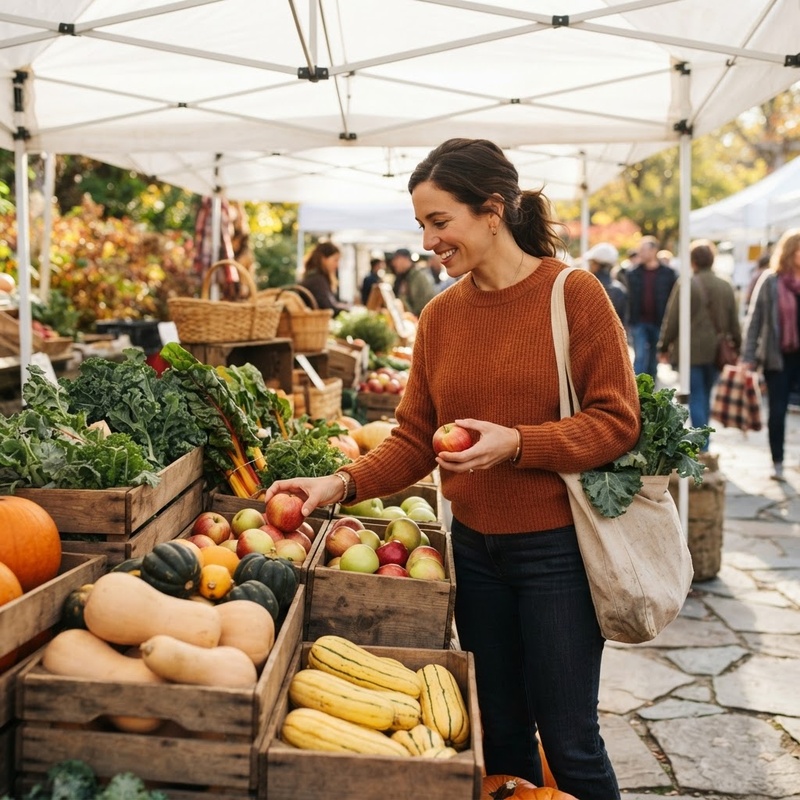
Local farmer's markets and dedicated seasonal produce bins in your neighborhood grocery store offer prime opportunities to explore peak-season ingredients. Shopping these venues transforms food selection into an engaging, mindful experience, reconnecting you with local agriculture and freshness.
To make the most of your market visits while managing smaller meal portions, consider these practical guidelines:
- Shop with Intention: Because GLP-1 therapy reduces overall volume intake, purchase smaller quantities of highly perishable items to prevent food waste. Select single units or smaller batches of delicate berries and leafy greens.
- Engage with Local Growers: Local farmers can offer insights into when crops were harvested, how best to store them, and simple culinary preparations that highlight natural flavors.
- Embrace Organic Imperfection: Farm-fresh produce may look less uniform than commercially processed supermarket goods, but non-standard shapes often correlate with higher flavor intensity and minimal post-harvest chemical treatments.
- Focus on Fragrance and Firmness: Peak-season produce communicates freshness through aroma and texture. Ripe stone fruits, vine-ripened tomatoes, and fresh herbs carry distinct, inviting aromas that signal optimal maturity.
Integrating weekly trips to a farmer's market fosters positive behavioral reinforcement, turning routine grocery shopping into an active, health-affirming ritual that supports your broader health goals.
A Seasonal Produce Guide: What to Enjoy Year-Round in the US
In the United States, each season brings a distinct selection of fruits and vegetables that align remarkably well with GLP-1 nutritional requirements. Below is a seasonal breakdown detailing produce highlights, nutritional benefits, and gentle digestive considerations.
Spring: Fresh Beginnings and Digestive Ease
Spring harvests feature delicate, hydrating vegetables that ease digestion as your body adjusts to warmer weather and shifting routine:
- Asparagus: Packed with folate, vitamin K, and prebiotic inulin fiber, asparagus supports gut microbiota and smooth digestive transport.
- Radishes: High in vitamin C and mustard oils that stimulate digestive juices naturally, adding crisp texture and pepperiness to salads.
- Spinach and Tender Greens: Rich in magnesium and iron, fresh spring greens offer effortless nutrient absorption in small salads or light sautes.
- Strawberries: Low in glycemic index and rich in vitamin C and manganese, fresh strawberries offer natural sweetness without drastic blood sugar spikes.
Summer: Maximum Hydration and Antioxidant Richness
Warm summer months emphasize high-water content produce that aids hydration, a crucial focus for individuals on GLP-1 therapies:
- Zucchini and Summer Squash: Mild, easy to digest, and versatile; excellent raw, grilled, or lightly spiralized into low-density noodles.
- Bell Peppers and Heirloom Tomatoes: Abundant in lycopene and vitamin C, supporting skin health and cellular protection under solar exposure.
- Cucumbers: Composed of over 95% water, fresh cucumbers provide hydration, potassium, and crispness for refreshing small snacks.
- Blueberries and Blackberries: Loaded with anthocyanins and soluble fiber that slows carbohydrate absorption and supports steady energy.
Autumn: Earthy Comfort and Fiber Balance
As temperatures cool, autumn produce delivers hearty, grounding options loaded with complex fiber and immune-supportive vitamins:
- Winter Squash (Butternut, Acorn, Pumpkin): Excellent sources of beta-carotene and potassium. When roasted or pureed into soups, squash provides comforting texture that sits gently in the stomach.
- Apples and Pears: High in soluble pectin fiber, which aids cholesterol regulation and promotes gentle bowel regularity. Pairing slices with almond butter offers protein-fiber synergy.
- Brussels Sprouts and Cauliflower: Cruciferous options high in glucosinolates; roasting or lightly steaming helps break down tough fibers for easier digestion.
- Sweet Potatoes: Complex carbohydrates that release glucose steadily, aiding energy preservation during active weight loss phases.
Winter: Micronutrient Density and Immunity Support
Winter produce provides essential micronutrients during flu season while offering soothing warmth and rich textures:
- Citrus Fruits (Oranges, Grapefruits, Meyer Lemons): High in vitamin C, flavonoids, and hydration, perfect for brightening winter meals and dressing fresh salads.
- Dark Leafy Greens (Kale, Collards, Swiss Chard): Exceptionally rich in vitamins A, C, and K, plus calcium. Lightly wilting greens with olive oil makes nutrients readily bioavailable.
- Root Vegetables (Carrots, Beets, Turnips): Rich in dietary nitrates and minerals; roasting concentrates natural sugars and mellows earthy notes for easy digestion.
Simple Portion-Friendly Preparation Techniques for GLP-1 Nutrition
Because GLP-1 medications slow gastric emptying, culinary preparation methods play a major role in meal comfort and tolerance. Heavy, oily, or overly fibrous raw foods can occasionally lead to feelings of fullness or mild bloat. Preparing seasonal produce with gentle, flavor-concentrating techniques optimizes both digestion and culinary enjoyment.
1. Light Steaming and Roasting
Cooking cruciferous vegetables, root crops, and squash gently softens tough cellulose walls, rendering fiber easier for the stomach to process. Dry roasting at high temperatures caramelizes natural plant sugars, delivering deep flavor without requiring heavy sauces or excess fats.
2. Pureeing into Silky Soups and Smoothies
Blending seasonal produce into smooth soups (like roasted butternut squash or zucchini basil) or nutrient-dense smoothies creates portion-controlled, easily digestible meals. Pureed textures allow you to absorb dense micronutrients without straining diminished digestive capacity.
3. Infusing Natural Flavors with Acid and Herbs
When appetite is reduced, bright flavor highlights prevent food fatigue. Using fresh seasonal herbs (cilantro, mint, basil, rosemary) along with citrus zest, apple cider vinegar, or balsamic drizzles elevates flavor profiles without adding unnecessary caloric weight.
4. Slicing and Shaving for Delicate Textures
If you prefer raw seasonal vegetables, shaving items like radishes, fennel, or carrots finely with a mandoline or vegetable peeler reduces mechanical digestive load, allowing you to enjoy crisp textures comfortably.
Economic Benefits: Maximizing Value and Reducing Waste on Peak Produce
A common misconception is that eating high-quality, fresh produce is inherently prohibitive in cost. However, purchasing fruits and vegetables during their regional peak harvest yields significant financial advantages. When local crops are abundant, market supply drives prices down compared to off-season produce imported from distant regions.
For individuals on GLP-1 treatment, smaller appetite capacity can occasionally lead to unused fresh produce spoiling in the refrigerator. Implementing smart economic practices preserves both your wellness and your grocery budget:
- Buy in Small Quantities: Rather than bulk purchasing, buy only what you plan to consume over 3 to 4 days.
- Flash-Freeze Excess Produce: If you purchase an abundance of seasonal berries, stone fruit, or greens, wash, chop, and freeze them on a baking tray before transferring to airtight bags. Frozen peak produce retains nearly all its nutritional value for future smoothies or cooked dishes.
- Utilize Vegetable Scraps for Broths: Save clean vegetable trimmings (carrot tops, herb stems, onion peels, celery ends) in a freezer container. Simmering them periodically yields nutrient-rich, low-sodium vegetable broth perfect for sipping or soup bases.
- Explore Pickling and Fermenting: Quick-pickling seasonal radishes, cucumbers, or red onions in simple vinegar brine extends shelf life by weeks while introducing beneficial lactobacilli for gut health.
Integrating Seasonal Produce into Your Personalized GLP-1 Plan
Nutritional strategy works best when tailored to your individual biological responses, metabolic health, and personal goals. While seasonal produce provides exemplary micronutrient density and hydration, it functions as one pillar within a complete, balanced lifestyle program. Pairing fresh produce with high-quality lean proteins, healthy fats, and adequate hydration ensures comprehensive support throughout your health journey.
Every individual's response to medical weight management therapies varies. Consulting with a qualified healthcare professional or registered dietitian allows you to structure daily nutrition in a manner that honors your body's unique digestive feedback while supporting sustainable vitality.
At EOS Health, our clinical team is dedicated to offering comprehensive, evidence-based care tailored to your wellness trajectory. If you are exploring medical weight management or seeking clinician-guided care to optimize your health outcomes, explore our programs today to learn how personalized support can empower your journey.
To take the next step toward a health-focused lifestyle supported by expert clinical guidance, visit EOS Health Weight Loss Support to discover personalized telehealth options designed for long-term success.
GLP-1 Receptor Agonist
A class of medications that mimic the natural GLP-1 hormone, aiding blood sugar regulation, enhancing satiety, and slowing gastric emptying to support medical weight management.
Gastric Emptying
The rate at which food leaves the stomach and enters the small intestine for absorption; GLP-1 therapies moderate this process to promote sustained fullness.
Nutrient Density
The concentration of essential vitamins, minerals, antioxidants, and dietary fiber relative to the total caloric volume of a specific food item.
Prebiotic Fiber
Indigestible plant fibers found in foods like asparagus and root vegetables that nourish beneficial probiotics in the gut microbiome, supporting digestive wellness.
Phytonutrients
Natural bioactive compounds produced by plants—such as carotenoids and anthocyanins—that provide vibrant colors and support cellular health in humans.
Sources
faq
Common questions, answered.
What are the primary benefits of eating seasonal produce while on GLP-1 therapy?
Eating seasonal produce ensures you receive higher micronutrient density, optimal flavor, and superior hydration at lower costs. For GLP-1 users eating smaller meal portions, peak-harvest produce maximizes nutritional intake in every bite.
How does slower gastric emptying affect how I should prepare fresh vegetables?
GLP-1 therapy slows stomach emptying, which can make dense raw vegetables feel heavy. Lightly steaming, roasting, or pureeing seasonal vegetables softens plant fibers, supporting easier digestion and reducing potential bloating.
How can I avoid food waste when purchasing fresh produce with a reduced appetite?
Buy smaller quantities more frequently, flash-freeze surplus fruits and vegetables at peak ripeness, and utilize trimmings for homemade vegetable broths. Quick-pickling crisp vegetables also extends shelf life significantly.
Are sweet seasonal fruits like berries and stone fruits appropriate for GLP-1 meal plans?
Yes. Seasonal fruits such as berries, peaches, and apples provide valuable fiber, antioxidants, and essential vitamins. Pairing fruit with a protein source, such as Greek yogurt or nuts, helps maintain steady blood glucose response.
How does farmer's market produce compare in nutrient quality to supermarket produce?
Locally grown farmer's market produce is harvested closer to peak natural ripeness and transported shorter distances, often resulting in higher preserved vitamin content and richer natural flavor compared to long-distance commercial crops.
Which seasonal vegetables are most gentle on the stomach during the first weeks of GLP-1 treatment?
Mild, high-water options like zucchini, peeled cucumbers, roasted summer squash, cooked carrots, and pureed winter squash tend to sit comfortably and digest easily during initial treatment phases.
Can seasonal fruits and vegetables help meet my daily fluid intake targets?
Absolutely. High-water produce like cucumbers, bell peppers, berries, and citrus fruits contribute significantly to total daily fluid intake, providing gentle hydration alongside natural electrolytes.
Should I consult a healthcare provider before making major changes to my diet while taking GLP-1 medications?
Yes. Discussing your diet with a licensed clinician or registered dietitian helps ensure your meal structure provides adequate protein, micronutrients, and caloric energy tailored to your specific health profile.
Ready to feel like yourself again.™
Start free consultationwhat are you waiting for?
You're one click away from a new you.
Fill out our brief form and a licensed physician will evaluate which treatment plan is best for you.