Short-Chain Fatty Acids: How Gut Fermentation Shapes Metabolism
Explore how short-chain fatty acids from gut fermentation support metabolism, satiety signaling, and gut health. Learn key dietary fiber sources today.
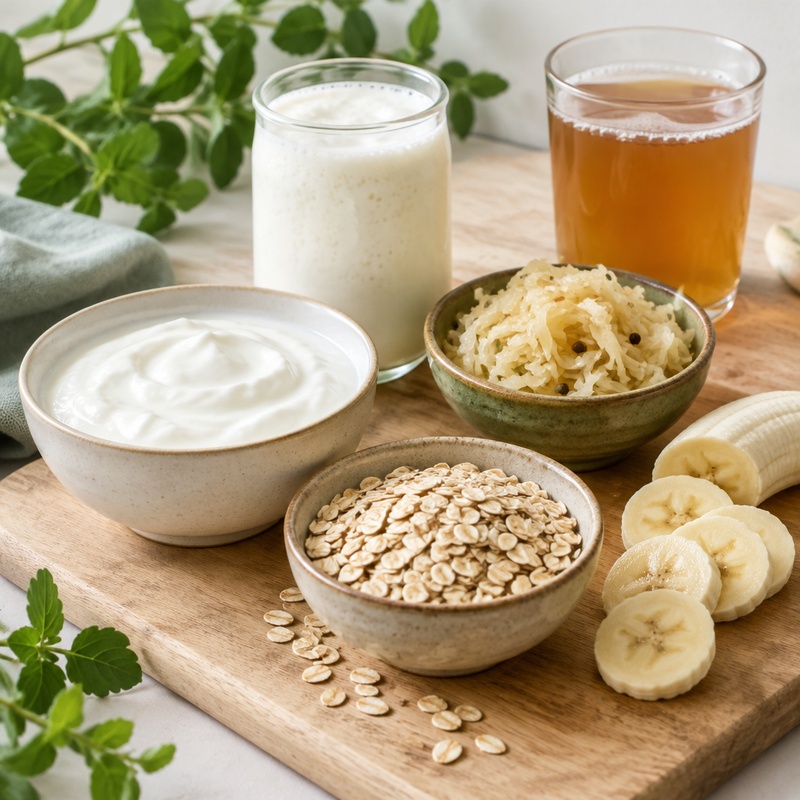
When discussing metabolic wellness, health discussions frequently revolve around energy intake, macronutrient ratios, or physical activity routines. However, deep within the lower digestive tract lies an intricate metabolic engine that profoundly influences how our bodies utilize energy, regulate appetite pathways, and support systemic physiological equilibrium: the gut microbiome. Through an ancient biological process known as microbial fermentation, trillions of resident microorganisms ferment complex, non-digestible carbohydrates, generating vital biochemical signaling molecules known as short-chain fatty acids (SCFAs).
When discussing metabolic wellness, health discussions frequently revolve around energy intake, macronutrient ratios, or physical activity routines. However, deep within the lower digestive tract lies an intricate metabolic engine that profoundly influences how our bodies utilize energy, regulate appetite pathways, and support systemic physiological equilibrium: the gut microbiome. Through an ancient biological process known as microbial fermentation, trillions of resident microorganisms ferment complex, non-digestible carbohydrates, generating vital biochemical signaling molecules known as short-chain fatty acids (SCFAs).
Far from being simple metabolic waste byproducts, SCFAs—principally acetate, propionate, and butyrate—serve as key metabolic messengers. These bacterial metabolites interact directly with intestinal epithelial cells, liver tissue, immune networks, and central neural pathways. In doing so, they assist in modulating gut barrier integrity, satiety hormone release, and cellular energy handling. In this clinical guide, we explore the science of gut microbial fermentation, detail how short-chain fatty acids communicate with host tissues through specialized receptors, identify primary dietary fiber sources that feed SCFA production, and discuss evidence-aligned strategies for supporting your metabolic ecosystem under clinical supervision.
Understanding Gut Fermentation: The Microscopic Metabolic Engine
The human upper gastrointestinal tract produces specific enzymes to digest simple sugars, proteins, and dietary fats. However, human digestive enzymes lack the capacity to break down complex structural plant carbohydrates, such as non-starch polysaccharides, resistant starches, and prebiotic oligosaccharides. Consequently, these plant components pass largely intact through the stomach and small intestine, reaching the cecum and colon where a dense population of specialized microorganisms resides.
What Happens in the Colon?
In the oxygen-deprived (anaerobic) lumen of the large intestine, specialized bacteria utilize elaborate enzymatic systems to hydrolyze complex carbohydrate bonds. This enzymatic fermentation breaks down multi-unit plant polymers into simple monomeric sugars, which gut bacteria subsequently metabolize for their own growth and maintenance. As an end product of this bacterial energy generation, gut microbes secrete hundreds of millimoles of short-chain fatty acids into the colonic environment each day.
The Transformation of Non-Digestible Carbohydrates
Microbial fermentation relies on an interconnected microbial food web known as metabolic cross-feeding. Primary fermenters, such as species from the Bacteroidetes and Bifidobacterium phyla, initially cleave large polysaccharide chains into smaller oligosaccharides and intermediate organic acids (like lactate and succinate). Secondary fermenters then convert these intermediate products into primary SCFAs. This collaborative microbial cascade transforms dietary fiber into bioactive molecules that diffuse across the intestinal lumen, supplying energy locally and signaling to distant organ systems.
The Big Three: Acetate, Propionate, and Butyrate Explained
Although gut microbes produce minor concentrations of other organic acids—such as valerate, isobutyrate, and isovalerate—three primary short-chain fatty acids comprise over 95% of total colonic SCFA content. Each molecule possesses distinct chemical characteristics, metabolic fates, and systemic signaling roles within human physiology.
Acetate: The Abundant Systemic Messenger
Acetate is a two-carbon fatty acid representing approximately 60% of total colonic SCFA production. Owing to its small molecular size and high solubility, acetate readily crosses the intestinal mucosa into the portal bloodstream and passes through hepatic clearance into peripheral circulation. Research indicates that circulating acetate reaches peripheral tissues, including skeletal muscle, adipose tissue, and the brain. In peripheral cells, acetate serves as a substrate for energy production and lipid synthesis, while central nervous system pathways utilize acetate in circuits associated with central appetite regulation.
Propionate: Hepatic Regulation and Glucose Dynamics
Propionate is a three-carbon short-chain fatty acid accounting for roughly 20% of colonic SCFA output. Following absorption into the hepatic portal vein, the vast majority of propionate is extracted by the liver. Scientific investigations suggest that propionate acts as an important substrate for hepatic gluconeogenesis—the endogenously regulated synthesis of glucose—helping maintain steady circulating glucose levels during fasting periods. Additionally, propionate interacts with hepatic signaling pathways to support balanced lipid metabolism and cholesterol homeostasis.
Butyrate: Fueling Colonocytes and Strengthening the Gut Barrier
Butyrate, a four-carbon SCFA comprising about 20% of total SCFAs, plays a vital role in maintaining intestinal mucosal structural integrity. Unlike acetate and propionate, butyrate is primarily consumed locally by colonocytes (the epithelial cells lining the large intestine), providing up to 70% of their total cellular energy requirement. By serving as the preferred metabolic fuel for intestinal epithelial cells, butyrate supports robust cell turnover, oxygen consumption within the gut lumen, and the synthesis of tight-junction proteins (such as claudin and occludin). An intact mucosal barrier helps ensure that essential nutrients enter bloodstream circulation while keeping luminal bacteria and inflammatory triggers contained.
Receptors and Signals: How SCFAs Communicate with Your Body
The metabolic effects of short-chain fatty acids extend beyond local gut cellular nutrition. SCFAs act as systemic signaling ligands by binding to specific G-protein coupled receptors expressed across diverse tissue types throughout the human body.
G-Protein Coupled Receptors (FFAR2 and FFAR3)
Short-chain fatty acids transmit biochemical signals primarily by activating Free Fatty Acid Receptor 2 (FFAR2, also known as GPR43) and Free Fatty Acid Receptor 3 (FFAR3, also known as GPR41). These specialized cell-surface receptors are widely expressed on enteroendocrine L-cells in the gut lining, immune cells, adipocytes, and autonomic nerve terminals. Activation of FFAR2 and FFAR3 initiates intracellular signaling cascades that influence hormone release, cellular energy expenditure, and baseline inflammatory cascades.
Gut-Brain Communication and Satiety Hormones (GLP-1 and PYY)
A primary mechanism by which SCFAs influence metabolic dynamics is by stimulating intestinal hormone release and neural signaling pathways. When colonic acetate, propionate, or butyrate bind to FFAR2 and FFAR3 on enteroendocrine L-cells in the distal ileum and colon, they induce the secretion of key gut peptides:
- Glucagon-Like Peptide-1 (GLP-1): Encourages glucose-dependent pancreatic insulin release, delays gastric emptying rates, and signals feelings of fullness to satiety centers within the hypothalamus.
- Peptide YY (PYY): Acts in coordination with GLP-1 to slow upper gastrointestinal motility, prolong post-meal satiety, and support balanced energy intake throughout the day.
In addition to hormonal pathways, SCFAs interact directly with vagal nerve afferents located in the portal vein and intestinal wall. This dual endocrine and neural communication pathway provides natural, multi-tiered feedback to central nervous system appetite centers, reinforcing balanced eating patterns.
Insulin Sensitivity and Cellular Energy Handling
Beyond intestinal satiety signaling, research indicates that SCFAs support systemic metabolic flexibility. In skeletal muscle and liver tissue, short-chain fatty acids stimulate AMP-activated protein kinase (AMPK)—an intracellular master regulator of energy balance. AMPK activation encourages mitochondrial oxidative capacity and cellular glucose uptake. Simultaneously, SCFA binding to FFAR2 on adipocytes helps regulate lipolysis rates, supporting steady lipid management and healthy adipose tissue signaling.
Dietary Substrates: Feeding Your Microbiome for Optimal SCFA Production
Because intestinal microbes rely on dietary inputs for metabolic substrate, the rate and composition of SCFA production depend directly on nutrient intake patterns. Consuming a broad variety of non-digestible carbohydrates ensures a steady supply of substrate for distinct bacterial species.
Soluble Fibers and Mucilage
Soluble dietary fibers dissolve in intestinal fluids to form a viscous gel matrix. Bacteria such as Bifidobacterium and Bacteroides species ferment these fibers rapidly into acetate and propionate. Major dietary sources include:
- Oats and Barley: Rich in beta-glucans, which support metabolic parameters and balanced SCFA production.
- Legumes (Beans, Lentils, Chickpeas): Abundant in galactooligosaccharides and complex plant proteins.
- Psyllium Husk: A concentrated source of soluble mucilage that aids intestinal regularity and microbial fermentation.
- Flaxseeds and Chia Seeds: Packed with soluble mucilaginous fibers, lignans, and plant-derived omega-3 fatty acids.
Resistant Starch: The Preferred Butyrate Substrate
Resistant starches represent starch molecules that resist digestion by amylase enzymes in the small intestine. Upon reaching the colon, they serve as specialized substrates for butyrate-producing bacteria such as Faecalibacterium prausnitzii and Roseburia species. Principal dietary sources include:
- Cooked and subsequently cooled starches (such as potatoes, rice, and whole grains), which undergo starch retrogradation to form resistant structure.
- Slightly green (unripe) bananas and unrefined green banana flour.
- Whole intact grains, seeds, and legumes.
Incorporating resistant starches systematically into daily meals encourages consistent butyrate production, which directly supports the metabolic vitality of the intestinal lining.
Prebiotic Inulin, Oligosaccharides, and Polyphenols
Prebiotics are selectively fermented ingredients that allow specific changes in the composition and activity of the gastrointestinal microbiota. Inulin-type fructans and fructooligosaccharides (FOS) are naturally concentrated in chicory root, Jerusalem artichokes, garlic, onions, leeks, and asparagus. Furthermore, dietary polyphenols—found in berries, green tea, dark cocoa, and extra virgin olive oil—interact synergistically with gut microbes to support a diverse, resilient gut ecosystem.
Practical Strategies for Nurturing Gut Fermentation
Supporting microbial fermentation through dietary fiber works best when implemented thoughtfully, steadily, and with attention to individual tolerance.
Gradual Dietary Fiber Progression and Hydration
For individuals accustomed to lower fiber intake, rapidly increasing dietary fiber can lead to transient gas, bloating, or abdominal fullness as the gut microbial community adapts to increased substrate availability. Increasing fiber intake gradually—adding 3 to 5 grams per day over several weeks—gives your intestinal microbiota time to adjust. Maintaining generous daily water intake is equally essential, as soluble fiber requires water to form gel structures and move comfortably through the digestive tract.
Emphasizing Diversity Across Plant Categories
Microbial diversity mirrors dietary diversity. Consuming a broad spectrum of plant foods—aiming for 20 to 30 distinct plant items weekly across vegetables, fruits, whole grains, legumes, nuts, seeds, herbs, and spices—exposes your microbiome to varied fermentable structures, encouraging balanced acetate, propionate, and butyrate production.
Lifestyle Considerations and Gut Balance
Beyond dietary inputs, broader lifestyle factors influence gut fermentation capacity. Consistent sleep patterns, effective stress management practices, regular physical activity, and sensible use of medications all contribute to maintaining a favorable intestinal habitat. Chronic physiological stress, for instance, can alter gut motility and mucosal barrier function, influencing how effectively resident microbes ferment dietary substrates.
Navigating Your Metabolic Journey with Clinical Guidance
While supporting gut fermentation through fiber-rich nutrition offers a strong foundational framework for metabolic wellness, individual biological responses vary based on baseline microbiome composition, metabolic health, digestive history, and genetics. What supports one person's digestive dynamics comfortably may require modification for another.
Partnering with a licensed healthcare provider enables thorough health assessment, appropriate diagnostic testing, and tailored guidance matched to your specific metabolic profile. Comprehensive clinical evaluations help clarify how digestive health, metabolic indicators, and lifestyle factors align.
For individuals seeking structured support on their path toward optimal health, exploring evidence-based clinical programs offers clarity and professional medical oversight. Learn how personalized healthcare guidance can assist you by exploring EOS Health Metabolic & Weight Management Programs today.
Short-Chain Fatty Acids (SCFAs)
Organic fatty acids with fewer than six carbon atoms produced by microbial fermentation of dietary fiber in the colon, primarily comprising acetate, propionate, and butyrate.
Microbial Fermentation
The anaerobic biological process through which colonic microorganisms break down non-digestible plant carbohydrates into metabolic energy and bioactive cellular signaling molecules.
Butyrate
A four-carbon short-chain fatty acid that serves as the primary metabolic energy source for colonocytes and plays a critical role in supporting mucosal barrier integrity.
G-Protein Coupled Receptors (FFAR2 / FFAR3)
Cell-surface receptors (Free Fatty Acid Receptors 2 and 3) activated by short-chain fatty acids to stimulate gut hormone release, immune balance, and metabolic regulation.
Resistant Starch
A form of dietary starch that resists enzymatic breakdown in the upper digestive tract and undergoes bacterial fermentation in the colon, selectively promoting butyrate synthesis.
GLP-1 (Glucagon-Like Peptide-1)
An intestinal incretin peptide secreted by L-cells in response to SCFA receptor binding, which encourages glucose-dependent insulin release and promotes feelings of satiety.
Sources
faq
Common questions, answered.
What are short-chain fatty acids (SCFAs)?
Short-chain fatty acids are bioactive fatty acids containing two to six carbon atoms. They are produced when resident colonic bacteria ferment non-digestible dietary fibers and complex carbohydrates in the large intestine. The three primary SCFAs are acetate, propionate, and butyrate.
How do short-chain fatty acids support appetite regulation and satiety?
SCFAs bind to specialized cell-surface receptors (FFAR2 and FFAR3) on enteroendocrine cells in the colon. This binding stimulates the release of gut peptides such as GLP-1 and PYY, which transmit fullness signals to the brain and help regulate gastric emptying rates naturally.
What are the primary functional differences between acetate, propionate, and butyrate?
Acetate enters peripheral circulation to serve as an energy substrate for tissues throughout the body. Propionate travels to the liver, where it aids in hepatic glucose regulation and lipid metabolism. Butyrate acts locally as the primary fuel source for colon epithelial cells, helping maintain intestinal barrier function.
Which specific dietary sources best support SCFA production in the gut?
Foods rich in fermentable soluble fibers, resistant starches, and prebiotics offer excellent substrates for SCFA-producing bacteria. Examples include oats, legumes, cooked and cooled potatoes, green bananas, garlic, onions, chicory root, chia seeds, and berries.
Can oral short-chain fatty acid supplements replace dietary fiber?
While oral SCFA supplements are available, consuming a diverse array of whole plant foods remains the most effective strategy. Whole foods provide complex fiber matrices along with essential micronutrients, minerals, and polyphenols that work synergistically with gut microbes.
How quickly can dietary adjustments change gut SCFA concentrations?
Clinical observations indicate that changes in dietary fiber intake can alter gut microbial activity and SCFA generation within a few days. However, building a resilient, highly diverse gut microbial ecosystem requires consistent fiber intake over several weeks and months.
Why do some high-fiber foods cause temporary gas or bloating?
When gut microbes ferment newly introduced complex carbohydrates, hydrogen, carbon dioxide, and methane gases are produced as natural metabolic byproducts. Gradually increasing fiber intake over time and drinking plenty of water allows the microbiome to adapt smoothly.
How does gut SCFA production connect with blood glucose stability?
Short-chain fatty acids stimulate GLP-1 secretion, support cellular insulin sensitivity via AMPK activation, and help regulate liver glucose production. Studies suggest that robust SCFA production supports healthy post-meal glucose patterns as part of balanced nutrition.
Should I consult a healthcare provider before making significant dietary changes?
Yes. Consulting a licensed healthcare clinician or registered dietitian ensures that dietary modifications are safe, evidence-aligned, and tailored to your individual health background, particularly if you have digestive sensitivities or metabolic conditions.
Ready to feel like yourself again.™
Start free consultationwhat are you waiting for?
You're one click away from a new you.
Fill out our brief form and a licensed physician will evaluate which treatment plan is best for you.