Slow Cooker Meal Prep: Easy Soft Protein Batching for GLP-1
Discover easy slow cooker meal prep strategies for GLP-1 support. Learn soft protein batching recipes, storage tips, and gentle nutrition from EOS Health.
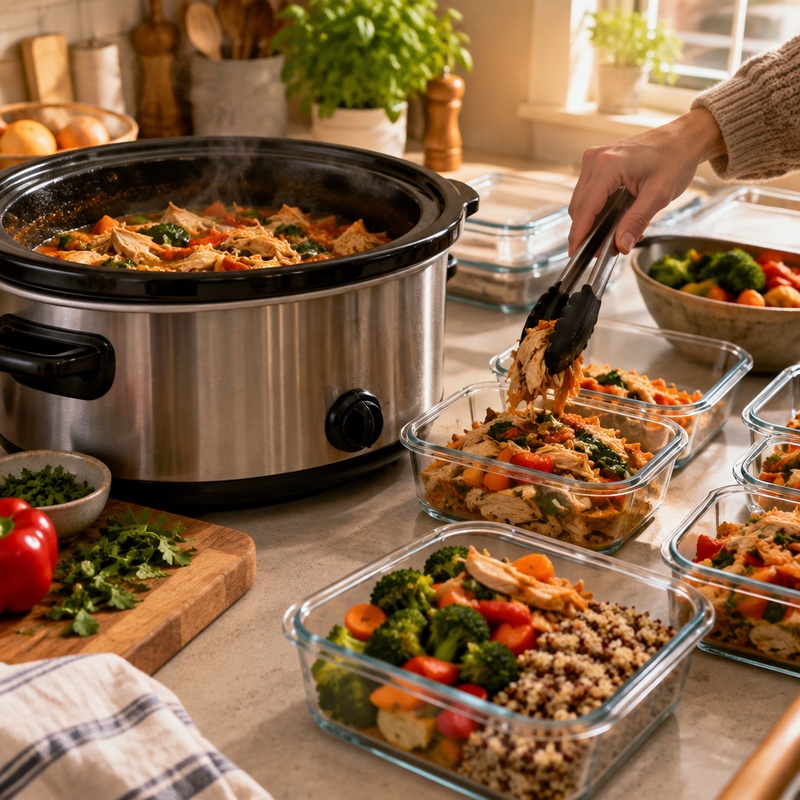
Embarking on a GLP-1 medication journey—whether with semaglutide, tirzepatide, or related peptide therapies—often presents a fundamental shift in how your body experiences hunger, fullness, and digestion. While these therapies offer remarkable metabolic support, the physiological changes they induce can transform daily meal preparation into a delicate balancing act. GLP-1 receptor agonists naturally slow gastric emptying and alter appetite signaling. As a result, dense, dry, or tough foods can remain in the stomach longer than usual, sometimes triggering uncomfortable symptoms such as nausea, early fullness, upper abdominal pressure, or mild indigestion.
Embarking on a GLP-1 medication journey—whether with semaglutide, tirzepatide, or related peptide therapies—often presents a fundamental shift in how your body experiences hunger, fullness, and digestion. While these therapies offer remarkable metabolic support, the physiological changes they induce can transform daily meal preparation into a delicate balancing act. GLP-1 receptor agonists naturally slow gastric emptying and alter appetite signaling. As a result, dense, dry, or tough foods can remain in the stomach longer than usual, sometimes triggering uncomfortable symptoms such as nausea, early fullness, upper abdominal pressure, or mild indigestion.
Among all dietary components, dietary protein is perhaps the most critical—yet frequently the most challenging—macronutrient to consume consistently during weight management. Protein provides essential amino acids needed to maintain lean muscle mass, support immune function, stabilize metabolic rate, and produce key structural enzymes. However, a dry chicken breast or a tough steak can feel almost unpalatable when your stomach is emptying slowly and your appetite is significantly reduced. This is precisely where slow cooker meal prep becomes an indispensable kitchen strategy.
By leveraging gentle, moist, low-temperature cooking over several hours, slow cooking breaks down tough muscle fibers and transforms connective tissue into delicate, gelatinous protein structures. The result is exceptionally tender, moist, and easily digestible protein staples that can be batched into small, manageable portions. In this guide, we explore the biomechanics of soft protein batching, share three clinical-team-approved slow cooker recipes tailored for small GLP-1 meal sizes, and discuss food safety, storage, and reheating practices designed to maintain moisture and ease digestion.
The Science of Soft Protein: Why Slow Cooking Fits GLP-1 Physiology
To understand why slow cooking is so beneficial for individuals taking GLP-1 receptor agonists, it is helpful to look at how gastric motility and protein structure interact within the human digestive tract. When you consume protein, gastric juice containing hydrochloric acid and pepsin begins breaking down long polypeptide chains. Under standard physiological conditions, the stomach churns solid food into a semi-liquid mixture called chyme before passing it into the duodenum at a steady pace.
GLP-1 therapies modulate this process by extending gastric retention time. While this prolonged fullness helps reduce overall caloric intake, it also means that foods requiring heavy mechanical breakdown in the stomach can create discomfort. Dry, roasted, or pan-seared meats often possess dense muscle fibers (actomyosin complexes) bound together by tough collagen networks. If consumed rapidly or without thorough chewing, these dense proteins demand significant gastric churning and stomach acid action, which may lead to feelings of heaviness, delayed bloating, or reflux.
Collagen Hydrolysis and Moisture Retention
Slow cooking resolves this mechanical barrier through a biochemical process known as collagen hydrolysis. Collagen is a fibrous structural protein present in poultry, beef, turkey, and pork. When exposed to dry, high-heat cooking methods like grilling or baking, collagen fibers shrink and squeeze water out of meat, leaving behind a tough, fibrous texture. Conversely, when lean meats or poultry are cooked slowly in a moist environment at temperatures between 180°F and 200°F (82°C to 93°C):
- Collagen Solubilization: Triple-helix collagen molecules gradually unwind and dissolve into soluble gelatin.
- Hydration Retention: Gelatin binds surrounding liquid, forming a soft, moist matrix that coats muscle fibers rather than driving moisture away.
- Reduced Gastric Effort: Gelatinous, tender shreds of protein require minimal gastric mechanical work, allowing the stomach to process smaller volumes with significantly less friction and discomfort.
Furthermore, research suggests that gentle protein structures are hydrolyzed into free amino acids and small peptides more smoothly along the brush border of the small intestine. For someone experiencing reduced appetite, consuming highly digestible, soft protein ensures that every small bite delivers maximal nutritional value with minimal digestive fatigue.
Batch-Prep Staples: 3 Soft Protein Recipes for Small Portions
When preparing meals for GLP-1 support, traditional high-volume prep recipes often miss the mark. Large casserole dishes or heavy, dense roasts can be overwhelming when your body naturally prefers 2 to 4-ounce protein servings. The following three slow cooker staples focus on simple ingredients, high moisture content, gentle aromatics, and versatile batching potential.
1. Tender Shredded Chicken Breast in Mineral Broth
Chicken breast is a premier source of lean protein, but traditional cooking methods frequently leave it dry and rubbery. This low-and-slow broth-steeped method preserves tenderness and infuses hydration.
- Ingredients: 2 lbs boneless, skinless chicken breasts; 2 cups low-sodium chicken bone broth; 1 tbsp olive oil; 1 tsp dried thyme; 1 tsp dried parsley; 1/2 tsp sea salt; 2 peeled whole carrots (for natural sweetness and aromatic flavor).
- Method: Arrange chicken breasts in a single layer at the bottom of the slow cooker. Pour bone broth over the chicken, ensuring pieces are completely submerged. Add olive oil, herbs, salt, and carrots. Cover and cook on LOW for 5 to 6 hours. Remove the chicken, shred gently using two forks—notice how effortlessly the fibers separate—and return the shredded meat to the warm broth for 15 minutes to absorb liquid.
- GLP-1 Portioning Idea: Portion into 2-ounce or 3-ounce glass containers with 2 tablespoons of warm broth. Pair with a spoon of mashed sweet potato or steamed zucchini slices for a soothing, nutrient-dense mini-meal.
2. Citrus and Herb Braised Turkey Thighs
Turkey thighs contain higher levels of myoglobin and natural collagen than breast tissue, yielding an exceptionally tender shredded meat that resists drying out even when reheated.
- Ingredients: 2.5 lbs skinless turkey thighs (boneless or bone-in); 1/2 cup fresh orange juice diluted with 1 cup warm water; 1 cup low-sodium vegetable broth; 2 cloves crushed garlic; 1 tsp dried oregano; 1/2 tsp ground cumin; 1/2 tsp sea salt.
- Method: Place turkey thighs into the slow cooker basin. Whisk orange juice mixture, broth, crushed garlic, and spices together, then pour over the turkey. Cover and cook on LOW for 6 to 7 hours until the meat reaches an internal temperature of 165°F and pulls away effortlessly. Remove bones if applicable, shred the dark meat finely, and mix back into the pan juices.
- GLP-1 Portioning Idea: Serve 2.5 ounces of braised turkey over soft rice or cauliflower puree. The mild citrus acidity adds bright flavor without irritating sensitive stomach linings.
3. Soft Stewed Red Lentils with Gentle Aromatics
For plant-forward nutrition or to diversify fiber sources, red lentils offer a soft, creamy legume option. Unlike whole brown or black beans, split red lentils break down into a smooth porridge-like texture during slow cooking.
- Ingredients: 1.5 cups dry split red lentils (rinsed thoroughly); 4 cups low-sodium vegetable broth; 1 tsp ground turmeric (known for gentle anti-inflammatory properties); 1/2 tsp ground coriander; 1 tsp fresh grated ginger; 1 tbsp olive oil; 1/2 tsp sea salt.
- Method: Combine rinsed lentils, vegetable broth, grated ginger, spices, and olive oil in the slow cooker. Stir well. Cover and cook on LOW for 3.5 to 4 hours. The lentils will soften into a rich, comforting, golden dal consistency.
- GLP-1 Portioning Idea: Spoon 1/2 cup of stewed lentils into a small bowl. Top with a tablespoon of plain Greek yogurt or coconut milk for added creaminess and protein synergy. Because lentils supply soluble fiber, start with modest portions to evaluate individual bowel tolerance.
Portion Control and Meal Assembly for Reduced Appetite
A frequent challenge for individuals starting GLP-1 medications is navigating the mental shift around food volume. Preparing traditional 6 to 8-ounce protein plates often results in uneaten food, waste, and anxiety surrounding meals. Soft protein batching encourages a modular, small-plate approach that respects your body's altered fullness cues.
Designing Modular Small Bowls
Rather than assembling full entrees, think of your meal prep as a collection of compatible building blocks. Storing shredded proteins, soft starches, and steamed vegetables in separate small glass containers allows you to build micro-bowls tailored to your appetite level on any given day.
- Base Layer (1-2 tbsp): Soft mash (sweet potato, butternut squash, or cauliflower puree).
- Protein Center (2-3 oz): Tender slow-cooked chicken, braised turkey, or stewed red lentils.
- Moisture & Flavor (1-2 tbsp): Warm bone broth, gentle pan reduction, or mild olive oil drizzle.
- Soft Vegetable Top (2-3 tbsp): Well-cooked carrots, peeled roasted zucchini, or steamed spinach.
By keeping portion volumes under 1 cup total, you minimize the risk of overfilling the stomach. If you feel comfortably satisfied after half the portion, you can easily cover the container and set it aside without feeling obliged to finish a large plate.
Hydration and Fluid Timing Around Meals
Hydration is critical during weight management, especially when taking GLP-1 medications that lower thirst perception. However, drinking large amounts of liquid directly during meals can increase stomach volume and accelerate early satiety or nausea.
Clinical observations suggest separating fluid intake from solid meals by approximately 20 to 30 minutes. Enjoying your soft protein meal dry or with just a spoon of broth, then sipping water, herbal tea, or electrolyte fluids slowly throughout the day between meals, helps preserve room in the stomach for essential macronutrients while maintaining adequate hydration status.
Storage, Food Safety, and Preserving Moisture During Reheating
Because batch cooking involves preparing food for several days in advance, proper food safety practices and reheating methods are vital. This is especially true when preserving the soft, juicy texture that makes these proteins so tolerable on GLP-1 regimens.
Rapid Cooling and Container Guidelines
After your slow cooker finishes its cycle, avoid leaving cooked meats at room temperature for extended periods. Bacteria proliferate rapidly in the temperature danger zone between 40°F and 140°F (4°C to 60°C).
- Shallow Storage: Transfer shredded meats and broths into small, shallow glass containers (1 to 2-cup capacities) rather than one deep pot. Shallow containers cool down rapidly in the refrigerator.
- Refrigeration Limit: Store cooked poultry and lentils in the refrigerator for up to 3 to 4 days. Label containers with the date of preparation.
- Freezer Pucks: For longer storage, freeze 2-ounce portions of shredded chicken or turkey in silicone muffin molds or small freezer bags alongside a tablespoon of broth. Once frozen, pop them into a freezer-safe zip bag. These "protein pucks" can be thawed individually overnight in the fridge.
Reheating Strategies to Prevent Toughness
Reheating tender proteins improperly can instantly undo the benefits of slow cooking. High-power microwaving rapidly evaporates water, turning delicate chicken fibers into chewy rubber.
To preserve softness when reheating:
- Add Damp Moisture: Always add 1 to 2 tablespoons of low-sodium broth, stock, or water to your container before reheating.
- Cover Closely: Place a glass lid or damp paper towel over the dish to trap steam during heating.
- Use Low Power: Set your microwave to 50% or 60% power and heat in short 30 to 45-second intervals, gently flaking the protein with a fork halfway through.
- Stovetop Simmer: Alternatively, warm the protein in a small skillet over low heat with a splash of broth for 2 to 3 minutes until just heated through (reaching an internal temperature of 165°F).
Navigating Individual Tolerances and Clinical Guidance
Every individual responding to GLP-1 therapy experiences unique metabolic, digestive, and sensory changes. While shredded chicken breast may feel perfectly comforting to one person, another may prefer plant-based red lentils or soft fish. Paying attention to your body's subtle cues—such as when fullness begins or how specific spices sit in your stomach—is key to sustaining consistent nutrition.
It is also essential to evaluate your broader health picture alongside dietary changes. Rapid weight loss can alter lean mass dynamics, electrolyte balance, renal parameters, and blood glucose control. Working closely with qualified healthcare professionals ensures your meal patterns support long-term metabolic vitality.
At EOS Health, our comprehensive telehealth programs combine board-certified clinical oversight, personalized lab interpretation, and tailored lifestyle coaching to help you navigate weight management with confidence and clarity.
Embracing Gentle Nourishment on Your Telehealth Journey
Meal prep does not need to feel rigid, complicated, or burdensome. By embracing slow cooker batching for soft, tender proteins, you empower yourself with convenient, comforting, and nutrient-dense options that align seamlessly with your body's GLP-1 physiological response.
Whether you are seeking guidance on protein requirements, managing digestive side effects, or exploring personalized GLP-1 treatment options under expert clinical supervision, our medical team is here to support every step of your health transformation.
To learn more about our patient-centered weight management options, clinical consultations, and telehealth support, explore our specialized programs at EOS Health Weight Loss Care today.
Gastric Emptying Delay
The physiological slowing of food movement from the stomach into the small intestine, a common mechanism associated with GLP-1 receptor agonist medications that promotes prolonged satiety.
Collagen Hydrolysis
The biochemical process by which insoluble collagen in animal connective tissue is unwound and converted into soluble gelatin through low, moist, long-duration heating, yielding tender, easily digestible meat.
Satiety Signals
Hormonal and neural cues sent from the gastrointestinal tract and brain that signal fullness and regulate appetite control during and after meals.
Soluble Fiber
A type of dietary fiber found in foods like lentils and oats that dissolves in water to form a gel-like substance, aiding digestion and supporting steady nutrient absorption.
Bioavailability
The proportion of a nutrient—such as amino acids from dietary protein—that is successfully digested, absorbed, and utilized by the body for biological functions.
Sources
faq
Common questions, answered.
Why do dry or tough proteins feel difficult to digest on GLP-1 medications?
GLP-1 receptor agonists naturally slow gastric emptying, meaning food remains in the stomach for longer periods. Dense or dry meats require significant mechanical churning and heavy stomach acid secretion to break down. When gastric motility is delayed, dry proteins can cause feelings of heavy fullness, early satiety, or mild nausea. Slow-cooked soft proteins are already partially broken down into delicate fibers, making them far easier for the stomach to process smoothly.
How much protein should I aim for in a single slow-cooked meal portion?
Portion sizes vary based on individual metabolic needs, lean body mass goals, and clinical recommendations. However, because appetite is significantly reduced on GLP-1 therapy, many individuals find that 2 to 3 ounces of soft protein per meal (delivering roughly 15 to 22 grams of protein) is manageable without triggering stomach fullness or discomfort. Consulting your clinician or clinical dietitian helps establish ideal personal targets.
Can I put frozen chicken or turkey breasts directly into the slow cooker?
Food safety guidelines from the USDA recommend thawing frozen poultry completely in the refrigerator before placing it into a slow cooker. Placing frozen meat directly into a slow cooker can prolong the time it spends in the food temperature "danger zone" (40°F to 140°F), allowing bacteria to proliferate before the cooker reaches safe heating temperatures.
How long can batch-cooked soft proteins be stored safely in the refrigerator?
Once cooked and cooled, slow-cooked shredded chicken, braised turkey, or stewed lentils should be stored in airtight glass containers in the refrigerator and consumed within 3 to 4 days. If you prep larger batches, portion the excess into single-serve freezer-safe containers and freeze for up to 2 to 3 months.
What is the best way to reheat shredded protein without making it tough?
To maintain tenderness when reheating, always add 1 to 2 tablespoons of bone broth or water to the container, cover with a damp paper towel or lid to trap steam, and microwave at 50% power in short intervals. Warming gently in a small skillet on the stovetop over low heat with a splash of broth is also an excellent texture-preserving option.
Are stewed plant-based proteins like red lentils good options for GLP-1 meal prep?
Yes, split red lentils are fantastic for GLP-1 meal prep because they break down into a smooth, creamy texture during slow cooking. They provide both plant-based protein and gentle soluble fiber. Because legumes contain fiber and complex carbohydrates, introduce them in small 1/4 to 1/2 cup portions to evaluate individual bowel tolerance and comfort.
How can I help reduce reflux or heartburn when eating slow-cooked meals?
To reduce the likelihood of acid reflux, keep cooking spices gentle (avoiding excessive hot peppers, heavy onion powder, or highly acidic tomato pastes if sensitive), eat small portions slowly, avoid drinking large volumes of fluid during the meal, and remain upright for at least 30 to 60 minutes after eating.
Should I drink water or fluids while eating my meal-prepped soft protein portions?
It is generally helpful to separate large fluid volumes from solid meals by 20 to 30 minutes when taking GLP-1 medications. Drinking large amounts of liquid while eating can fill the stomach rapidly, leading to premature fullness or bloating. Sipping fluids gradually between meals ensures optimal hydration without crowding out room for protein.
Ready to feel like yourself again.™
Start free consultationwhat are you waiting for?
You're one click away from a new you.
Fill out our brief form and a licensed physician will evaluate which treatment plan is best for you.