Smoothies on GLP-1 Medications: Liquid Meals That Work
Learn how to build balanced, nourishing smoothies on GLP-1 medications. Discover protein bases, gentle ingredients, and smart portioning for daily support.
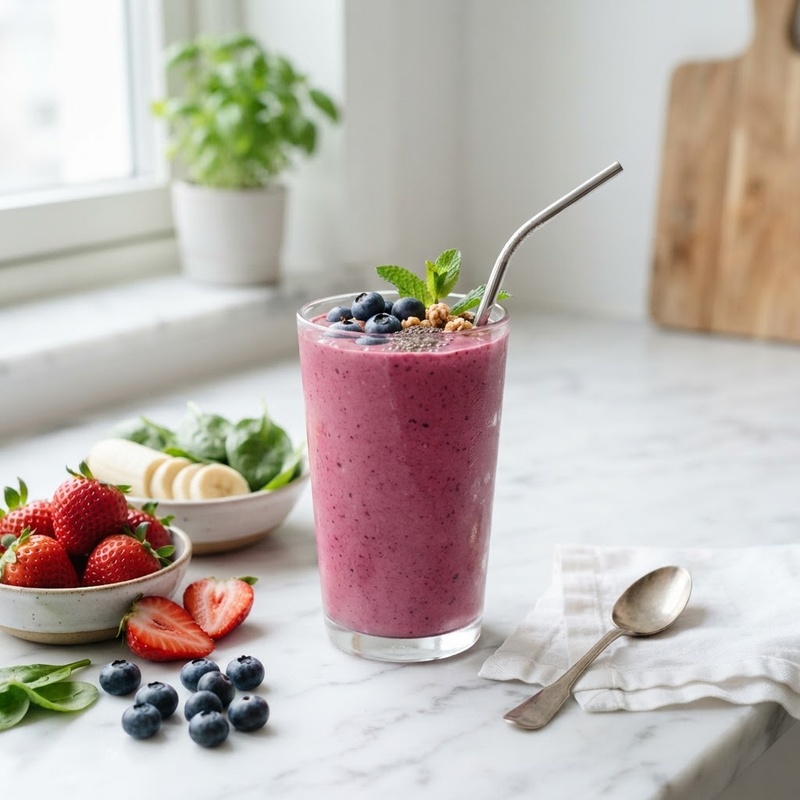
Embarking on a GLP-1 medication journey for weight management often brings significant physiological shifts. Glucagon-like peptide-1 (GLP-1) receptor agonists—including medications such as semaglutide and tirzepatide—work primarily by mimicking endogenous satiety hormones, enhancing insulin response, and slowing gastric emptying. While these actions support appetite regulation and energy balance, they can also transform your day-to-day relationship with solid foods. Many individuals experience reduced appetite, early satiety, or occasional mild nausea, particularly during dose titration phases. On days when sitting down to a heavy solid meal feels unappealing, liquid nutrition in the form of thoughtfully crafted smoothies can offer a gentle, highly digestible, and nutrient-dense alternative.
Embarking on a GLP-1 medication journey for weight management often brings significant physiological shifts. Glucagon-like peptide-1 (GLP-1) receptor agonists—including medications such as semaglutide and tirzepatide—work primarily by mimicking endogenous satiety hormones, enhancing insulin response, and slowing gastric emptying. While these actions support appetite regulation and energy balance, they can also transform your day-to-day relationship with solid foods. Many individuals experience reduced appetite, early satiety, or occasional mild nausea, particularly during dose titration phases. On days when sitting down to a heavy solid meal feels unappealing, liquid nutrition in the form of thoughtfully crafted smoothies can offer a gentle, highly digestible, and nutrient-dense alternative.
Smoothies are far more than convenient beverages; when constructed with physiological intent, they function as full, balanced liquid meals. However, transitioning to liquid nutrition while taking GLP-1 medications requires a deliberate approach. Blending fruits and vegetables changes their physical texture, which can alter how quickly nutrients absorb if the recipe is not carefully balanced with adequate protein, fiber, and healthy fats. In this comprehensive guide, the EOS Health Clinical Team explores how to design smoothies that honor GLP-1 biology, support lean muscle maintenance, ease gastrointestinal sensitivity, and fit seamlessly into a long-term wellness strategy.
Understanding GLP-1 Physiology and Why Liquid Meals Help
To understand why smoothies can be uniquely beneficial during GLP-1 therapy, it helps to review how these medications interact with the digestive system. GLP-1 receptor agonists extend the time food remains in the stomach. This delayed gastric emptying helps maintain steady post-meal satiety, but it also means that high-volume or heavy, greasy meals can lead to feelings of overfulness, bloating, or indigestion. When solid meals feel overwhelming, liquid meals offer several distinct physiological benefits:
- Easier Mechanical Digestion: Blending pre-masticates food, reducing the mechanical burden on the stomach while keeping essential vitamins, minerals, and dietary fibers intact for biological uptake.
- Enhanced Hydration Support: Hydration is critical on GLP-1 therapy. Smoothies provide fluids along with essential electrolytes like potassium and magnesium to support fluid balance.
- Flexible Nutrient Density: Liquid meals allow you to incorporate concentrated protein sources and micronutrients in manageable volumes without forcing large plate portions when appetite is low.
- Gentle GI Tolerability: Cold or room-temperature liquids combined with soothing ingredients like ginger or mint can calm an upset stomach while still delivering necessary daily calories.
It is important to remember that individual responses to GLP-1 medications vary. While some people thrive with one smoothie meal replacement per day, others use smaller 6-to-8-ounce smoothies as high-protein snacks between light solid meals. Working alongside a licensed healthcare professional or registered dietitian ensures your overall daily calorie and macronutrient intakes align with your personalized clinical plan.
Building a Protein-First Smoothie Foundation
When weight loss occurs, the body draws energy from both adipose (fat) tissue and lean muscle mass. Preserving lean muscle tissue is crucial for maintaining resting metabolic rate, functional physical strength, and overall vitality. Dietary protein provides the essential amino acid building blocks required to protect muscle structure during calorie deficit states. Therefore, every smoothie designed for GLP-1 support should start with a robust, bioavailable protein foundation.
Selecting High-Quality Protein Bases
Aim for approximately 20 to 30 grams of protein per smoothie serving, depending on your individual daily targets as recommended by your healthcare provider. Excellent protein sources include:
- Whey Protein Isolate: Highly bioavailable and fast-absorbing, whey isolate contains minimal lactose, making it significantly easier on sensitive stomachs than traditional whey concentrate.
- Pea and Plant-Based Protein Blends: Plant proteins combining pea, brown rice, or pumpkin seed protein offer complete amino acid profiles and are naturally dairy-free and hypoallergenic.
- Plain Unsweetened Greek Yogurt or Icelandic Skyr: Packed with protein and naturally occurring probiotics, these cultured dairy options add a creamy texture while nurturing beneficial gut microbes.
- Ultra-Filtered Milk or Soy Milk: Ultra-filtered dairy milks contain higher protein content with lower natural sugars, while soy milk provides high-quality plant protein as a smooth liquid base.
When selecting commercial protein powders, opt for products with minimal added sugars, artificial sweeteners, or excess fillers. Unflavored or naturally vanilla-flavored options allow you to customize taste without introducing overwhelming sweetness, which can sometimes trigger mild nausea for GLP-1 users.
Smart Fiber Integration and Carbohydrate Balance
Fiber plays a central role in metabolic health, digestive regularity, and glycemic management. On GLP-1 medications, GI motility is naturally slowed, making adequate fiber and fluid intake crucial for avoiding sluggish digestion or constipation. However, adding too much dense fiber too quickly can cause temporary gas or abdominal distension. The key is balance and gradual incorporation.
Balancing Soluble and Insoluble Fiber
Soluble fiber absorbs water and forms a gentle gel-like substance in the digestive tract, which supports smooth transit and consistent satiety. Insoluble fiber adds gentle bulk. Incorporating both forms into your smoothie yields optimal digestive comfort:
- Chia Seeds and Ground Flaxseeds: Rich in soluble fiber and anti-inflammatory omega-3 fatty acids. Soaking chia seeds in liquid for 5 minutes before blending creates a smooth texture that is very gentle on the stomach.
- Leafy Greens (Spinach and Baby Kale): Baby spinach blends down seamlessly with virtually no taste, providing folate, iron, and fiber without heavy digestive bulk.
- Low-Glycemic Berries: Frozen blueberries, raspberries, and blackberries offer rich antioxidants and dietary fiber while keeping glycemic response steady.
- Rolled Oats: A quarter cup of rolled oats adds complex carbohydrates and beta-glucan fiber, creating a sustained energy curve ideal for morning liquid meals.
To maintain stable glucose levels, limit high-sugar juice bases such as sweetened apple or orange juice. Instead, use unsweetened almond milk, coconut water, or plain water as your liquid base, letting whole fruits provide natural sweetness in moderation.
Gentle Ingredients for GI Comfort and Nausea Management
Nausea is one of the most frequently reported side effects during GLP-1 initiation or dosage escalation. Fortunately, specific dietary ingredients possess natural calming properties for the digestive tract. Including these functional items in your smoothies can make daily nutrition far more comfortable and sustainable.
Key Soothing Additions
- Fresh Ginger: Contains bioactive gingerols that studies suggest help ease gastric discomfort and reduce feelings of nausea. A small half-inch piece of peeled fresh ginger adds a bright, zesty flavor profile.
- Fresh Mint Leaves: Peppermint contains aromatic compounds that relax gastrointestinal smooth muscle, helping reduce mild bloating and abdominal tightness.
- Avocado: A quarter of a ripe avocado supplies heart-healthy monounsaturated fats, potassium, and a velvety rich texture without relying on heavy dairy creams.
- Frozen Banana Slices: Bananas provide potassium and gentle, easily digestible carbohydrates that buffer stomach acid, though keeping portions to half a banana helps control overall sugar content.
- Papaya or Pineapple: Rich in natural digestive enzymes (papain and bromelain) that assist in breaking down dietary proteins for smoother digestion.
Temperature also plays a role in stomach comfort. While ice-cold beverages are refreshing for some, ice-cold liquids can occasionally trigger stomach cramps in sensitive individuals. Experiment with slightly cool or room-temperature liquid bases to find what your body prefers during your medication routine.
Portion Control, Sip Timing, and Hydration Sense
One common pitfall when drinking smoothies on GLP-1 therapy is consuming them too rapidly. Because liquids bypass the mechanical chewing process, it is easy to drink a 16-to-24-ounce smoothie in just a few minutes. However, because GLP-1 medications delay stomach emptying, pouring a large volume of liquid into the stomach quickly can lead to sudden, uncomfortable fullness or nausea.
Best Practices for Enjoying Liquid Meals
- Keep Portion Sizes Moderate: Aim for a total smoothie volume of 8 to 12 ounces per meal session. If you need additional calories or protein, space them out into two smaller servings rather than one massive vessel.
- Sip Slowly Over 20 to 30 Minutes: Treat your smoothie as a relaxed meal, not a quick beverage. Sipping slowly gives your brain and gut stretch receptors time to communicate satiety signals accurately.
- Separate Fluids from Solid Meals: If you are combining a small smoothie with solid foods, consider spacing them 20 to 30 minutes apart to prevent excessive gastric volume.
- Clean Equipment Promptly: Keep your blender containers clean and dry to ensure food safety, especially when using protein powders and fresh dairy or plant milks.
Sample Smoothie Formulations for GLP-1 Support
Here are three practical, clinician-approved smoothie recipes tailored specifically for common needs during GLP-1 treatment:
1. The Gentle Morning Reset
Designed for mornings when appetite is low or light nausea is present. Provides easy-to-digest protein with natural ginger soothing.
- 1 cup unsweetened almond milk or coconut water
- 1 scoop unflavored or light vanilla whey isolate or pea protein (approx. 20-25g protein)
- 1/2 cup frozen blueberries
- 1/2 inch piece fresh peeled ginger
- 1 tablespoon ground flaxseed
- 1 cup fresh baby spinach
2. The Muscle Support Berry Power Shake
Higher in protein and healthy fats, ideal for an active afternoon or post-workout meal replacement.
- 3/4 cup unsweetened soy milk or ultra-filtered dairy milk
- 1/2 cup plain 0% Greek yogurt
- 1 scoop vanilla plant or whey protein
- 1/2 cup frozen mixed berries
- 1/4 ripe avocado
- 1 tablespoon chia seeds (pre-soaked 5 minutes)
3. The Hydrating Tropical Soother
Focuses on electrolyte replacement and digestive enzymes for warm days or recovery.
- 1 cup coconut water
- 1 scoop plant-based protein powder
- 1/3 cup frozen papaya or pineapple chunks
- 1/2 frozen banana
- 4-5 fresh mint leaves
- 1 cup baby spinach
Navigating GLP-1 Treatment Safely with Clinical Support
While proper nutrition through whole foods and balanced smoothies forms a critical foundation for health, prescription GLP-1 medications should always be managed under direct medical supervision. Comprehensive weight management involves personalized dosing schedules, ongoing monitoring of metabolic markers, and professional nutritional guidance tailored to your health history.
If you are exploring medical weight management options or seeking structured guidance for your current regimen, consulting a qualified medical provider is the most effective next step. Prescription GLP-1 therapies require thorough medical evaluation to ensure clinical appropriateness, safety, and proper administration. Furthermore, patients should note that compounded GLP-1 medications are not FDA-approved, making direct clinical evaluation by a licensed provider indispensable when selecting suitable treatment paths.
Take the next step in your health journey with tailored, evidence-informed care. Discover how personalized support can help you achieve sustainable, long-term wellness by visiting EOS Health Weight Loss Support today.
Delayed Gastric Emptying
A physiological process where the stomach empties its contents into the small intestine at a slower rate, prolonged by GLP-1 medications to extend feelings of satiety after eating.
GLP-1 Receptor Agonist
A class of prescription medications that mimic the natural hormone glucagon-like peptide-1, supporting blood sugar regulation, appetite control, and weight management under medical supervision.
Bioavailability
The rate and extent to which a nutrient or active substance is absorbed by the body and becomes available at the intended site of physiological action.
Soluble Fiber
A type of dietary fiber that dissolves in water to form a gel-like substance, helping to slow digestion, stabilize blood sugar levels, and nourish beneficial gut bacteria.
Satiety Signal
Hormonal and neural cues transmitted from the gastrointestinal tract and adipose tissue to the brain indicating that the body has received sufficient nourishment.
Sources
faq
Common questions, answered.
Are smoothies a suitable meal replacement on GLP-1 medications?
Yes, smoothies can serve as an effective liquid meal replacement on GLP-1 therapy when properly balanced with adequate protein, healthy fats, and fiber. However, because liquid meals pass through the stomach differently than solid foods, it is important to sip them slowly and keep portion sizes manageable to prevent overfulness.
How much protein should I put in my GLP-1 smoothie?
Most clinical guidelines suggest aiming for 20 to 30 grams of high-quality protein per smoothie meal serving. Preserving lean muscle tissue during weight management is vital, and consistent protein intake throughout the day supports muscle maintenance and steady satiety curves.
Why do I feel overly full after drinking a small smoothie on semaglutide?
GLP-1 medications slow gastric emptying, meaning liquids and solids stay in the stomach longer. Drinking a smoothie too fast can fill the stomach before satiety signals register. Drinking smaller portions (8 to 12 ounces) and sipping over 20 to 30 minutes usually resolves this sensation.
What smoothie ingredients can help reduce GLP-1 related nausea?
Fresh ginger, peppermint leaves, coconut water, and small amounts of banana or papaya are known for soothing the digestive tract. Incorporating these ingredients while avoiding high-fat or high-sugar liquid bases can significantly improve digestive comfort.
Is plant-based protein or whey protein better for GLP-1 smoothies?
Both options work exceptionally well. Whey protein isolate is highly digestible and virtually lactose-free, while plant-based blends (pea, rice, pumpkin seed) are ideal for dairy sensitivities. Choose the option that agrees best with your personal digestion and taste preferences.
Can drinking smoothies cause blood sugar spikes while on GLP-1 treatment?
Smoothies made primarily with fruit juice or sweetened syrups can trigger rapid blood sugar fluctuations. To maintain steady glycemic control, use unsweetened liquid bases (like almond milk or coconut water), include low-glycemic berries, and always add protein and fiber.
Are compounded GLP-1 medications FDA-approved?
No, compounded GLP-1 medications are not FDA-approved. Patients considering GLP-1 therapy should undergo medical evaluation by a licensed healthcare provider to discuss prescription options, regulatory safety standards, and individual suitability.
How often should I consume liquid meals versus solid foods on GLP-1 therapy?
Most individuals use smoothies as a once-daily meal replacement or snack, relying on whole, solid foods for their remaining daily meals. Variety in texture promotes healthy chewing habits and long-term nutritional compliance. Consult your provider or dietitian for a routine tailored to your goals.
Ready to feel like yourself again.™
Start free consultationwhat are you waiting for?
You're one click away from a new you.
Fill out our brief form and a licensed physician will evaluate which treatment plan is best for you.