Soups and Broths on GLP-1: Comfort in a Bowl
Discover how soups and broths on GLP-1 medication deliver essential hydration, lean protein, and gentle digestion. Explore simple recipes and meal prep tips.
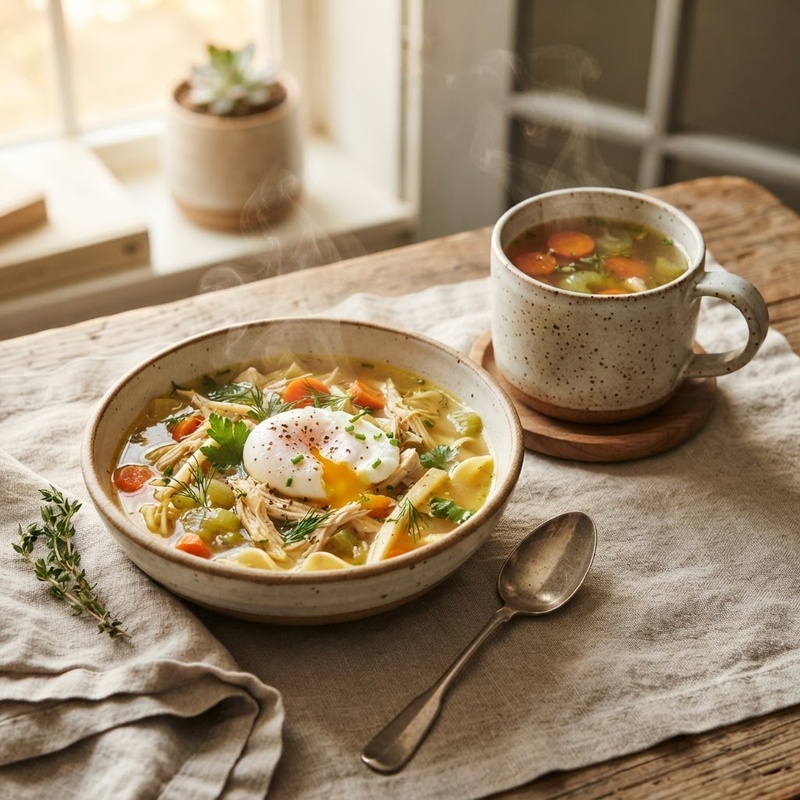
Starting a weight management journey supported by GLP-1 receptor agonist medications often brings significant shifts in appetite, digestion, and daily eating patterns. These therapeutic agents, including semaglutide and tirzepatide, work by mimicking natural incretin hormones in the body. Research indicates that GLP-1 medications help regulate blood sugar levels, signal fullness to the brain, and slow down gastric emptying. While these physiological changes assist many individuals in achieving their health goals, they also mean that traditional meal portions and heavy foods can sometimes feel overwhelming to digest.
Starting a weight management journey supported by GLP-1 receptor agonist medications often brings significant shifts in appetite, digestion, and daily eating patterns. These therapeutic agents, including semaglutide and tirzepatide, work by mimicking natural incretin hormones in the body. Research indicates that GLP-1 medications help regulate blood sugar levels, signal fullness to the brain, and slow down gastric emptying. While these physiological changes assist many individuals in achieving their health goals, they also mean that traditional meal portions and heavy foods can sometimes feel overwhelming to digest.
Why Soups and Broths Excel on GLP-1 Therapy
Navigating nutritional needs during GLP-1 treatment requires balancing smaller overall food volumes with elevated nutrient density. Warm broths and vegetable-rich soups provide a unique structural advantage because they combine essential fluids and bioavailable nutrients in a single dish.
Dual Benefit: Hydration and Concentrated Nutrients
One common challenge reported by patients starting GLP-1 medications is maintaining sufficient fluid intake. Because food intake naturally decreases, the body receives less water from solid foods. Additionally, mild nausea or altered taste preferences can make chugging plain water unappealing throughout the day. Bone broths, vegetable stocks, and light soups provide a flavorful alternative that delivers vital hydration alongside essential electrolytes like sodium, potassium, and magnesium.
Simultaneously, simmering lean meats, poultry, legumes, and colorful vegetables extracts valuable vitamins and minerals into the liquid base. This means every spoonful supplies necessary micronutrients in a form that requires minimal breakdown by the stomach. Clinical observations suggest that liquid nourishment can pass through the digestive system with less mechanical strain, making it an excellent option when experiencing early satiety.
Managing Reduced Appetite Without Micronutrient Deficits
With delayed gastric emptying, high-fat or heavily textured foods can sit in the stomach for extended periods, potentially triggering feelings of excessive fullness, bloating, or mild nausea. Soups offer flexible texture modification. From silky smooth purees to clear, simmering broths, soup allows individuals to adjust meal density according to how their stomach feels on any given day.
Furthermore, sipping warm liquids encourages mindful, slow eating. Taking small, warm spoonfuls gives the digestive system time to respond, helping individuals honor satiety signals without feeling uncomfortable or overstuffed. This gentle approach supports long-term dietary consistency while safeguarding against accidental nutrient deficiencies.
Building High-Protein, Nutrient-Dense Soups
While broth alone is soothing, transforming soup into a complete, balanced meal requires intentional ingredient selection. Preserving lean muscle tissue during weight management is a primary clinical priority, which makes consistent protein distribution throughout the day essential.
Selecting Quality Protein Bases
To maximize the nutritional yield of a modest soup serving, focus on incorporating lean, highly digestible protein sources. Excellent protein foundations include:
- Bone Broth: Simmered poultry or beef bone broths naturally contain collagen peptides and gelatin, offering 6 to 10 grams of protein per cup alongside joint-supporting amino acids.
- Shredded Lean Poultry: Skinless chicken breast or turkey tenderloin absorbs broth flavors well and breaks down into tender, easy-to-chew pieces.
- Silken Tofu and Edamame: Plant-based options like silken tofu blend seamlessly into pureed soups, adding a creamy texture and complete plant protein without added saturated fats.
- Legumes and Pulse Crops: Red lentils, white cannibal beans, and chickpeas add subtle texture, protein, and valuable soluble fiber.
- Unflavored Collagen Peptides or Whey Isolate: Stirring unflavored protein powder into warm (not boiling) broths can boost protein density for those struggling with solid food intake.
Incorporating Non-Starchy Vegetables and Soluble Fiber
Vegetables supply vital antioxidants, vitamins, and dietary fiber that support healthy bowel regularity—an important consideration on GLP-1 medications. Opt for non-starchy vegetables that soften easily when simmered:
- Zucchini, yellow squash, and carrots provide sweet, mild flavor and smooth textures when blended.
- Leafy greens such as spinach, baby kale, and Swiss chard wilt down quickly, offering folate, iron, and vitamin K.
- Cruciferous vegetables like cauliflower and broccoli can be steamed until soft and pureed to create rich, velvety soup bases without heavy cream.
Soluble fiber from oats, barley, or soft root vegetables helps regulate digestion and feeds beneficial gut microbes, promoting overall gastrointestinal comfort.
Healthy Fats for Satiety and Nutrient Absorption
Fat plays a crucial role in nutrient absorption, particularly for fat-soluble vitamins A, D, E, and K. However, because excessive fat can slow gastric emptying further and provoke reflux, healthy fats should be included in moderate, controlled amounts. A small drizzle of extra virgin olive oil, a sprinkle of hemp seeds, or a small portion of pureed avocado adds flavor, silky mouthfeel, and essential fatty acids without overloading the digestive tract.
Four Nourishing Soup Recipes for GLP-1 Meal Support
These four simple, versatile recipes are specially tailored for small appetites, offering high protein density, soothing flavors, and easy digestible structures.
Recipe 1: High-Protein Golden Chicken & Bone Broth Stew
This classic, heartwarming stew relies on rich chicken bone broth, aromatic root vegetables, and shredded chicken breast for maximum comforting nutrition.
- Ingredients: 4 cups low-sodium chicken bone broth, 1 cup cooked shredded chicken breast, 2 diced carrots, 2 stalks diced celery, 1 small yellow onion (minced), 1 tsp olive oil, 1 bay leaf, fresh parsley, salt, and black pepper to taste.
- Preparation: Sauté onions, carrots, and celery in olive oil until soft. Add chicken bone broth and bay leaf; simmer for 15 minutes. Stir in shredded chicken breast and simmer for an additional 5 minutes. Remove bay leaf, garnish with fresh parsley, and serve warm.
- Nutritional Note: Delivers approximately 25–30 grams of lean protein per 1.5-cup serving with minimal fat, supporting muscle preservation and fluid balance.
Recipe 2: Velvety Creamless Cauliflower & White Bean Soup
By blending tender cauliflower florets with creamy cannellini beans, this soup achieves a decadent, silky texture without using heavy cream or butter.
- Ingredients: 1 head cauliflower (cut into florets), 1 can (15 oz) low-sodium white cannellini beans (rinsed), 4 cups vegetable or chicken broth, 2 cloves minced garlic, 1 tbsp olive oil, 1 tbsp nutritional yeast, sea salt, and lemon juice.
- Preparation: Sauté garlic in olive oil for 1 minute. Add cauliflower florets and broth; bring to a simmer and cook until cauliflower is fork-tender (about 12 minutes). Stir in white beans and nutritional yeast. Use an immersion blender to process until completely smooth. Finish with a squeeze of fresh lemon juice.
- Nutritional Note: Provides rich soluble fiber and plant-based protein in a silky format that feels gentle on a sensitive stomach.
Recipe 3: Ginger Greens & Tofu Miso Broth
Fresh ginger and soothing miso paste create an invigorating, stomach-settling broth that is perfect for days when mild nausea or low energy occurs.
- Ingredients: 4 cups low-sodium vegetable broth or dashi, 1 block (14 oz) soft or silken tofu (cubed), 2 cups fresh baby spinach, 1 tbsp fresh grated ginger, 2 tbsp white miso paste, 1/2 cup shelled edamame, sliced green onions.
- Preparation: Bring vegetable broth and grated ginger to a gentle simmer. Add cubed tofu and edamame; simmer for 3 minutes. Turn off heat, ladle out 1/2 cup warm broth into a small bowl, and whisk in the miso paste until dissolved. Pour miso mixture back into the pot alongside fresh spinach. Stir until spinach wilts. Serve immediately.
- Nutritional Note: Ginger offers natural anti-nausea benefits, while miso supplies beneficial fermented enzymes and tofu provides clean, gentle plant protein.
Recipe 4: Slow-Simmered Beef & Root Vegetable Broth
A deep, savory soup featuring tender lean beef cuts, soft parsnips, and carrots, perfect for cozy meal prep during cooler months.
- Ingredients: 1 lb lean beef stew meat (trimmed of visible fat), 4 cups low-sodium beef bone broth, 1 cup diced carrots, 1 cup diced parsnips, 1 tsp thyme, 1 tbsp tomato paste, salt, and pepper.
- Preparation: Brown beef pieces lightly in a pot. Add tomato paste and herbs, stirring for 1 minute. Pour in beef bone broth and simmer on low for 60 to 90 minutes until beef is extremely tender. Add carrots and parsnips during the final 20 minutes of cooking.
- Nutritional Note: Offers bioavailable iron, zinc, and collagen protein in a slow-cooked format that makes meat easy to chew and digest.
Batch Cooking and Weekly Meal Prep Strategies
Because appetite levels can fluctuate on GLP-1 therapy, having pre-portioned, nutrient-dense soups readily available in the refrigerator or freezer simplifies daily meal decisions and prevents food waste.
Portioning and Freezing for Small Appetites
Standard soup recipes often yield large volumes, which can feel intimidating when eating smaller portions. Adopting strategic meal prep techniques makes batch cooking highly practical:
- Use Small Silicone Molds: Freeze cooked soups in 1-cup or 2-cup silicone freezer blocks. Once frozen, pop the cubes into freezer-safe bags. This allows thawing of exact individual portions without waste.
- Label with Date and Protein Content: Mark containers with the preparation date and estimated protein content per serving to track daily intake easily.
- Store Broth Bases Separately: When prepping soups with whole grains or delicate green vegetables, freeze the concentrated broth base separately and add fresh greens or grains upon reheating to maintain ideal texture.
Reheating and Flavor Boosting Tips
Appetite changes on GLP-1 medications can sometimes alter taste perception, making foods taste blander or overly sweet. Refreshing pre-made soups with simple finishing touches can reignite palate interest:
- Add Bright Acidity: A fresh squeeze of lemon, lime juice, or a dash of apple cider vinegar right before serving cuts through richness and enhances savory flavors.
- Garnish with Fresh Herbs: Chopped parsley, cilantro, dill, or chives add fresh antioxidants and visual warmth to warm bowls.
- Adjust Temperature and Consistency: If a pureed soup feels too thick upon reheating, thin it with a splash of warm bone broth or water to achieve a comfortable drinking consistency.
Navigating Common Digestive Sensitivities with Soups
While GLP-1 medications are generally well-tolerated, managing digestive comfort is an integral part of a successful wellness strategy. Soups can be customized to mitigate common gastrointestinal side effects.
Managing Nausea and Early Satiety
If experiencing mild nausea, particularly after dosage adjustments, light broths can provide soothing relief. Sipping warm liquids slowly between meals—rather than drinking large volumes rapidly during meals—prevents stomach overfilling. Incorporating natural soothing ingredients like fresh ginger, peppermint tea bases, or lemon can calm digestive discomfort.
If early satiety makes finishing a full bowl difficult, split soup intake into two smaller servings spaced 1 to 2 hours apart. Prioritize consuming the protein portions (such as chicken, tofu, or bone broth) first to ensure essential protein targets are met.
Balancing Sodium and Fluid Intakes
Commercially canned soups frequently contain high levels of added sodium and preservatives, which may contribute to fluid retention or elevated blood pressure. When buying store-bought broths or soups, select options labeled "low sodium" or "no salt added." Homemade broths allow complete control over seasoning, enabling use of garlic, herbs, and spices to build depth of flavor while keeping sodium within recommended dietary ranges.
Integrating Nutrient-Dense Soups Into a Broader Wellness Strategy
Incorporating soups and broths into a daily routine offers a practical, comforting solution for meeting hydration, protein, and micronutrient needs on GLP-1 therapy. By focusing on nutrient-dense ingredients, gentle preparation methods, and small, flexible portions, individuals can nourish their bodies effectively while honoring their evolving appetite patterns.
Every clinical journey is unique, and dietary needs vary based on individual health history, medication dosage, and metabolic goals. Medical weight management programs achieve optimal outcomes when combined with personalized clinical support and ongoing professional supervision. If you are exploring medical weight management options or seeking structured guidance tailored to your health goals, consider consulting with a qualified healthcare provider. Learn more about comprehensive clinical care models and personalized weight management programs available through EOS Health Weight Loss Services.
Glossary of Key Terms
GLP-1 Receptor Agonist
A class of medications, such as semaglutide and tirzepatide, that mimic the native GLP-1 gut hormone to regulate appetite, blood glucose levels, and gastric emptying.
Gastric Emptying
The rate at which food leaves the stomach and enters the small intestine for digestion. GLP-1 medications slow this process, prolonging satiety.
Bone Broth
A nutrient-dense liquid made by slow-simmering animal bones and connective tissue, rich in collagen, gelatin, amino acids, and minerals.
Soluble Fiber
A type of dietary fiber that dissolves in water to form a gel-like substance in the digestive tract, supporting healthy digestion and gut microbiome balance.
Satiety
The state or feeling of being completely full and satisfied after eating, which plays a major role in appetite regulation and portion control.
Sources
faq
Common questions, answered.
Are bone broths suitable during GLP-1 therapy?
Yes, bone broths are excellent during GLP-1 therapy. They provide high-quality collagen protein, vital electrolytes, and hydration in a form that is easy on the digestive system, making them ideal when appetite is low.
How much protein should be added to a soup portion?
Aim for roughly 15 to 30 grams of protein per soup serving, depending on individual daily nutritional goals. Combining bone broth with lean chicken, tofu, or legumes helps reach these targets efficiently in smaller portion sizes.
Can soups help reduce GLP-1 related nausea?
Sipping warm, low-fat broths infused with fresh ginger or peppermint can calm the stomach. Keeping portions small and sipping slowly helps prevent stomach distension and supports digestive comfort.
Is it better to eat clear broths or pureed soups on GLP-1?
Both clear broths and pureed soups have unique benefits. Clear broths are great for days with low appetite or nausea, while pureed soups incorporating vegetables and beans offer higher fiber and protein for full meal replacement.
How long can homemade meal-prepped soups be frozen?
Most homemade soups can be safely stored in the freezer for up to 3 months when kept in airtight containers. Thaw frozen portions overnight in the refrigerator before reheating thoroughly.
Should sodium content in canned soups be a concern?
Yes, commercial canned soups can contain excessive sodium. Selecting low-sodium varieties or preparing homemade broths with natural herbs and spices helps maintain optimal cardiovascular and fluid balance.
Can compounded GLP-1 medications alter dietary recommendations?
Dietary recommendations focus on fundamental nutrition principles such as protein, hydration, and fiber regardless of medication formulation. Note that compounded medications are not FDA-approved, and prescription treatments require thorough clinical evaluation by a licensed healthcare provider.
When should someone consult a clinician about nutritional intake on GLP-1?
Individuals should consult their licensed healthcare provider or registered dietitian whenever they experience persistent nausea, severe fatigue, difficulty meeting basic fluid or protein intake, or before changing medication routines.
Ready to feel like yourself again.™
Start free consultationwhat are you waiting for?
You're one click away from a new you.
Fill out our brief form and a licensed physician will evaluate which treatment plan is best for you.