Spreading Protein Across Mini-Meals During GLP-1 Care
Learn how spreading protein across mini-meals during GLP-1 care supports muscle synthesis and manages satiety overload with balanced, small eating windows.
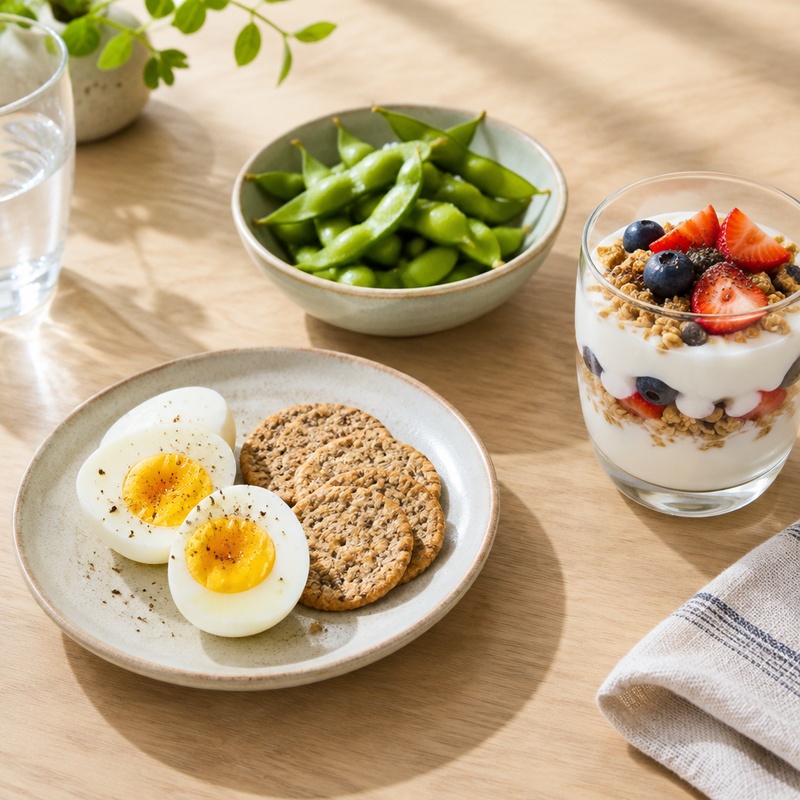
Embarking on a weight management path with GLP-1 receptor agonist care often brings profound shifts in how the body processes food, experiences hunger, and signals fullness. For many individuals, one of the most immediate changes noticed after beginning therapy is a significant reduction in overall appetite and a rapid onset of fullness during meal times. While this shift can be helpful for reducing overall caloric intake, it also presents a practical nutritional puzzle: how to consume adequate essential nutrients—especially high-quality dietary protein—when eating a full-sized traditional meal feels uncomfortable or overwhelming.
Embarking on a weight management path with GLP-1 receptor agonist care often brings profound shifts in how the body processes food, experiences hunger, and signals fullness. For many individuals, one of the most immediate changes noticed after beginning therapy is a significant reduction in overall appetite and a rapid onset of fullness during meal times. While this shift can be helpful for reducing overall caloric intake, it also presents a practical nutritional puzzle: how to consume adequate essential nutrients—especially high-quality dietary protein—when eating a full-sized traditional meal feels uncomfortable or overwhelming.
Dietary protein serves as the fundamental building block for lean muscle mass, enzymatic function, immune health, and structural tissues throughout the body. When overall caloric intake decreases, maintaining adequate protein intake becomes increasingly vital to support lean body mass preservation. However, attempting to consume 30 to 40 grams of protein in a single sit-down dinner can frequently trigger satiety overload, indigestion, or mild nausea for someone navigating the altered gastric dynamics of GLP-1 care. A practical, physiologically aligned solution that research and clinical observations support is spreading total daily protein intake across four to five small eating windows throughout the day.
By restructuring daily eating patterns into smaller, well-spaced mini-meals, individuals can gently meet their nutritional goals without stressing their digestive tract. In this comprehensive guide, we explore the physiological mechanisms behind early satiety, delve into the biochemistry of muscle protein synthesis, discuss optimal protein target ranges per window, and provide adaptable daily meal schedules to help align nutritional intake with your personal health journey.
Understanding Satiety Overload During GLP-1 Medication
To appreciate why mini-meals offer such an effective framework during GLP-1 therapy, it is helpful to look at how glucagon-like peptide-1 receptor agonists interact with the human gastrointestinal system. GLP-1 is a naturally occurring peptide hormone that plays a central role in metabolic regulation, appetite signaling, and glucose homeostasis.
The Physiology of Delayed Gastric Emptying
One of the primary physiological mechanisms of GLP-1 receptor agonists is the slowing of gastric emptying. Under typical conditions, the stomach breaks down ingested food and passes it into the small intestine at a steady rate. Under GLP-1 care, the rate at which food leaves the stomach is noticeably reduced. This prolonged gastric retention maintains a persistent sense of fullness, signaling to the brain's satiety centers that the body is nourished.
While this physiological effect helps reduce spontaneous snacking and overeating, it also means the physical capacity of the stomach at any single moment is functionally reduced. Food remains in the gastric cavity longer, so introducing a large volume of dense food—such as a traditional heavy meal—can quickly lead to mechanical distension of the stomach wall.
Why Large Meals Become Uncomfortable
When individuals attempt to consume traditional meal portions while under GLP-1 care, the delayed stomach emptying can lead to what clinical teams refer to as satiety overload. Symptoms may include a feeling of intense fullness after only a few bites, epigastric discomfort, bloating, belching, or mild nausea. In response to this discomfort, some people may inadvertently stop eating altogether for extended periods, leading to inconsistent nutrient intake and erratic energy levels throughout the day.
Trying to force oneself to finish a large, protein-dense plate in one sitting often works against the body's altered physiology. Rather than struggling through large portions, adapting portion size and eating frequency aligns nutrition with the body's temporary gastric pace.
The Advantage of Smaller, Distributed Eating Windows
Transitioning to four to five mini-meals throughout the day offers a practical alternative to the traditional three-meal model. Smaller eating windows keep the volume of food in the stomach low at any given time, significantly reducing the likelihood of physical discomfort or nausea. Furthermore, distributing food evenly helps avoid long stretches of unintentional fasting during the day, which can sometimes lead to energy dips or sudden evening hunger spikes as gastric emptying eventually clears.
By adopting a mini-meal approach, individuals can maintain a steady stream of vital macronutrients and micronutrients, ensuring that their bodies receive consistent nourishment while honoring their reduced appetite cues.
The Science of Muscle Protein Synthesis and Distribution
While managing gastric comfort is a crucial benefit of mini-meals, the distribution of protein across multiple eating windows offers a profound biochemical advantage: optimizing muscle protein synthesis (MPS).
How Muscle Protein Synthesis Functions
Muscle protein synthesis is the biological process by which the body repairs, maintains, and builds muscle tissue using circulating amino acids derived from digested dietary protein. The body is constantly balancing muscle protein breakdown (MPB) and muscle protein synthesis. To maintain lean body mass during periods of weight loss and lower caloric intake, MPS must be stimulated regularly throughout the day.
Cellular signaling pathways, specifically the mammalian target of rapamycin (mTOR) pathway, monitor intra-cellular amino acid concentrations—particularly essential amino acids like leucine. When circulating amino acid levels rise after a protein-containing meal, mTOR signaling is activated, turning on the molecular machinery for protein synthesis.
Why 15 to 25 Grams Per Mini-Meal Optimizes MPS
Nutritional research indicates that there is a threshold of amino acids required to trigger muscle protein synthesis effectively, often referred to as the leucine trigger. For most adults, consuming approximately 15 to 25 grams of high-quality protein in a single eating window provides sufficient essential amino acids to stimulate MPS efficiently.
Interestingly, consuming excessive protein in a single meal—such as 70 grams at dinner—does not proportionally increase muscle synthesis above what is achieved with a moderate dose. The excess amino acids are largely oxidized for energy or converted to other metabolic compounds. Conversely, consuming very small amounts of protein—such as 3 to 5 grams—may fail to reach the threshold needed to robustly trigger MPS.
Therefore, spreading protein into doses of 15 to 25 grams across four to five mini-meals provides multiple distinct opportunities throughout the day to stimulate muscle protein synthesis, maximizing the efficiency of every gram consumed without overloading gastric capacity.
Preserving Lean Tissue During Weight Management
When body weight decreases, the weight lost typically consists of a combination of adipose tissue and lean body mass, including skeletal muscle. Preserving lean muscle tissue is a primary goal of comprehensive metabolic care because skeletal muscle supports baseline metabolic rate, physical strength, mobility, and long-term metabolic flexibility.
Studies indicate that combining adequate overall protein intake with distributed meal timing helps preserve lean body mass more effectively than skewed protein intake patterns. For individuals on GLP-1 care, preserving lean tissue ensures that weight reduction primarily reflects changes in fat mass while maintaining structural vitality.
Designing Balanced Mini-Meals for GLP-1 Support
Creating effective mini-meals involves more than simply cutting traditional meals in half. A well-constructed mini-meal delivers high nutritional density in a compact volume, pairing high-quality protein with complex carbohydrates, healthy fats, and hydrating elements.
Core Components of a High-Density Mini-Meal
To ensure each mini-meal supports overall wellness, consider organizing each small eating window around three core building blocks:
- Lean Protein Source (15–25g): The anchor of every mini-meal. Excellent choices include Greek yogurt, cottage cheese, eggs, tofu, tempeh, chicken breast, canned tuna, wild salmon, or high-quality protein isolates.
- Complex Carbohydrate & Fiber: Small portions of nutrient-rich carbohydrates provide steady glucose for brain function and cellular energy. Examples include a handful of berries, sliced cucumber, quinoa, oats, or sweet potato bites.
- Healthy Fats: Essential fatty acids slow digestion gently and support fat-soluble vitamin absorption. Examples include a small dash of olive oil, avocado slices, chia seeds, or a light sprinkle of crushed walnuts.
Strategies to Boost Protein Density Without Volume
When appetite is low, volume can be the biggest hurdle. Incorporating protein-dense foods that take up minimal space in the stomach can make reaching protein targets far more manageable:
- Stirring unflavored collagen peptides or whey isolate into warm broth or tea.
- Choosing ultra-filtered milk or high-protein Greek yogurt over standard varieties.
- Blending hemp seeds or chia seeds into smoothies or yogurt cups for extra protein and healthy fats.
- Utilizing soft protein sources like scrambled egg whites, silky tofu, or ricotta cheese, which require less chewing energy and digest comfortably.
Managing Hydration Between Mini-Meals
Hydration is critical during GLP-1 care, but drinking large volumes of liquid alongside food can quickly fill the stomach, leading to premature fullness before nutritional goals are met. A helpful pattern observed by clinical teams is to separate fluid intake from mini-meals by 20 to 30 minutes. Sipping water, herbal tea, or electrolyte-enhanced fluids steadily between mini-meals helps maintain hydration while preserving stomach capacity for protein-rich foods.
Practical Daily Schedules for 4 to 5 Protein-Rich Mini-Meals
Structuring a daily routine around mini-meals should fit comfortably into your personal lifestyle, work schedule, and appetite patterns. Below are two adaptable daily schedule models demonstrating how 15 to 25 grams of protein per window can be distributed across the day.
Sample Schedule A: Traditional 5-Window Day (75–105g Total Protein)
This schedule suits individuals who prefer frequent, small eating windows spread evenly from morning until evening:
- Window 1 (7:30 AM): 3/4 cup plain low-fat Greek yogurt topped with a tablespoon of chia seeds and a small handful of blueberries (~20g protein).
- Window 2 (10:30 AM): Two hard-boiled eggs with sliced cucumber and a tablespoon of hummus (~15g protein).
- Window 3 (1:30 PM): 3 ounces of sliced roast turkey wrapped in butter lettuce leaves with avocado slices (~22g protein).
- Window 4 (4:30 PM): 1/2 cup low-fat cottage cheese mixed with a sprinkle of pumpkin seeds and diced peaches (~18g protein).
- Window 5 (7:30 PM): 3 ounces of baked wild salmon served alongside steamed tender zucchini spears (~24g protein).
Sample Schedule B: Compact 4-Window Day (80–100g Total Protein)
This model works well for individuals who have a slightly later morning start or prefer four slightly consolidated eating windows:
- Window 1 (8:30 AM): High-protein smoothie made with 1 scoop protein isolate, almond milk, spinach, and half a banana (~24g protein).
- Window 2 (12:30 PM): Warm grain bowl with 1/2 cup cooked quinoa, 3 ounces grilled chicken breast, and steamed broccoli (~25g protein).
- Window 3 (4:30 PM): 3 ounces edamame in pods paired with 1 ounce string cheese (~18g protein).
- Window 4 (7:30 PM): 3.5 ounces baked tofu or seared white fish with roasted asparagus and olive oil drizzle (~22g protein).
Adapting Schedule to Fluctuating Appetite Days
Appetite cues often vary throughout the week on GLP-1 care, particularly in the days immediately following a weekly dose administration. On days when hunger signals are very low, flexibility is essential. Shifting toward liquid or semi-liquid mini-meals—such as bone broths enriched with collagen, protein smoothies, or smooth yogurts—can help maintain protein intake without causing stomach discomfort.
Overcoming Challenges and Clinical Individualization
Transitioning from a traditional meal schedule to a mini-meal pattern may require modest behavioral adjustments and planning. Here are strategies for addressing common hurdles while personalizing your nutritional routine:
Addressing Lack of Natural Hunger Cues
Because GLP-1 therapy blunts conventional hunger signals, relying solely on spontaneous hunger to remind you to eat can result in missed eating windows. Setting gentle periodic reminders on a phone or smartwatch can help anchor eating times. Viewing mini-meals as scheduled nourishment appointments ensures consistent protein intake even when stomach growling is absent.
Pre-Portioning and Batch Preparation
Preparing mini-meals on demand five times a day can feel time-consuming if attempted from scratch every time. Dedicating time to batch-prepare protein anchors—such as boiling eggs, roasting chicken breasts, portioning cottage cheese into small reusable containers, or slicing fresh vegetables—allows mini-meals to be assembled in under two minutes.
Navigating Social and Professional Settings
Eating smaller amounts more frequently in workplace or social settings can easily be adapted. Carrying portable protein sources—such as turkey jerky, single-serve nut butter pouches, high-protein snack bars, or pre-measured shaker cups with protein powder—allows for discreet nourishment during busy workdays or travel.
Working Alongside Healthcare Professionals
Nutrition during GLP-1 therapy is highly individualized. Daily protein needs vary depending on factors such as height, current weight, lean body mass, physical activity levels, age, kidney function, and underlying health profiles. While distributing protein across mini-meals is a supportive structure for many, working alongside a qualified healthcare provider ensures that nutritional strategies match your specific clinical context. Regular check-ins with your medical team facilitate comprehensive care, including periodic blood work, evaluation of body composition trends, and personalized adjustments to dietary plans.
Empowering Your Health Journey with EOS Health
At EOS Health, we believe that effective weight management requires a holistic, patient-centered approach that combines modern clinical therapy with comprehensive nutritional support. Navigating GLP-1 care involves more than just prescription management—it requires dedicated guidance to ensure your body remains well-nourished, energized, and strong every step of the way.
Our telehealth platform connects you with experienced clinical professionals who understand the unique nutritional dynamics of GLP-1 therapy. Whether you are seeking personalized guidance on meal structure, clinical monitoring, or comprehensive metabolic support, EOS Health is here to empower your journey. Discover how our clinical team can support your personal health goals by visiting EOS Health Weight Loss Support today.
Muscle Protein Synthesis (MPS)
The biological process by which the body builds and repairs muscle tissue using amino acids derived from dietary protein intake.
Early Satiety
A condition where a person feels full rapidly after consuming only a small amount of food, often experienced during GLP-1 medication therapy due to delayed gastric emptying.
Gastric Emptying Rate
The speed at which contents leave the stomach and enter the small intestine for further digestion and nutrient absorption.
Amino Acid Pool
The total circulating collection of free amino acids available in the bloodstream and tissues for tissue repair, hormone synthesis, and muscle maintenance.
Nutrient Density
The proportion of beneficial nutrients—such as vitamins, minerals, and protein—relative to the total caloric content or volume of a food.
Sources
faq
Common questions, answered.
Why is protein distribution especially important while taking GLP-1 medications?
GLP-1 medications slow gastric emptying and reduce appetite, which can make eating large meals difficult. Spreading protein intake across smaller windows helps reduce stomach discomfort while ensuring a continuous supply of amino acids to support lean muscle preservation throughout the day.
How many grams of protein should I target per mini-meal?
Targeting approximately 15 to 25 grams of high-quality protein per mini-meal is typically effective for triggering muscle protein synthesis. However, individual protein requirements vary based on weight, activity level, and personal health goals, so consulting a healthcare provider is recommended.
What if I am not hungry enough to eat 4 to 5 mini-meals a day?
When appetite is significantly reduced, prioritizing liquid or semi-liquid protein options like Greek yogurt, protein smoothies, or bone broth can make meeting nutritional targets easier without overwhelming gastric capacity.
Can I rely solely on protein powders or shakes for my mini-meals?
While protein powders are convenient tools to reach daily goals, whole food sources of protein provide vital micronutrients, minerals, and dietary fiber essential for overall health. A balanced mix of whole foods and high-quality supplements is ideal.
How does eating smaller meals affect digestion and nausea on GLP-1 care?
Consuming smaller meal volumes avoids overfilling the stomach, which is one of the primary triggers for nausea, bloating, and indigestion during GLP-1 therapy. Small, distributed meals accommodate delayed gastric emptying far more comfortably.
Does spreading protein help preserve muscle mass during weight loss?
Research suggests that maintaining adequate overall protein intake combined with regular protein distribution throughout the day supports muscle protein synthesis, helping preserve lean body mass while total body weight decreases.
Is it okay to eat a mini-meal close to bedtime on GLP-1 care?
Because GLP-1 delays stomach emptying, consuming a mini-meal too close to bedtime may cause mild reflux or lying-down discomfort for some individuals. Finishing your final mini-meal 2 to 3 hours before sleep is generally recommended.
How can I adjust my mini-meal schedule if my appetite varies throughout the week?
Appetite often fluctuates following weekly medication doses. On low-appetite days, focus on compact, easy-to-digest protein sources. On days when appetite returns, you can expand portion sizes slightly or include additional nutrient-dense foods.
Ready to feel like yourself again.™
Start free consultationwhat are you waiting for?
You're one click away from a new you.
Fill out our brief form and a licensed physician will evaluate which treatment plan is best for you.