Stress and Your Skin: The Cortisol Connection
Discover how stress and your skin are linked through cortisol. Learn the biological mechanisms affecting skin health and science-backed management tips.
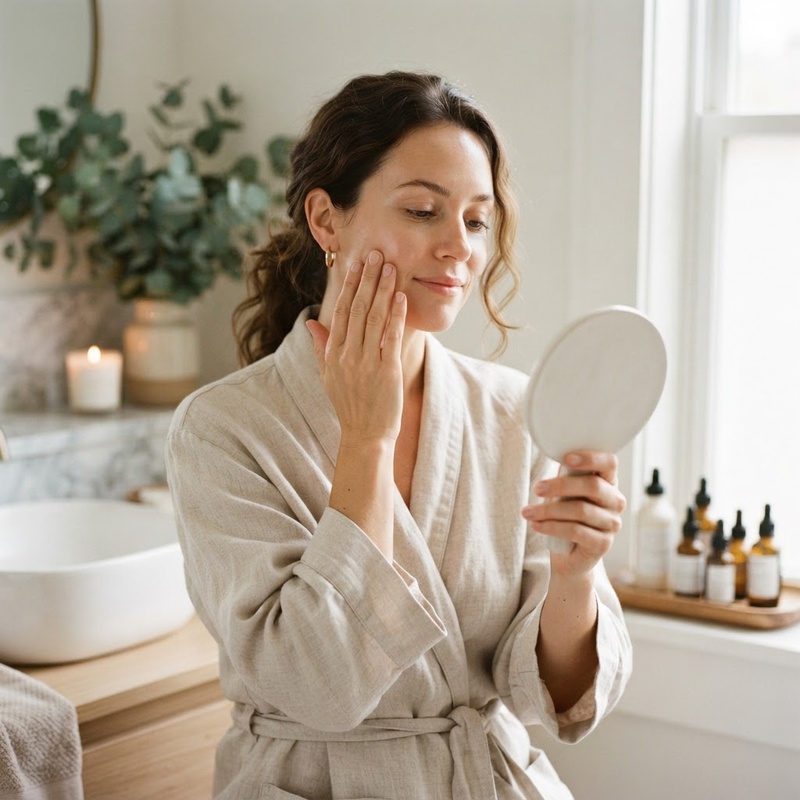
The relationship between mind and body is nowhere more visible than on the skin. As the body's largest organ, the skin constantly interacts with the nervous, endocrine, and immune systems. When life presents emotional pressure, physical strain, or ongoing daily challenges, the body responds through intricate hormonal signaling pathways. Central to this process is cortisol, often referred to as the body's primary stress hormone. Understanding how cortisol interacts with cutaneous biology offers valuable insight into why skin may feel drier, look oilier, or experience temporary reactivity during demanding seasons of life.
The relationship between mind and body is nowhere more visible than on the skin. As the body's largest organ, the skin constantly interacts with the nervous, endocrine, and immune systems. When life presents emotional pressure, physical strain, or ongoing daily challenges, the body responds through intricate hormonal signaling pathways. Central to this process is cortisol, often referred to as the body's primary stress hormone. Understanding how cortisol interacts with cutaneous biology offers valuable insight into why skin may feel drier, look oilier, or experience temporary reactivity during demanding seasons of life.
For many individuals, experiencing skin shifts during periods of stress can feel frustrating or mysterious. However, scientific research demonstrates that these changes are deeply rooted in physiological mechanisms rather than personal routine shortfalls. By examining the biological pathways connecting nervous system activity to skin cellular behavior, individuals can approach skincare with greater clarity, compassion, and realistic expectations. This article explores the cortisol connection, the mechanics of stress-induced skin responses, evidence-informed support strategies, and when consulting a licensed healthcare clinician is appropriate.
Understanding Cortisol and the Hypothalamic-Pituitary-Adrenal (HPA) Axis
To appreciate how stress influences skin physiology, it is helpful to look at the neuroendocrine command center known as the Hypothalamic-Pituitary-Adrenal (HPA) axis. When the brain perceives a stressor—whether psychological anxiety, environmental challenges, or lack of rest—the hypothalamus releases corticotropin-releasing hormone (CRH). CRH travels to the pituitary gland, stimulating the production of adrenocorticotropic hormone (ACTH). ACTH then signals the adrenal cortex, located atop the kidneys, to synthesize and secrete systemic cortisol into the bloodstream.
Cortisol plays vital adaptive roles throughout the human body. It regulates glucose metabolism, helps control blood pressure, modulates immune activity, and assists in managing acute physical demands. In brief, controlled bursts, cortisol helps the body navigate daily challenges effectively. However, when stress becomes chronic or prolonged, circulating cortisol levels remain elevated, influencing diverse physiological systems, including cutaneous tissue.
Fascinatingly, dermatological research highlights that the skin possesses its own fully functional peripheral HPA axis. Cutaneous cells, including keratinocytes, dermal fibroblasts, sebocytes, and immune cells such as mast cells, express receptors for CRH, ACTH, and cortisol. This local neuroendocrine system allows skin cells to respond directly to locally produced stress signals as well as systemic hormonal shifts. Consequently, stress signals bypass no layer of the skin, establishing a direct biochemical dialogue between emotional state and cutaneous function.
How Elevated Cortisol Interacts with Key Skin Mechanisms
The cutaneous effects of cortisol are wide-ranging because glucocorticoid receptors exist throughout the epidermis and dermis. Elevated or sustained cortisol levels interact with several core cellular functions, influencing oil secretion, barrier strength, structural proteins, and inflammatory balance.
Sebum Production and Sebocyte Dynamics
Sebaceous glands are highly sensitive to endocrine signals. Cortisol, alongside corticotropin-releasing hormone, exerts direct regulatory control over sebocytes—the specialized cells responsible for producing skin lipids. Research indicates that elevated stress hormones can stimulate sebocyte proliferation and alter lipid synthesis pathways. This activation may increase total sebum production or modify the specific composition of fatty acids present in skin oil.
When excess sebum combines with shedding keratinocytes inside follicular pores, conditions may favor localized congestion. While individual responses vary based on genetics, baseline skin type, and overall health, many people notice altered pore dynamics during high-stress periods. Importantly, this reaction is a physiological cascade rather than a hygiene issue, highlighting the benefit of gentle care over harsh stripping practices.
Epidermal Barrier Integrity and Hydration Support
The skin barrier, primarily located in the stratum corneum, functions as a protective shield against external pathogens, irritants, and environmental moisture loss. A resilient barrier relies on an optimal ratio of intercellular lipids, particularly ceramides, cholesterol, and free fatty acids, alongside natural moisturizing factors (NMFs) within keratinocytes.
Studies suggest that elevated cortisol levels can suppress the enzymatic pathways responsible for ceramide synthesis. Additionally, stress hormones can impair epidermal cell differentiation and reduce the expression of structural proteins like filaggrin. As a result, transepidermal water loss (TEWL) may increase, leading to surface dehydration, flakiness, or heightened vulnerability to environmental irritants. When barrier integrity is compromised, the skin may feel tight or appear dull despite regular topical moisturizing.
Collagen Synthesis and Structural Matrix Maintenance
Dermal fibroblasts are the principal cells responsible for manufacturing collagen, elastin, and extracellular matrix components that provide skin with structural firmness and elasticity. Cortisol naturally exhibits catabolic properties, meaning it encourages tissue breakdown and inhibits protein synthesis under prolonged exposure.
Scientific investigations demonstrate that sustained cortisol elevation can downregulate collagen gene expression in dermal fibroblasts while upregulating matrix metalloproteinases (MMPs)—enzymes that break down structural collagen fibers. Over time, impaired extracellular matrix synthesis can slow down natural tissue repair processes. This mechanism explains why minor skin abrasions, post-inflammatory marks, or routine healing may appear to progress more slowly during times of chronic physical or emotional strain.
Cutaneous Immune Modulation and Sensitivity
The immune system and skin health are intimately linked. Under typical baseline conditions, homeostatic cortisol helps regulate immune responses and keep systemic inflammation in check. However, chronic HPA axis activation can disrupt immune modulation, shifting local cutaneous responses toward heightened sensitivity.
Elevated cortisol and CRH levels can trigger dermal mast cell degranulation, releasing histamine and pro-inflammatory cytokines such as interleukin-6 (IL-6) and tumor necrosis factor-alpha (TNF-alpha). This localized chemical release can contribute to temporary skin flushing, heightened reactivity to everyday topical ingredients, or episodic itching. Understanding these immune pathways explains why skin might feel reactive or easily flushed when facing demanding personal or professional circumstances.
The Stress-Skin Feedback Loop: A Two-Way Street
The connection between mind and skin is not a one-way street; rather, it forms a continuous feedback loop. The top-down pathway describes how internal emotional states release hormonal mediators that alter skin cellular function. Conversely, the bottom-up pathway illustrates how visible skin changes or physical discomfort can affect emotional well-being and daily confidence.
When an individual notices unexpected breakouts, temporary flakiness, or surface irritation, it is natural to experience heightened self-consciousness. This emotional response can further activate the HPA axis, maintaining elevated cortisol output and compounding cutaneous reactivity. Recognizing this loop is essential for breaking negative cycles of self-criticism or anxiety surrounding skin appearance.
It is crucial to approach this biological reality with a warm, no-shame perspective. Skin shifts under stress are natural cellular adaptations to physiological signals, not personal failings or indications of poor habits. Furthermore, educational research emphasizes that stress management is a supportive practice that promotes general wellness—not a solitary solution or cure for complex skin conditions. Approaching skin health holistically allows for practical, stress-free care routines focused on nourishing support rather than perfection.
Evidence-Informed Strategies to Support Skin During Stressful Periods
While lifestyle adjustments cannot immediately neutralize every biological effect of cortisol, incorporating evidence-informed habits can support general resilience, promote systemic well-being, and buffer skin against environmental stress.
Nervous System Regulation and Mindful Reset
Engaging in activities that shift the autonomic nervous system toward parasympathetic dominance can support healthier hormonal balance. Practices such as deep diaphragmatic breathing, structured meditation, progressive muscle relaxation, or gentle yoga help stimulate vagal nerve tone. Studies indicate that regular parasympathetic activation can assist in moderating diurnal cortisol rhythms, offering broad systemic benefits that extend to cutaneous tissues.
Prioritizing Restorative Sleep Hygiene
Sleep and circadian alignment play pivotal roles in skin tissue maintenance and endocrine equilibrium. Nocturnal hours are characterized by peak growth hormone release and heightened cellular division within the epidermis. Chronic sleep restriction disrupts natural cortisol rhythms, leading to elevated evening stress hormones that can impair barrier recovery. Establishing consistent sleep schedules, limiting blue light exposure before bed, and creating a calming evening environment support nocturnal repair mechanisms.
Gentle, Barrier-Centric Skincare Routines
During periods of elevated stress, skin benefits most from a simplified, soothing skincare regimen focused on barrier maintenance rather than aggressive treatment. Over-exfoliating or frequently introducing novel active ingredients can further strain an already compromised stratum corneum.
- Focus on Gentle Cleansing: Use mild, non-stripping cleansers that preserve natural lipid coatings without causing tight or dry sensations.
- Replenish Hydration: Incorporate humectants like glycerin and hyaluronic acid to attract moisture into the upper epidermal layers.
- Support Barrier Lipids: Apply moisturizers containing ceramides, fatty acids, and niacinamide to help reinforce intercellular lipid matrices.
- Daily Photoprotection: Apply broad-spectrum sun protection daily to shield delicate or stressed skin from ultraviolet oxidative damage.
Nourishing Nutrition and Hydration
Dietary choices provide essential biochemical building blocks for skin structure and enzymatic defense. Consuming a balanced diet rich in dietary antioxidants (such as vitamins C and E), omega-3 essential fatty acids, and diverse phytonutrients can help mitigate oxidative stress in cutaneous tissues. Consistent fluid intake throughout the day supports overall systemic hydration and cellular function.
When to Consult a Licensed Clinical Healthcare Provider
While mindful routines and gentle topical care offer supportive baseline management, persistent or severe skin changes require expert evaluation. Skin conditions such as chronic eczema, rosacea flares, persistent acne, or unexplained rashes involve complex immune and genetic factors beyond stress alone. Attempting to self-manage persistent skin concerns through trial-and-error products can sometimes worsen irritation.
Partnering with a licensed clinical healthcare provider ensures an accurate clinical assessment and personalized guidance tailored to your specific physiology. Medical professionals can evaluate your skin's unique state, distinguish between stress-related reactivity and underlying dermatological conditions, and discuss appropriate evidence-based options.
Modern telehealth services have simplified access to professional clinical care. Through confidential virtual consultations, licensed clinicians can examine your skin health history, answer questions, and recommend targeted strategies. When medically appropriate following a thorough clinical evaluation, clinicians can prescribe evidence-backed therapeutic treatments designed to address your specific skin needs safely and effectively.
Empowering Your Skin Health Journey
Understanding the intimate connection between stress and skin biology transforms how we view daily skin shifts. Rather than viewing skin reactivity as a frustration, it can serve as a compassionate signal to check in with overall well-being, prioritize restful recovery, and practice gentle daily self-care. Cortisol's influence on sebum, barrier strength, collagen, and inflammation underscores the importance of a balanced approach that honors both mind and body.
By combining stress-reducing lifestyle habits with gentle, barrier-focused skincare and seeking clinical guidance when needed, you can cultivate skin resilience through every season of life. Remember that every person's skin journey is unique, and seeking guidance from qualified medical professionals provides the highest standard of individualized support.
If you are experiencing persistent skin concerns or wish to explore personalized care options with a licensed professional, visit EOS Health Skincare Services today to learn more about comprehensive telehealth evaluations.
Cortisol
A steroid hormone produced by the adrenal glands that helps regulate metabolism, immune responses, and the body's physiological adaptation to stress.
HPA Axis
The Hypothalamic-Pituitary-Adrenal axis, a neuroendocrine network regulating stress responses, hormonal release, and homeostatic balance throughout the body.
Transepidermal Water Loss (TEWL)
The continuous passive evaporation of water from inside the skin through the epidermal layers into the surrounding atmosphere.
Sebocytes
Specialized cells within sebaceous glands that synthesize lipid-rich sebum to lubricate, protect, and maintain skin surface hydration.
Ceramides
Essential lipid molecules naturally found within the stratum corneum that form a crucial component of the skin's protective barrier matrix.
Sources
faq
Common questions, answered.
How does cortisol specifically affect skin cells?
Cortisol binds to glucocorticoid receptors located on keratinocytes, sebocytes, and dermal fibroblasts. This interaction can alter lipid production, slow collagen synthesis pathways, and weaken epidermal barrier resilience.
Can stress directly cause skin breakouts or increased oil production?
Stress triggers the release of cortisol and corticotropin-releasing hormone, which can stimulate sebaceous glands to produce excess sebum. When mixed with shedding skin cells, increased oiliness may contribute to pore congestion.
Does stress affect the natural skin barrier?
Yes. Elevated cortisol levels can suppress the synthesis of essential epidermal lipids, such as ceramides, while increasing transepidermal water loss. This can lead to surface dryness, tightness, and increased skin sensitivity.
Will managing stress levels clear up skin issues completely?
No single lifestyle change alone can clear skin conditions across all individuals. While stress management supports overall skin health and reduces biological strain, skin concerns are influenced by genetics, hormones, and environment. Stress management serves as a supportive practice alongside appropriate skincare and clinical care.
What ingredients help support the skin barrier during periods of high stress?
Formulations containing ceramides, hyaluronic acid, glycerin, niacinamide, and squalane help replenish moisture, support lipid structure, and soothe outer skin layers without causing irritation.
Why does skin sometimes feel more sensitive when feeling stressed?
Stress hormones can trigger mast cell activation in the skin, leading to the release of histamine and inflammatory cytokines. This cascade can increase skin reactivity, redness, and temporary discomfort.
How does sleep quality influence cortisol and skin repair?
Deep sleep allows natural evening cortisol levels to decrease while growth hormones promote nocturnal cellular division and barrier repair. Chronic sleep loss disrupts this balance, impairing skin recovery.
When should I consult a telehealth provider about stress-related skin concerns?
You should consult a healthcare provider if skin changes are persistent, painful, spreading, or causing distress. A licensed clinician can provide diagnostic clarity and prescribe targeted treatments after a clinical evaluation.
Great skin starts with the right protocol.™
Start free consultationwhat are you waiting for?
You're one click away from a new you.
Fill out our brief form and a licensed physician will evaluate which treatment plan is best for you.