Testosterone and Sexual Health: When to Get Evaluated
Explore how testosterone influences sexual health, key symptoms that warrant blood testing, and how licensed clinicians evaluate hormone levels safely.
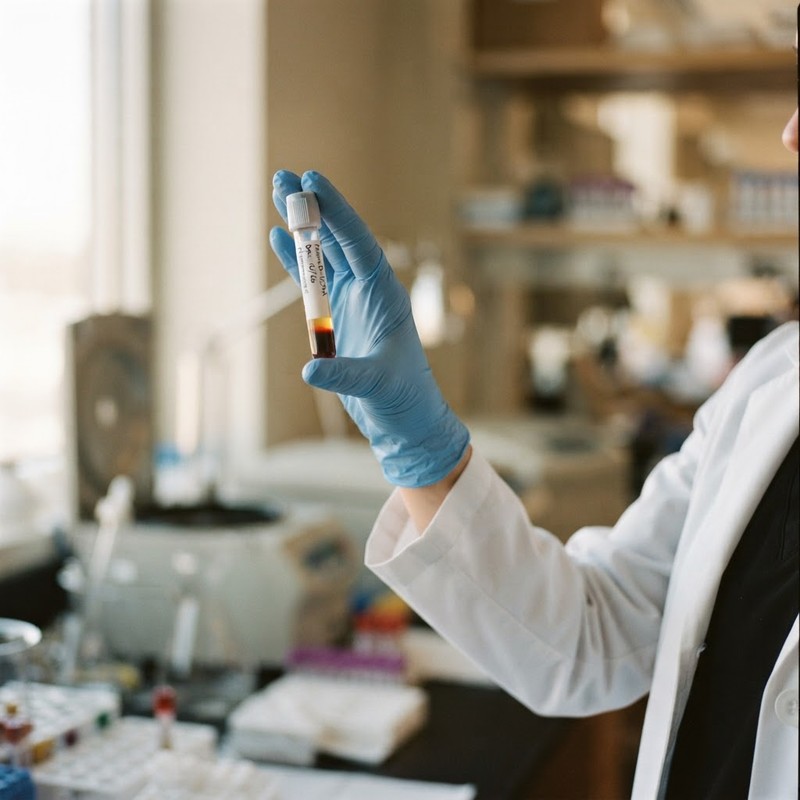
Hormonal health plays a foundational role in male vitality, physical stamina, emotional balance, and sexual wellness. Among the various hormones circulating in the human body, testosterone is often considered the primary chemical messenger governing male sexual development, desire, and physiological response. Yet, despite its importance, discussions around testosterone levels and sexual health can sometimes feel overwhelming or confusing.
Hormonal health plays a foundational role in male vitality, physical stamina, emotional balance, and sexual wellness. Among the various hormones circulating in the human body, testosterone is often considered the primary chemical messenger governing male sexual development, desire, and physiological response. Yet, despite its importance, discussions around testosterone levels and sexual health can sometimes feel overwhelming or confusing. Many men notice subtle changes in energy, libido, or physical performance as they age or navigate busy lives, wondering whether these shifts reflect normal variation, temporary stress, or an underlying hormonal imbalance.
At EOS Health, we believe that understanding your endocrine health should be empowering, supportive, and grounded in sound medical science. Seeking a professional evaluation is not a sign of weakness; rather, it represents a proactive commitment to personal wellness. In this guide, we explore the biological functions of testosterone, identify key symptoms that suggest a clinical evaluation may be helpful, explain how clinicians assess hormone levels through precise laboratory testing, and outline evidence-based paths forward under licensed medical guidance.
The Biological Role of Testosterone in Male Sexual Health
Testosterone is a steroid hormone belonging to the androgen class, predominantly produced by Leydig cells in the testes and regulated through the hypothalamic-pituitary-gonadal (HPG) axis. The brain's hypothalamus releases gonadotropin-releasing hormone (GnRH), prompting the anterior pituitary gland to secrete luteinizing hormone (LH) and follicle-stimulating hormone (FSH). LH signals the testes to synthesize testosterone, which then interacts with androgen receptors in the brain, blood vessels, muscles, bones, and reproductive organs.
When considering sexual health specifically, testosterone exerts its influence through several distinct physiological mechanisms:
- Central Regulation of Sexual Desire: Testosterone interacts directly with androgen receptors in the central nervous system, particularly within the hypothalamus and limbic system. These brain regions modulate sexual motivation and responsiveness to intimacy. While desire involves complex neurochemistry and psychological factors, adequate androgen signaling provides an essential physiological foundation.
- Support for Vascular and Erectile Tissue Integrity: An erection is primarily a neurovascular event driven by blood flow, but testosterone helps maintain the structural health of cavernosal smooth muscle. Research indicates testosterone supports endothelial nitric oxide synthase (eNOS) expression, an enzyme necessary for producing nitric oxide—the signal that relaxes penile blood vessels during arousal.
- Spermatogenesis and Reproductive Function: High intratesticular concentrations of testosterone, alongside FSH, are required for the development and maturation of healthy sperm cells.
- Systemic Vitality and Energy: Testosterone regulates lean muscle mass, red blood cell production, bone density, and fat distribution. Because overall physical stamina directly impacts confidence, androgen health shapes daily well-being and intimacy.
While testosterone is vital for sexual health, it is not the sole factor governing erectile function. Mechanical erection quality relies heavily on vascular endothelial health and nerve signaling. Consequently, a man may experience erectile dysfunction (ED) with normal testosterone levels, or have lower testosterone while maintaining adequate vascular response. A comprehensive clinical evaluation helps clarify these underlying factors.
Key Symptoms That Warrant a Hormone Evaluation
Testosterone levels naturally fluctuate daily and decline gradually with age—typically by about 1% per year after age 30. However, a progressive drop below physiological norms, known clinically as hypogonadism, can produce symptoms across multiple body systems. Clinicians look for a combination of physical, sexual, and emotional indicators when determining if lab work is appropriate.
1. Sexual Health Indicators
Changes in sexual function are among the most common reasons men seek hormonal advice. Evaluation may be recommended if you experience:
- Persistent Reduction in Libido: A noticeable decline in sexual thoughts, interest, or desire that differs significantly from your established baseline over several months.
- Decrease in Spontaneous Erections: Fewer naturally occurring morning or nocturnal erections, which serve as physiological markers of involuntary neurovascular and hormonal health.
- Changes in Erectile Rigidity: Difficulty achieving or maintaining erections satisfactory for intimacy. While PDE5 inhibitors (such as FDA-approved generic sildenafil or tadalafil) enhance blood flow during arousal, evaluating baseline hormone levels ensures underlying endocrine factors are identified.
- Diminished Ejaculatory Volume: Reduced fluid volume during ejaculation, which can correlate with low androgen stimulation of accessory sex glands.
2. Physical and Metabolic Indicators
Because testosterone receptors exist throughout muscular and adipose tissues, hormonal shifts frequently manifest in physical changes:
- Unexplained Fatigue: Feeling persistently drained despite adequate sleep, or experiencing decreased physical endurance.
- Loss of Lean Muscle Mass: Difficulty maintaining muscle despite consistent resistance training and appropriate nutrition.
- Increase in Visceral Body Fat: Accumulation of abdominal body fat. Adipose tissue contains the aromatase enzyme, which converts testosterone into estradiol, potentially compounding imbalances.
- Gynecomastia: Swelling or tenderness in male breast tissue caused by shifts in the estrogen-to-androgen ratio.
3. Cognitive and Emotional Indicators
The brain relies on steady hormonal signaling for mood regulation and cognitive focus. Men with low testosterone may observe:
- Persistent Low Mood: Feelings of sadness, apathy, or heightened irritability without a clear external trigger.
- Brain Fog: Mild difficulties with concentration, short-term memory, or mental processing speed.
- Decreased Motivation: A reduced sense of drive or enthusiasm for work and personal goals.
None of these symptoms alone serve as definitive proof of low testosterone. Conditions like chronic stress, thyroid dysfunction, poor sleep, or cardiovascular issues can mirror these signs, making professional medical testing essential.
How Clinicians Evaluate Testosterone Levels
If a hormone assessment is appropriate, the evaluation process combines a thorough medical review with specialized blood testing.
The Initial Clinical Assessment
A licensed clinician reviews your medical history, current medications, lifestyle habits, and specific concerns. Validated assessment tools, such as the ADAM or SHIM questionnaires, may quantify symptom severity. The provider will also evaluate sleep quality, stress levels, dietary patterns, and exercise routines.
Diagnostic Blood Testing Protocols
Accurate laboratory measurement requires specific timing because serum testosterone levels follow a circadian rhythm, peaking in the morning. Endocrine clinical guidelines recommend standardized protocols:
- Morning Blood Collection: Blood samples are drawn between 7:00 AM and 10:00 AM after an overnight fast to capture peak daily serum concentrations.
- Repeat Testing for Confirmation: Because testosterone fluctuates daily due to stress, sleep, or illness, clinicians order at least two separate morning blood tests to confirm low levels before considering treatment.
- Total vs. Free Testosterone: Total testosterone measures all circulating hormone in the bloodstream. However, roughly 60% is tightly bound to Sex Hormone-Binding Globulin (SHBG) and unavailable to tissues. Free testosterone (unbound) and bioavailable testosterone represent the active fractions that interact with cell receptors. Evaluating free testosterone is vital when SHBG levels are altered by obesity, aging, or thyroid shifts.
Comprehensive Endocrine Markers
To identify root causes and ensure safety, clinicians evaluate several biomarkers alongside testosterone:
| Biomarker | Clinical Purpose |
|---|---|
| Luteinizing Hormone (LH) & FSH | Distinguishes primary hypogonadism (testicular dysfunction) from secondary hypogonadism (pituitary impairment). Elevated LH with low T points to a testicular origin. |
| Prolactin | Screens for elevated prolactin, which can suppress pituitary gonadotropin release and lower testosterone production. |
| Estradiol (E2) | Assesses estrogen-androgen balance, especially in men with weight changes or gynecomastia. |
| Sex Hormone-Binding Globulin (SHBG) | Clarifies free testosterone availability when total levels are borderline. |
| Complete Blood Count (CBC) | Establishes baseline red blood cell counts, as androgen therapy can stimulate erythropoiesis. |
| Prostate-Specific Antigen (PSA) | Evaluates prostate health prior to starting any hormonal therapy. |
Potential Causes and Contributing Factors
Understanding low testosterone requires examining both primary biological mechanisms and secondary lifestyle influences. Medical evaluation divides clinical hypogonadism into two main categories:
- Primary Hypogonadism: Originates in the testes, where Leydig cells fail to produce adequate testosterone despite strong pituitary signals (elevated LH). Causes include testicular trauma, congenital factors, or age-related cellular changes.
- Secondary Hypogonadism: Originates in the hypothalamus or pituitary gland, where signaling hormones (LH, GnRH) are insufficient. Causes include metabolic syndrome, obesity, pituitary adenomas, or prescription medication side effects.
In addition to structural health conditions, several lifestyle factors can suppress physiological testosterone levels:
- Chronic Sleep Restriction: Testosterone synthesis occurs largely during deep REM sleep. Restricting sleep to 5 hours per night for one week can reduce daytime testosterone levels by 10% to 15%.
- Metabolic Health and Obesity: Excess visceral fat increases aromatase activity, converting testosterone to estradiol and suppressing pituitary signaling.
- High Chronic Cortisol: Prolonged stress elevates cortisol, which opposes testosterone signaling and suppresses central GnRH release.
Evidence-Based Paths Forward and Clinical Care
When laboratory testing confirms low testosterone alongside symptoms, a licensed clinician can recommend a personalized care plan focused on safety and overall wellness.
Foundational Lifestyle Modifications
Implementing evidence-based lifestyle habits provides substantial baseline support for endocrine and cardiovascular health:
- Prioritizing 7 to 9 hours of quality sleep nightly.
- Engaging in regular resistance exercise and cardiovascular activity.
- Consuming a balanced, nutrient-dense diet rich in healthy fats and micronutrients.
- Managing daily stress through structured rest and mindfulness.
- Moderating alcohol consumption and avoiding tobacco.
Medical Management Options
When lifestyle adjustments are insufficient, clinicians may consider targeted medical treatments tailored to your health profile and fertility goals:
- Testosterone Replacement Therapy (TRT): For men diagnosed with hypogonadism, TRT helps restore testosterone levels to physiological normal ranges via gels, patches, or injections under ongoing medical monitoring.
- Fertility-Preserving Options: Because exogenous testosterone can suppress natural sperm production, clinicians may recommend alternatives like selective estrogen receptor modulators (e.g., enclomiphene) or hCG for men wishing to maintain fertility.
- Support for Erectile Health: For co-existing erectile concerns, clinicians often prescribe FDA-approved oral PDE5 inhibitors like generic sildenafil or tadalafil to support vascular blood flow. In specific cases, a provider might evaluate compounded combination products (such as Complete Tabs). Note that while individual active ingredients like sildenafil or tadalafil are FDA-approved, compounded combination formulations are not FDA-approved and require careful clinician consultation.
Taking the Next Step with EOS Health
Noticing changes in desire, energy, or performance can feel challenging, but getting evaluated by a qualified provider offers clear answers and safe, evidence-based guidance.
At EOS Health, our telehealth platform connects you with licensed clinicians specializing in men's sexual and hormonal wellness. Through virtual consultations and convenient lab testing, our clinical team works with you to evaluate symptoms, interpret lab results, and build a personalized treatment plan aligned with your goals. Whether your path involves hormone testing, lifestyle optimization, or prescription management, we support your health journey with medical rigor, privacy, and compassion.
To learn more about clinical hormone testing and tailored sexual health options, visit the EOS Health Men's Sexual Health Treatment Center today.
Hypogonadism
A clinical condition in which the testes produce insufficient quantities of testosterone, sperm, or both, leading to potential physical and sexual symptoms.
Free Testosterone
The unattached fraction of circulating testosterone (about 1% to 2%) that is biologically active and accessible to cell receptors.
Sex Hormone-Binding Globulin (SHBG)
A liver-produced protein that binds tightly to sex hormones, regulating their transport and availability in the bloodstream.
Luteinizing Hormone (LH)
A pituitary hormone that signals testicular Leydig cells to synthesize and release testosterone.
PDE5 Inhibitors
Medications—such as FDA-approved generic sildenafil and tadalafil—that promote vascular smooth muscle relaxation and blood flow in penile tissue during arousal.
Sources
faq
Common questions, answered.
What is considered a normal testosterone level for adult men?
In adult men, total testosterone levels generally range between 300 ng/dL and 1,000 ng/dL, though reference ranges vary by laboratory. Clinicians evaluate these numbers alongside free testosterone levels and clinical symptoms rather than using a rigid single cutoff.
Why is a morning blood test required for testosterone evaluation?
Testosterone levels peak naturally between 7:00 AM and 10:00 AM after restful sleep. Testing later in the day can show levels up to 20% to 30% lower, which may lead to inaccurate assessments. Morning testing ensures consistent, clinically valid results.
Can low testosterone cause erectile dysfunction?
Low testosterone can contribute to erectile dysfunction by reducing sexual desire and impairing nitric oxide mechanisms in penile tissue. However, ED can also stem from cardiovascular, neurological, or psychological factors independently of hormone levels.
What is the difference between total and free testosterone?
Total testosterone measures all hormone circulating in the blood, including protein-bound portions. Free testosterone measures the unbound fraction readily available to cellular receptors, providing crucial clarity when total levels are borderline.
Does natural testosterone production decline with age?
Yes, serum testosterone levels decrease by about 1% per year after age 30. While gradual decline is normal, significant drops accompanied by persistent symptoms may indicate clinical hypogonadism and warrant evaluation.
Can lifestyle changes improve testosterone levels?
Optimizing sleep, maintaining a balanced diet, reducing abdominal fat, managing stress, and engaging in resistance training support natural hormone balance. While foundational, severe hypogonadism may still require clinical treatment.
What is the difference between primary and secondary hypogonadism?
Primary hypogonadism originates in the testes, causing low testosterone despite high pituitary signals (LH). Secondary hypogonadism stems from signaling disruption in the brain, causing low testosterone with low or normal LH.
Are compounded sexual health products FDA-approved?
No. While individual active ingredients like sildenafil or tadalafil are FDA-approved, custom compounded formulations (such as Complete Tabs) are not individually approved by the FDA and should be evaluated with a licensed clinician.
How quickly can I expect results from clinical care?
Oral PDE5 inhibitors for erectile health typically take effect within 30 to 60 minutes. In contrast, hormone optimization therapies may require several weeks to months of clinician-monitored care to yield noticeable changes in energy and libido.
Take your health off the back burner.™
Start free consultationwhat are you waiting for?
You're one click away from a new you.
Fill out our brief form and a licensed physician will evaluate which treatment plan is best for you.