The Plate Method on GLP-1: Composing Balanced Meals
Learn how to use the plate method on GLP-1 therapy to compose balanced, nutrient-dense meals. Adapt visual portioning for appetite changes and small plates.
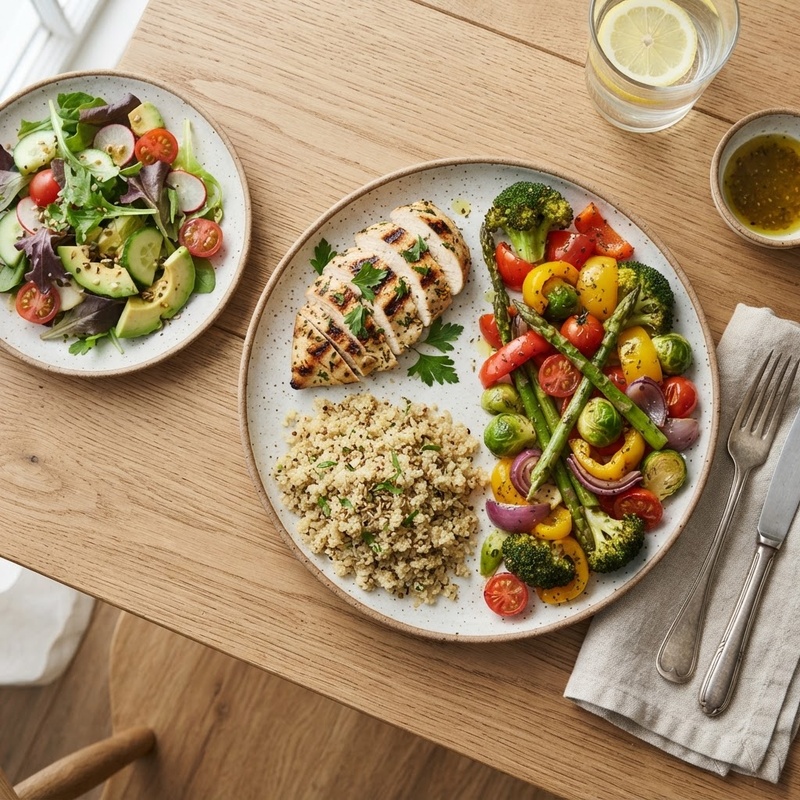
Beginning a medical weight management journey with GLP-1 receptor agonist therapy often brings noticeable shifts in appetite, satiety signals, and dietary preferences. As gastric emptying slows and full signals arrive earlier during meals, many individuals find that traditional calorie counting or complex macro-tracking becomes cumbersome or mismatched with their daily experience. When appetite naturally declines, every bite carries greater significance for meeting overall nutritional needs. Ensuring that meals provide adequate protein, essential vitamins, minerals, and dietary fiber without causing physical discomfort requires an intuitive, sustainable framework.
Beginning a medical weight management journey with GLP-1 receptor agonist therapy often brings noticeable shifts in appetite, satiety signals, and dietary preferences. As gastric emptying slows and full signals arrive earlier during meals, many individuals find that traditional calorie counting or complex macro-tracking becomes cumbersome or mismatched with their daily experience. When appetite naturally declines, every bite carries greater significance for meeting overall nutritional needs. Ensuring that meals provide adequate protein, essential vitamins, minerals, and dietary fiber without causing physical discomfort requires an intuitive, sustainable framework.
The Plate Method offers an accessible visual guide that simplifies meal preparation without requiring scales or tedious calculations. By organizing a plate into clear visual proportions—half non-starchy vegetables, one-quarter lean protein, and one-quarter complex carbohydrates—you can create nourishing, balanced meals tailored to your body's changing demands. When adapted for GLP-1 therapy, this time-tested dietary tool helps maintain lean muscle mass, supports digestive comfort, and fosters a healthy, long-term relationship with food.
Understanding the Plate Method in the Context of GLP-1 Therapy
GLP-1 receptor agonists mimic a naturally occurring metabolic hormone that regulates blood glucose levels and signals satiety to the brain. One primary physiological effect of these medications is delayed gastric emptying, meaning food moves through the stomach at a more gradual pace. While this mechanism helps increase feelings of fullness after eating, it also means that consuming overly large or high-fat meals can lead to gastrointestinal symptoms such as nausea, bloating, or mild reflux.
Because hunger cues are often suppressed during GLP-1 therapy, relying solely on appetite to determine what to eat can inadvertently lead to nutritional gaps. Skipping meals or consuming unbalanced portions may result in inadequate protein intake, which is critical for preserving lean muscle mass during weight loss. The Plate Method serves as a reliable visual template. Rather than focusing on strict calorie targets, it encourages a balanced distribution of macronutrients that optimizes digestion, promotes steady energy levels, and simplifies daily meal decisions.
Why Visual Portioning Superiorly Fits GLP-1 Nuances
Visual portioning removes the cognitive burden of constant measurement while ensuring key physiological needs are met. When eating smaller total quantities of food, prioritizing protein and fiber first helps prevent nutrient deficiencies while respecting reduced gastric capacity. The Plate Method acts as a flexible framework that adapts smoothly whether you are cooking at home, dining out, or preparing quick snacks.
Deconstructing the Visual Formula: Vegetables, Protein, and Carbs
The standard visual plate formula relies on three core components, balanced with a measured accent of healthy fats. Understanding the specific physiological role of each section enables thoughtful food choices that support gastrointestinal comfort and energy stability.
Half the Plate: Non-Starchy Vegetables
Filling half the plate with colorful, non-starchy vegetables provides essential micronutrients, antioxidants, and dietary fiber with high water volume. Fiber aids in regulating bowel habits—a particularly valuable benefit, as GLP-1 medications can sometimes alter digestive regularity. Excellent non-starchy vegetable choices include:
- Leafy greens such as spinach, kale, arugula, and swiss chard
- Cruciferous vegetables like broccoli, cauliflower, and Brussels sprouts (cooked gently for optimal digestability)
- Zucchini, yellow squash, bell peppers, asparagus, and green beans
- Cucumbers, radishes, and tomatoes
For individuals experiencing early satiety or mild nausea, cooking vegetables thoroughly—such as steaming, roasting, or sautéing—softens dietary fiber and makes them easier on the digestive tract than large raw salads.
One-Quarter of the Plate: Lean Protein
Preserving lean body tissue, including muscle mass and organ tissue, is a central priority during weight loss. Dietary protein supplies the amino acids necessary for muscle maintenance, immune function, and enzymatic processes. Protein also exhibits a high thermic effect and promotes sustained satiety. Placing high-quality protein on one-quarter of the plate ensures it remains a central element of every meal. Recommended lean protein sources include:
- Skinless poultry (chicken breast, turkey)
- Fish and seafood (salmon, cod, tuna, shrimp)
- Eggs and egg whites
- Low-fat dairy options such as Greek yogurt, cottage cheese, and kefir
- Plant-based proteins including tofu, tempeh, edamame, and lentils
One-Quarter of the Plate: Complex Carbohydrates
Carbohydrates remain a vital fuel source for brain function and physical energy. Selecting complex, fiber-rich carbohydrates over refined sugars promotes gradual glucose absorption, helping keep blood sugar levels steady throughout the day. The remaining quarter of the plate can feature choices such as:
- Whole grains including quinoa, brown rice, farro, oats, and barley
- Starchy vegetables like sweet potatoes, squash, and green peas
- Legumes such as black beans, chickpeas, and kidney beans
Healthy Fats: The Essential Accent
While fats are energy-dense, small amounts of healthy fats are vital for absorbing fat-soluble vitamins (A, D, E, and K) and enhancing meal satisfaction. Adding a teaspoon or two of extra virgin olive oil, a slice of avocado, or a sprinkle of chia seeds, flaxseeds, or sliced almonds delivers essential fatty acids without overloading the stomach.
Adapting the Plate Method to Smaller Portions and Reduced Appetite
One of the most immediate changes reported by individuals taking GLP-1 medications is a sharp decrease in the physical volume of food required to feel full. Placing a tiny portion on a standard 10-inch dinner plate can feel visually unappealing or psychological unnerving, while a full standard plate can feel overwhelming to consume.
Scaling Down Plate Size
An effective strategy is adjusting the diameter of the dish itself. Switching from a traditional 10-inch plate to a 7-inch or 8-inch salad or appetizer plate preserves the visual proportions of the Plate Method while aligning with reduced gastric volume. Filling an 8-inch plate using the 50/25/25 ratio creates a complete, satisfying visual presentation while preventing food waste and overeating.
Meal Order and Pacing Strategies
When appetite is diminished, the order in which food is consumed makes a significant difference. Clinical nutrition guidelines for reduced gastric capacity often suggest eating protein components first, followed by non-starchy vegetables, and finishing with complex carbohydrates. This sequence prioritizes essential amino acid intake before fullness sets in. Additionally, taking small bites, chewing thoroughly, and allowing 20 to 30 minutes for a meal gives the gastrointestinal tract time to register satiety signals without causing discomfort.
Managing Fluids at Mealtime
Drinking large volumes of liquid immediately before or during meals can fill the stomach quickly, leaving less room for nutrient-dense food. Consuming fluids primarily between meals—rather than gulping water during eating—supports efficient digestion and allows adequate space for needed protein and vegetables.
Applying the Plate Method Across Diverse Cuisines and Composite Dishes
A common misconception is that the Plate Method only works for traditional "meat, starch, and vegetable" meals served in separate piles. In reality, the visual ratios apply just as effectively to composite dishes, one-pot meals, and diverse cultural cuisines.
Deconstructing Mixed Meals
When preparing dishes where ingredients are combined—such as stir-fries, curries, grain bowls, pasta dishes, or tacos—mental estimation helps maintain proper proportions:
- Stir-Fries & Curries: Aim for a pan ratio that features twice as many non-starchy vegetables (such as bok choy, peppers, and snap peas) as protein (chicken, tofu, or shrimp), served over a small side portion of brown rice or cauliflower-rice blend.
- Tacos & Fajitas: Build a plate with a generous bed of shredded cabbage, lettuce, and grilled peppers (half the plate), filled with lean ground turkey or black beans (one-quarter), using a whole-corn or whole-wheat tortilla as the starch component (one-quarter).
- Mediterranean Grain Bowls: Start with a foundation of cucumber, tomato, and red onion salad (half), add grilled chicken breast or falafel (one-quarter), and include a small scoop of quinoa or farro (one-quarter) with a spoonful of tzatziki or hummus.
- Soups and Stews: Select broth-based recipes packed with non-starchy vegetables and lean proteins, keeping heavy creams and excessive pasta or potato additions modest.
Navigating Social Gatherings, Buffets, and Restaurant Dining
Social occasions involving food can sometimes feel challenging during GLP-1 therapy. Large restaurant portion sizes and buffet selections present potential pitfalls for overeating or choosing foods high in saturated fats that might trigger digestive upset. The Plate Method provides a clear, reliable anchor in any dining environment.
Buffet and Family-Style Dining
At buffets or holiday gatherings, take a visual survey of all available options before filling your plate. Begin by filling half your plate with available green salads, roasted vegetables, or vegetable-based appetizers. Next, select a lean protein option such as roasted turkey, grilled fish, or sirloin. Finally, choose a small serving of a favorite side dish or whole grain. Having a pre-planned visual structure reduces decision fatigue and helps maintain balanced habits in festive settings.
Restaurant Strategies
When ordering at restaurants, feel empowered to request modifications that match your nutrition goals. Asking for double vegetable sides in place of fries, requesting sauces or dressings on the side, or immediately packing half of the entree to take home allows you to enjoy dining out while keeping portions comfortable for your digestive system.
Building Sustainable Daily Habits with Your Clinical Care Team
Adopting the Plate Method on GLP-1 therapy is not about strict perfection; it is about establishing consistent, health-supportive routines. Every individual responds differently to GLP-1 medications, and dietary needs can evolve over time as body composition and physical activity levels change.
Working closely with a licensed healthcare clinician and a registered dietitian ensures that your nutritional strategy supports your overall health goals. Clinical supervision helps monitor metabolic parameters, evaluate protein status, and address any persistent gastrointestinal symptoms effectively. Prescription GLP-1 treatments require medical evaluation and ongoing professional oversight to ensure safe, effective usage.
If you are exploring comprehensive medical weight management, connect with the clinical care team at EOS Health to receive personalized guidance, expert oversight, and structured lifestyle support tailored to your health journey.
GLP-1 Receptor Agonist
A class of medications that mimic the metabolic hormone GLP-1, helping regulate blood sugar levels, slow gastric emptying, and increase feelings of fullness.
Gastric Emptying
The physiological process by which food exits the stomach and enters the small intestine. Delayed gastric emptying prolongs satiety after eating.
Non-Starchy Vegetables
Vegetables low in carbohydrates and calories, rich in fiber, vitamins, and minerals, such as leafy greens, broccoli, peppers, zucchini, and asparagus.
Satiety
The feeling of fullness and satisfaction following a meal that suppresses the desire to eat further.
Lean Mass Preservation
Maintaining muscle tissue and organ mass during weight loss through adequate dietary protein intake and physical activity.
Sources
faq
Common questions, answered.
What is the Plate Method and how does it help on GLP-1 medication?
The Plate Method is a simple visual guide that divides a plate into half non-starchy vegetables, one-quarter lean protein, and one-quarter complex carbohydrates. On GLP-1 medication, appetite often decreases, making visual portioning an easy way to ensure balanced nutrition without calorie counting.
Should I reduce my plate size while taking a GLP-1 receptor agonist?
Many individuals find using a 7-inch or 8-inch salad plate helpful. Because GLP-1 therapy slows gastric emptying and increases satiety, smaller plates help match reduced hunger levels while maintaining proper nutrient proportions.
Which food group should I eat first during meals?
Prioritizing lean protein first is often recommended when appetite is low. Eating protein early in the meal helps ensure adequate amino acid intake for muscle preservation before early satiety sets in.
Can I use the Plate Method for one-pot meals like stir-fries or curries?
Yes. You can mentally estimate the proportions by ensuring the dish contains twice as many non-starchy vegetables as protein, served alongside a modest portion of whole grains or complex starches.
What if I am too full to finish my whole plate?
Listen to your body's fullness signals and avoid forcing yourself to clear the plate. Prioritize finishing the protein portion, pack remaining food for later, and discuss persistent low appetite with your healthcare provider.
Are healthy fats included in the Plate Method?
Yes. Healthy fats like olive oil, avocado, nuts, or seeds act as a supporting accent. Small amounts support fat-soluble vitamin absorption and flavor without overloading digestive capacity.
How do I handle restaurant dining using the Plate Method?
You can ask for extra non-starchy vegetables instead of refined starch sides, select grilled or baked lean proteins, and request dressings on the side to easily construct a balanced plate.
Why is protein so important while taking GLP-1 treatments?
Adequate protein intake supports lean muscle preservation during weight loss, helps maintain metabolic rate, and promotes sustained energy levels alongside clinical guidance.
Ready to feel like yourself again.™
Start free consultationwhat are you waiting for?
You're one click away from a new you.
Fill out our brief form and a licensed physician will evaluate which treatment plan is best for you.