The Vaginal Microbiome: What Research Is Learning
Discover what current research reveals about the vaginal microbiome, Lactobacillus balance, pH levels, and how microbial diversity impacts overall health.
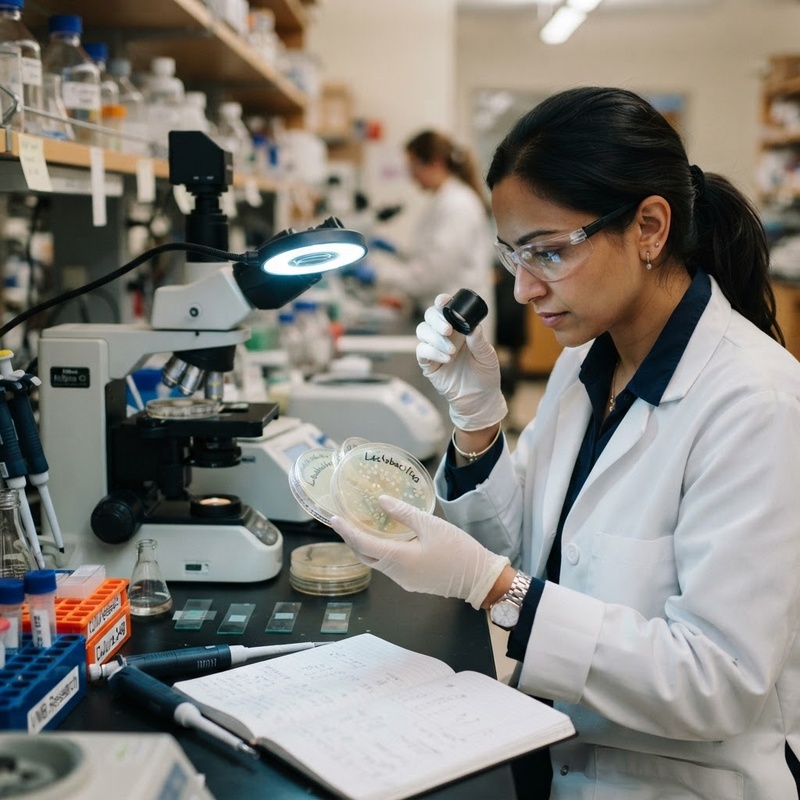
For decades, human biology focused predominantly on large organ systems, treating the microbial communities inhabiting the human body as secondary or incidental. However, advanced genomic sequencing over the last fifteen years has transformed clinical understanding of the human microbiome. Among the body's distinct microbial ecosystems, the vaginal microbiome stands out as remarkably unique, dynamic, and fundamental to female reproductive, urogenital, and sexual health.
For decades, human biology focused predominantly on large organ systems, treating the microbial communities inhabiting the human body as secondary or incidental. However, advanced genomic sequencing over the last fifteen years has transformed clinical understanding of the human microbiome. Among the body's distinct microbial ecosystems, the vaginal microbiome stands out as remarkably unique, dynamic, and fundamental to female reproductive, urogenital, and sexual health.
Unlike the gut microbiome—where high bacterial diversity is generally considered the hallmark of health—the vaginal environment in most healthy premenopausal individuals is characterized by low microbial diversity dominated by specific beneficial bacterial species. Research indicates that maintaining this specialized microenvironment plays a critical role in defending against opportunistic pathogens, supporting tissue health, and maintaining comfort throughout various life stages. This article reviews current scientific findings regarding the structure, function, and influences surrounding the vaginal microbiome, providing educational insights into how this ecosystem operates.
Understanding the Ecosystem: Dominant Species and Microenvironment
The human vaginal microenvironment is a specialized biological niche. Microbiome research, notably pioneered through high-throughput 16S rRNA gene sequencing studies, has revealed that a healthy vaginal ecosystem is typically dominated by bacteria belonging to the genus Lactobacillus.
The Protective Role of Lactobacillus
In most healthy women of reproductive age, Lactobacillus species constitute between 70% and 90% or more of the total bacterial population. These beneficial bacteria perform several vital protective functions that help maintain ecological stability:
- Lactic Acid Production: Lactobacillus species metabolize glycogen-derived sugars present in vaginal secretions into lactic acid (both L-lactic and D-lactic acid isomers). This ongoing acid production maintains an acidic vaginal pH, typically ranging between 3.8 and 4.5. Most pathogenic microorganisms, including bacterial vaginosis-associated anaerobes and sexually transmitted pathogens, struggle to survive or proliferate in such acidic conditions.
- Hydrogen Peroxide ($H_2O_2$) Generation: Specific strains, particularly Lactobacillus crispatus and Lactobacillus jensenii, produce hydrogen peroxide, which exerts antimicrobial effects against non-indigenous or pathogenic microbes.
- Bacteriocin Secretion: Beneficial lactobacilli synthesize antimicrobial peptides known as bacteriocins, which selectively target and inhibit potentially harmful bacterial competitors.
- Competitive Exclusion and Biofilm Formation: By adhering tightly to vaginal epithelial cells, lactobacilli form a protective physical barrier that prevents opportunistic pathogens from adhering to mucosal tissues.
Community State Types (CSTs)
Seminal research led by Dr. Jacques Ravel and colleagues categorized vaginal microbial communities into five distinct "Community State Types" (CSTs) based on the predominant bacterial taxa present:
- CST I: Dominated by Lactobacillus crispatus. This CST is strongly associated with optimal ecological stability and robust protection against infection.
- CST II: Dominated by Lactobacillus gasseri. Common in healthy individuals, providing effective protective mechanisms.
- CST III: Dominated by Lactobacillus iners. While common, research suggests L. iners is more adaptable to changing pH levels and may provide slightly less stable protection during environmental stress.
- CST IV: Characterized by low levels of Lactobacillus and high diversity of anaerobic bacteria, including Gardnerella, Atopobium, Prevotella, and Sneathia. This state is often associated with clinical bacterial vaginosis (BV) or asymptomatic dysbiosis.
- CST V: Dominated by Lactobacillus jensenii, providing a protective, acidic environment similar to CST I and II.
Studies show that a person's CST is not static; it can shift dynamically in response to hormonal fluctuations, sexual activity, hygiene practices, and medical interventions.
The Impact of Life Stages, Hormones, and Estrogen Levels
The composition and stability of the vaginal microbiome are intimately linked to systemic endocrine function, particularly circulating estrogen levels. Estrogen acts as the primary orchestrator of the vaginal microenvironment by modulating epithelial tissue structure and nutrient availability.
Estrogen and Epithelial Glycogen
Estrogen stimulates the maturation and thickening of the vaginal epithelium and promotes the accumulation of glycogen within epithelial cells. As mature epithelial cells shed into the vaginal lumen, alpha-amylase enzymes break down the released glycogen into smaller oligosaccharides, maltose, and glucose. These simple sugars serve as the primary energy substrate for Lactobacillus species, enabling them to flourish and produce high concentrations of lactic acid.
Microbiome Shifts Across Life Phases
Because estrogen levels vary significantly throughout a woman's lifetime, the vaginal microbiome undergoes predictable evolutionary shifts:
- Pre-puberty: Before menarche, circulating estrogen levels are low, resulting in a thin vaginal epithelium with minimal glycogen. The prepubertal vaginal microbiome is diverse and low in lactobacilli, with a neutral to slightly alkaline pH (around 6.5 to 7.5).
- Reproductive Years: Rising estrogen during puberty promotes glycogen storage, allowing Lactobacillus species to establish dominance and lowering the pH to its characteristic acidic range (3.8 to 4.5). During the menstrual cycle, subtle shifts occur: estrogen peaks during the follicular and ovulatory phases boost glycogen availability, while menses temporarily raises pH due to the neutral pH of menstrual blood (pH 7.4).
- Pregnancy: High, sustained estrogen levels during pregnancy lead to maximal glycogen production and enhanced Lactobacillus dominance. Researchers observe that the gestational vaginal microbiome becomes remarkably stable and low in diversity, which clinical studies suggest helps safeguard against ascending urogenital infections.
- Menopause and Postmenopause: As ovarian function declines during perimenopause and postmenopause, systemic estrogen levels drop substantially. Vaginal epithelial tissue thins (atrophy), and glycogen production diminishes. Consequently, Lactobacillus populations decline, and the pH rises above 4.5. This shift often leads to higher microbial diversity and increased susceptibility to localized irritation, dryness, or urinary tract symptoms, often referred to as the Genitourinary Syndrome of Menopause (GSM).
Microbiome Dysbiosis: Recognizing Imbalances and Shifts
When protective lactobacilli populations drop significantly or when environmental conditions alter the pH, opportunistic microorganisms can proliferate. This state of ecological imbalance is termed dysbiosis.
Bacterial Vaginosis (BV) and Anaerobic Overgrowth
Bacterial Vaginosis represents the most prevalent form of vaginal dysbiosis in individuals of reproductive age. Rather than being caused by a single pathogen, research demonstrates that BV involves a complex polymicrobial shift. Anaerobic bacteria like Gardnerella vaginalis, Atopobium vaginae, and Fannyhessea vaginae form intricate multispecies biofilms on the mucosal surface, displacing lactobacilli and raising vaginal pH above 4.5.
Symptoms of dysbiosis may include thin, watery discharge, mild irritation, or a characteristic odor resulting from volatile biogenic amines produced by anaerobic metabolism. However, studies indicate that up to 50% of individuals with vaginal dysbiosis may experience no noticeable symptoms at all.
Fungal Interactions and Vulvovaginal Candidiasis
Another common ecological shift involves Candida species, primarily Candida albicans. Candida is a normal fungal commensal present in small amounts in many healthy individuals. However, disruptions in bacterial regulation—such as after broad-spectrum antibiotic therapy—can allow fungal organisms to transition into an opportunistic hyphal form, leading to symptomatic yeast growth.
Impact on Local Immunity and Barrier Function
Current research emphasizes that a healthy, Lactobacillus-dominated microbiome works synergistically with the host mucosal immune system. Lactic acid and mucosal integrity reinforce tight junctions between epithelial cells and modulate local inflammatory cytokines. Conversely, persistent dysbiosis can trigger localized mucosal inflammation, weakening tissue barrier function and increasing cellular vulnerability to external irritants or infections.
Everyday Factors Influencing Vaginal Microbial Diversity
While biological factors like hormones play a dominant role, clinical studies show that external hygiene practices, behavioral habits, and medications can significantly influence vaginal bacterial balance.
Hygiene Practices and Douching Myths
One of the most clear-cut conclusions from gynecological research is that internal cleansing or douching is unnecessary and potentially harmful. The vagina is a self-cleansing organ. Douching products, fragranced washes, and harsh soaps can disrupt the natural acidic mantle, wash away protective lactobacilli, and introduce chemical irritants that disrupt mucosal balance.
Dermatologists and gynecologists recommend washing only the external vulva using warm water or mild, unfragranced cleansers, allowing the internal vaginal canal to maintain its natural self-regulating microbiome.
Sexual Activity and Seminal Fluid Interactions
Sexual activity naturally introduces transient environmental changes to the vaginal microbiome:
- Seminal Fluid: Semen is slightly alkaline (pH 7.1 to 8.0) to protect sperm cells. Exposure to seminal fluid during intercourse can temporarily elevate vaginal pH for several hours, creating a transient window during which anaerobic bacteria might proliferate. In healthy individuals, robust Lactobacillus populations typically restore acidic pH within 8 to 24 hours.
- Barrier Methods and Lubricants: Nonoxynol-9 spermicides and heavily fragranced or hyperosmolal synthetic lubricants can alter cell membrane permeability and disrupt beneficial flora. Research supports choosing iso-osmolar, pH-balanced lubricants when needed.
Antibiotic Use and Systemic Medications
Systemic broad-spectrum antibiotics prescribed for respiratory, urinary, or dental infections do not differentiate between harmful bacteria and beneficial lactobacilli. Antibiotic courses frequently reduce protective vaginal lactobacilli, creating a temporary ecological vacuum that allows opportunistic yeast or anaerobic bacteria to expand.
Current Scientific Insights on Probiotics and Therapeutic Research
As public interest in microbiome health has grown, scientific interest in targeted probiotic therapies has surged. Researchers are actively investigating whether oral or intravaginal probiotic supplementation can support or restore vaginal microbial balance.
Oral vs. Vaginal Probiotic Administration
Clinical trials exploring probiotic efficacy evaluate two main administration routes:
- Oral Probiotics: Specific bacterial strains, such as Lactobacillus rhamnosus GR-1 and Lactobacillus reuteri RC-14, have been shown in clinical trials to survive passage through the gastrointestinal tract, colonize the perineal and rectal areas, and subsequently migrate to the vaginal tract.
- Intravaginal Suppositories: Directly delivering high concentrations of targeted strains—such as Lactobacillus crispatus CTV-05—aims to establish immediate localized colonization, particularly following standard clinical treatments for dysbiosis.
While research indicates promising potential for specific, well-studied strains, scientists emphasize that over-the-counter dietary probiotic supplements vary widely in quality, strain viability, and clinical evidence. Probiotic supplements are not intended to replace formal medical evaluation or targeted prescriptions when clinical dysbiosis or infection is present.
Emerging Frontiers: Live Biotherapeutic Products
The future of vaginal microbiome management lies in precision medicine and Live Biotherapeutic Products (LBPs). Researchers are currently developing engineered bacterial strains and personalized microbiome transplantation strategies aimed at permanently establishing protective CST I profiles in individuals prone to recurrent imbalances.
Navigating Vaginal Health: Clinical Evaluation and Next Steps
Understanding the science of the vaginal microbiome empowers individuals to approach intimate health with clarity and confidence. Because symptoms of different vaginal conditions can overlap significantly, self-diagnosis based solely on physical sensations often leads to inappropriate over-the-counter treatments that may further disrupt microbial balance.
When experiencing persistent changes in discharge, odor, itching, or intimate discomfort, consulting a qualified healthcare professional is essential. A clinician can perform accurate diagnostic tests—such as pH measurement, wet mount microscopy, or molecular PCR panels—to identify the exact ecological state and recommend evidence-based care.
Modern telehealth services provide accessible, discreet opportunities to consult with experienced clinical teams. Through confidential medical evaluations, licensed healthcare providers can evaluate your symptoms, discuss personalized wellness strategies, and prescribe appropriate evidence-based therapies when indicated.
For personalized guidance, confidential clinical consultations, and tailored support for your reproductive and intimate well-being, explore the EOS Health Women's Sexual Health platform today.
Dysbiosis
An imbalance in the microenvironment where beneficial bacteria (such as Lactobacillus) decrease, allowing opportunistic or anaerobic bacteria to proliferate.
Lactobacillus
A genus of friendly, lactic acid-producing bacteria that dominate a healthy vaginal microbiome and protect against pathogenic microbes.
Community State Types (CSTs)
A scientific classification system that categorizes vaginal microbiome compositions into five distinct profiles based on the dominant bacterial species present.
Epithelial Glycogen
A complex carbohydrate stored in vaginal wall cells under the influence of estrogen, serving as the primary food source for protective Lactobacillus bacteria.
Vaginal pH
A measure of acidity within the vaginal canal, typically kept acidic (3.8–4.5) by beneficial bacteria to inhibit pathogen growth.
Sources
faq
Common questions, answered.
What is the vaginal microbiome?
The vaginal microbiome is a complex ecosystem of microscopic organisms, primarily composed of beneficial Lactobacillus bacteria, living inside the vaginal tract. It plays a crucial role in maintaining acidic pH, defending against opportunistic infections, and supporting intimate tissue health.
What is a normal, healthy vaginal pH level?
For most women of reproductive age, a normal vaginal pH ranges from 3.8 to 4.5. This acidic environment is maintained by lactic acid produced by beneficial lactobacilli bacteria, which helps prevent the overgrowth of harmful microbes.
How do hormones like estrogen affect vaginal bacteria?
Estrogen stimulates vaginal epithelial cells to produce glycogen. Friendly lactobacilli break down this glycogen into lactic acid. When estrogen levels drop—such as during menopause or certain cycle phases—glycogen levels decrease, which can reduce lactobacilli populations and raise vaginal pH.
What causes an imbalance in the vaginal microbiome?
Vaginal microbiome imbalances, or dysbiosis, can be triggered by several factors, including broad-spectrum antibiotics, hormonal shifts, douching, harsh soaps, unfragranced chemical irritants, high-stress levels, and temporary pH disruptions from seminal fluid.
Can douching or scented soaps harm beneficial vaginal bacteria?
Yes. Studies consistently show that douching and using scented body washes disrupt the natural acidic mantle of the vagina and wash away protective lactobacilli. Medical experts advise cleaning only the external vulva with warm water or mild, unfragranced cleansers.
Do oral probiotic supplements help support vaginal health?
Research suggests that specific clinically studied strains, such as Lactobacillus rhamnosus GR-1 and Lactobacillus reuteri RC-14, can travel from the digestive tract to support healthy vaginal flora. However, individual results vary, and supplements are not a substitute for clinical medical care.
How does the vaginal microbiome change during menopause?
During menopause, declining estrogen levels reduce glycogen availability in vaginal tissues. This often leads to lower levels of Lactobacillus bacteria and a higher vaginal pH, which can contribute to dryness, irritation, or an increased susceptibility to localized infections.
When should I consult a healthcare provider about vaginal health concerns?
You should consult a healthcare provider if you experience persistent changes in vaginal discharge color or consistency, unusual odor, itching, burning during urination, or discomfort during intercourse. A clinician can accurately assess your symptoms and recommend appropriate clinical care.
You deserve to feel this way.™
Start free consultationwhat are you waiting for?
You're one click away from a new you.
Fill out our brief form and a licensed physician will evaluate which treatment plan is best for you.