Tretinoin in Topical Hair Formulas: Why It's Paired With Minoxidil
Discover why tretinoin in topical hair formulas is paired with minoxidil to optimize absorption and support follicular health in male pattern hair loss.
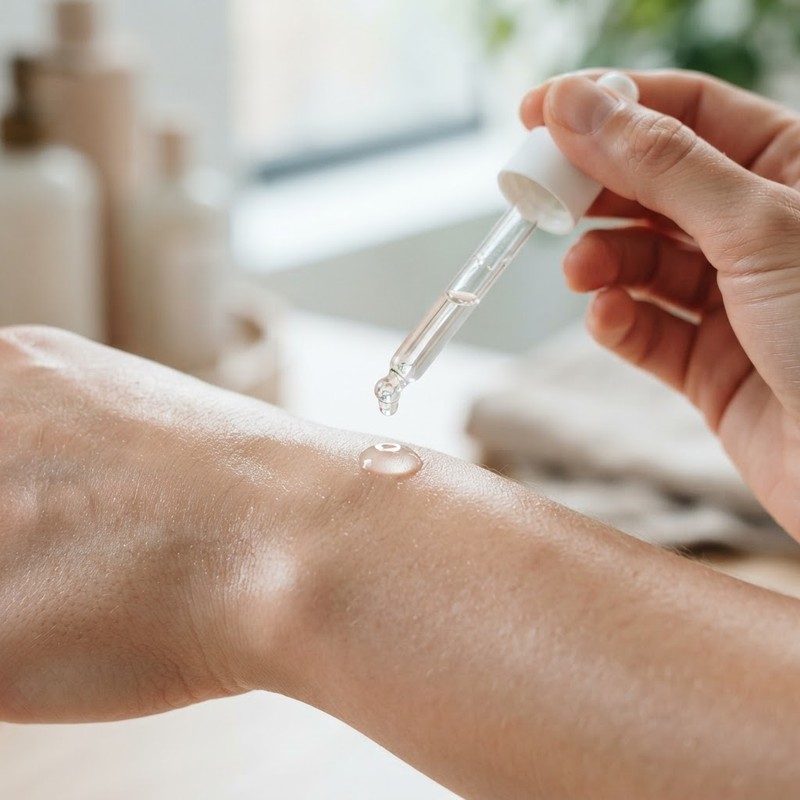
Navigating hair preservation options can feel complex given the range of over-the-counter shampoos, topical solutions, and clinical prescription therapies available today. For decades, topical minoxidil has served as a primary non-invasive option for men addressing male pattern hair loss, medically termed androgenetic alopecia.
Navigating hair preservation options can feel complex given the range of over-the-counter shampoos, topical solutions, and clinical prescription therapies available today. For decades, topical minoxidil has served as a primary non-invasive option for men addressing male pattern hair loss, medically termed androgenetic alopecia. However, ongoing dermatological research highlights a key challenge with standalone topical minoxidil: clinical response rates vary significantly among individuals. To enhance topical delivery and biological activity, clinical researchers have investigated synergistic ingredient combinations. Among the most widely studied innovations in topical hair care is pairing minoxidil with tretinoin—a retinoic acid derivative long established in dermatology.
When formulated into customized topical solutions, tretinoin plays a distinct physiological role in modifying the scalp environment. By promoting epidermal cell turnover and upregulating key follicular enzymes, tretinoin helps address specific cellular barriers that can limit minoxidil uptake and bioactivation. Understanding how these two active compounds interact offers valuable clarity for anyone evaluating modern topical hair solutions. In this comprehensive guide, we examine the underlying follicular science of minoxidil activation, explore how tretinoin alters skin permeability and enzyme expression, and outline key considerations when evaluating multi-ingredient hair care solutions.
Understanding Minoxidil: How the Active Prodrug Works in the Scalp
To appreciate why tretinoin is added to topical formulations, it is useful to understand how minoxidil functions within scalp tissue. Originally developed as an oral antihypertensive medication, minoxidil was observed to encourage hair growth as a secondary biological effect. When applied topically, minoxidil acts as a vasodilator and potassium channel opener, encouraging blood circulation around miniaturized hair follicles. This enhanced microcirculation delivers vital oxygen, micronutrients, and growth factors directly to the hair root, supporting the cellular metabolism required to maintain active growth phases.
However, minoxidil itself is an inactive parent compound—what pharmacologists classify as a prodrug. For minoxidil to exert biological activity on hair follicles, it must undergo a specific biochemical conversion within scalp skin tissue. This transformation is catalyzed by an intracellular enzyme named sulfotransferase, specifically the SULT1A1 isoform located within the outer root sheath of hair follicles. Sulfotransferase attaches a sulfate group to the minoxidil molecule, converting it into active minoxidil sulfate. Minoxidil sulfate then binds to target receptors within the hair follicle to prolong the anagen (growth) phase of the hair cycle and support follicle expansion.
The Challenge of Enzyme Variability in Non-Responders
Because minoxidil relies on follicular sulfotransferase for metabolic activation, individual differences in enzyme levels create noticeable variations in clinical outcomes. Clinical studies evaluating topical minoxidil suggest that a significant proportion of individuals exhibit lower baseline SULT1A1 enzyme activity in their hair follicles. In these individuals, applied minoxidil remains largely in its inactive parent form, leading to modest or negligible changes in hair density despite consistent daily application.
This enzymatic bottleneck explains why standalone minoxidil formulations do not produce uniform outcomes across all users. Historically, individuals who did not respond to standard over-the-counter minoxidil had few non-systemic alternatives. Modern hair science, however, focuses on overcoming this enzymatic limitation by introducing complementary agents capable of boosting follicular sulfotransferase activity directly at the scalp surface, optimizing the local biochemical environment for minoxidil conversion.
The Science of Tretinoin: Upregulating Sulfotransferase and Enhancing Absorption
Tretinoin, or all-trans retinoic acid, is a potent topical retinoid widely recognized in dermatological medicine for managing skin cell renewal and collagen synthesis. When applied to the scalp alongside minoxidil, research indicates tretinoin exerts a dual mechanism of action that addresses skin barrier resistance and metabolic conversion barriers simultaneously.
The primary rationale for pairing tretinoin with minoxidil is its capacity to upregulate sulfotransferase activity within the follicle. Scientific studies demonstrate that topical retinoic acid application stimulates transcription of the SULT1A1 gene within hair follicles. By increasing the concentration of functional sulfotransferase enzymes in the outer root sheath, tretinoin accelerates the conversion of minoxidil into active minoxidil sulfate. In clinical studies, co-application of tretinoin has been observed to help convert initial low-responder profiles into responsive profiles, improving overall therapeutic response in study participants.
Overcoming the Stratum Corneum Barrier
In addition to enzyme upregulation, tretinoin plays a structural role in scalp penetration. The outermost layer of human skin, the stratum corneum, consists of tightly packed dead keratinized cells bonded by intercellular lipids. While this barrier protects against environmental elements and microbial invasion, it also restricts the penetration of topically applied active ingredients into the deeper follicular structures.
Tretinoin normalizes epidermal keratinization and gently exfoliates the stratum corneum, reducing dead cell accumulation on the scalp. By refining this outer barrier, tretinoin facilitates deeper and more uniform transdermal delivery of co-administered active ingredients. Consequently, minoxidil combined with tretinoin may achieve therapeutic tissue levels more efficiently, supporting follicular uptake while maintaining balanced skin tolerability across diverse scalp types.
The 3-in-1 Topical Approach: Combining Minoxidil, Tretinoin, and DHT Blockers
While minoxidil and tretinoin focus on growth phase prolongation and enzyme activation, androgenetic alopecia is fundamentally driven by hormonal factors. In biologically susceptible follicles, circulating testosterone converts into dihydrotestosterone (DHT) via the enzyme 5-alpha reductase. Elevated local DHT binds to androgen receptors in susceptible scalp follicles, leading to progressive follicle miniaturization where hairs become finer, shorter, and less pigmented over successive growth cycles.
To address male pattern hair loss comprehensively, modern clinical approaches often combine three complementary mechanisms into a single customized formulation—frequently referred to as a 3-in-1 topical formula. These compounded solutions bring together:
- Minoxidil: Encourages vascular circulation, opens potassium channels, and prolongs the anagen growth phase.
- Tretinoin: Promotes skin cell turnover, enhances topical absorption, and upregulates SULT1A1 enzyme activity.
- Topical Finasteride or Dutasteride: Inhibits local 5-alpha reductase activity to reduce DHT levels directly around hair follicles.
Understanding Customized Compounded Formulations
It is important to understand the regulatory context of multi-ingredient topical hair products. Standard single-ingredient medications, such as commercial minoxidil solutions or oral finasteride tablets, have separate FDA approvals for specific medical indications. However, customized compounded combination formulas—such as solutions combining minoxidil, tretinoin, and topical finasteride in one application vehicle—are individualized preparations compounded by licensed pharmacies based on a clinician's prescription. Compounded combination medications as finished multi-ingredient products are not FDA-approved, though they are prepared using quality, medical-grade pharmaceutical ingredients.
Customized compounding allows clinicians to adapt ingredient concentrations and vehicle bases for individual patient needs, accommodating sensitive skin profiles. This integrated strategy streamlines daily routines into one application, eliminating the need to layer multiple separate topical products each day.
Scalp Tolerability, Sun Sensitivity, and Application Best Practices
While pairing tretinoin with minoxidil offers pharmacological advantages, introducing a potent retinoid to scalp skin requires proper application techniques and patient awareness. Retinoids can induce transient skin adaptation effects during initial weeks of use, particularly in individuals with sensitive skin or pre-existing scalp dryness.
Common initial reactions may include mild scalp redness, light scaling, flaking, or a mild tingling sensation upon application. These effects reflect accelerated cellular turnover and typically subside as scalp skin adapts to the formula. To support skin comfort and long-term compliance, clinicians frequently recommend a gradual initiation schedule, such as applying the formula every other day for the first two to three weeks before moving to daily application.
Protecting Your Scalp from UV Exposure
A vital consideration when using topical tretinoin is increased sensitivity to ultraviolet (UV) radiation. Because tretinoin thins the protective outer stratum corneum layer, the scalp becomes more sensitive to sun exposure and photo-damage.
Men utilizing topical tretinoin formulas should practice consistent sun protection habits, including:
- Applying a broad-spectrum, non-greasy sunscreen to exposed scalp areas during extended outdoor activity.
- Wearing protective headwear, such as a tightly woven hat or cap, during peak sun hours.
- Applying the topical tretinoin formula in the evening before bed to limit direct daytime sunlight breakdown of retinoic acid.
Maintaining Scalp Barrier Health
Supporting scalp hydration and lipid balance is equally important during topical therapy. Users should avoid harsh, clarifying shampoos or aggressive physical scrubs that can dry out the scalp when paired with active retinoids. Using a mild, hydrating shampoo helps maintain natural skin lipids while keeping the scalp clean. If persistent irritation, redness, or discomfort occurs, consulting the prescribing clinician allows for timely adjustments to formula strength or vehicle selection.
Who Might Benefit and What to Expect During Evaluation
Topical formulas combining minoxidil and tretinoin are generally considered for men experiencing early-to-moderate androgenetic alopecia who seek an integrated, non-invasive treatment routine. They may be particularly relevant for individuals who previously saw limited response with standalone minoxidil or those looking to simplify multi-step hair care routines.
During a telehealth evaluation, a licensed healthcare provider reviews medical history, scalp condition, and thinning patterns. Clinicians also establish realistic expectations and timelines, as hair growth progresses slowly over several months. Shifts in hair texture, shedding stabilization, or density maintenance typically require three to six months of consistent daily application.
Understanding Initial Shedding Phases
When starting a topical formula containing minoxidil and tretinoin, some individuals notice a temporary increase in hair shedding during the first two to six weeks of treatment. This initial shedding phase is a recognized biological response. As active ingredients stimulate dormant follicles, resting (telogen) hairs are shed to allow new, robust (anagen) hairs to grow. Understanding that initial shedding represents a natural growth cycle transition helps patients remain consistent through early treatment stages.
Navigating Your Hair Health Journey with Professional Guidance
Topical hair loss management has advanced significantly beyond standard single-ingredient applications. By pairing tretinoin with minoxidil, clinical formulations utilize retinoic acid science to enhance skin permeability, accelerate cell turnover, and upregulate vital sulfotransferase enzymes required for minoxidil activation. When combined with targeted anti-androgenic agents in customized compounded solutions, men gain access to an integrated topical strategy addressing hair thinning from multiple biological angles.
Because effective hair preservation depends on accurate diagnosis, personalized ingredient selection, and ongoing scalp care, partner with a qualified telehealth provider to explore your options. A licensed clinician can evaluate your scalp health, assess your hair loss pattern, and determine whether a customized topical prescription formula is appropriate for you. Take a proactive step toward supporting your hair density today by visiting EOS Health to explore men's hair loss evaluations at EOS Health and discuss personalized care options with a licensed provider.
Glossary of Hair Care Terms
Sulfotransferase (SULT1A1)
An enzyme expressed in hair follicle outer root sheath cells responsible for converting the prodrug minoxidil into active minoxidil sulfate.
Tretinoin
A vitamin A derivative (all-trans retinoic acid) that promotes epidermal cell turnover, improves skin permeability, and upregulates sulfotransferase enzyme expression.
Prodrug
A compound that is biologically inactive upon administration and requires enzymatic processing within body tissues to convert into its active therapeutic form.
Stratum Corneum
The outermost layer of the epidermis, composed of dead keratinized cells, which functions as the primary barrier to topical drug absorption.
Androgenetic Alopecia
The medical term for hereditary pattern hair loss caused by progressive hair follicle miniaturization in response to localized dihydrotestosterone (DHT).
Sources
faq
Common questions, answered.
Why is tretinoin added to minoxidil hair formulas?
Tretinoin is added to topical minoxidil formulas because research suggests it upregulates the SULT1A1 sulfotransferase enzyme in hair follicles, which converts minoxidil into its active form (minoxidil sulfate). Tretinoin also gently exfoliates the stratum corneum, enhancing transdermal absorption of minoxidil into the scalp.
Is tretinoin alone an effective hair loss treatment?
While tretinoin promotes skin cell turnover and collagen health, it is not typically used as a standalone monotherapy for male pattern hair loss. Its primary value in hair preservation comes from its synergistic ability to optimize scalp absorption and boost enzymatic conversion when paired with active ingredients like minoxidil.
Are compounded minoxidil and tretinoin formulas FDA-approved?
No. Individual active ingredients like minoxidil and tretinoin have separate FDA approvals for specific dermatological uses. However, customized compounded combination formulas prepared by licensed pharmacies for individual patients are not FDA-approved as finished combination products.
Can topical tretinoin cause scalp irritation or flaking?
Yes. Retinoids increase epidermal cell turnover, which can lead to mild scalp dryness, flaking, or temporary redness during initial weeks of use. Clinicians often recommend starting with a gradual application schedule or using mild scalp cleansers to manage early sensitivity.
Does tretinoin make the scalp more sensitive to sunlight?
Yes. Topical tretinoin thins the outermost layer of dead skin cells, making the scalp more susceptible to UV sensitivity. Men using tretinoin formulas should apply sun protection, wear a hat outdoors, or apply their topical formulation in the evening before sleep.
How long does it take to notice changes from combination topical hair formulas?
Because hair growth progresses in multi-month cycles, most clinical study participants and patients notice initial changes after three to six months of consistent daily use. Individual response rates and timelines vary depending on genetics, hair loss stage, and adherence.
Why might temporary shedding occur when starting this formula?
Temporary shedding within the first two to six weeks occurs as hair follicles transition from the resting (telogen) phase into an active growth (anagen) phase. Old, miniaturized hair shafts are shed to make way for healthier growing hairs. This transition is expected and typically resolves with continued use.
Do I need a prescription for a tretinoin and minoxidil combination formula?
Yes. Formulas containing retinoic acid (tretinoin) and prescription-strength anti-androgens require a medical evaluation and valid prescription from a licensed healthcare provider, who can confirm whether the formula is appropriate for your scalp health and medical background.
Take your health off the back burner.™
Start free consultationwhat are you waiting for?
You're one click away from a new you.
Fill out our brief form and a licensed physician will evaluate which treatment plan is best for you.