What Triggers Hot Flashes at Night?
Learn the common triggers for nighttime hot flashes and night sweats, from dietary and environmental factors to stress and medications.
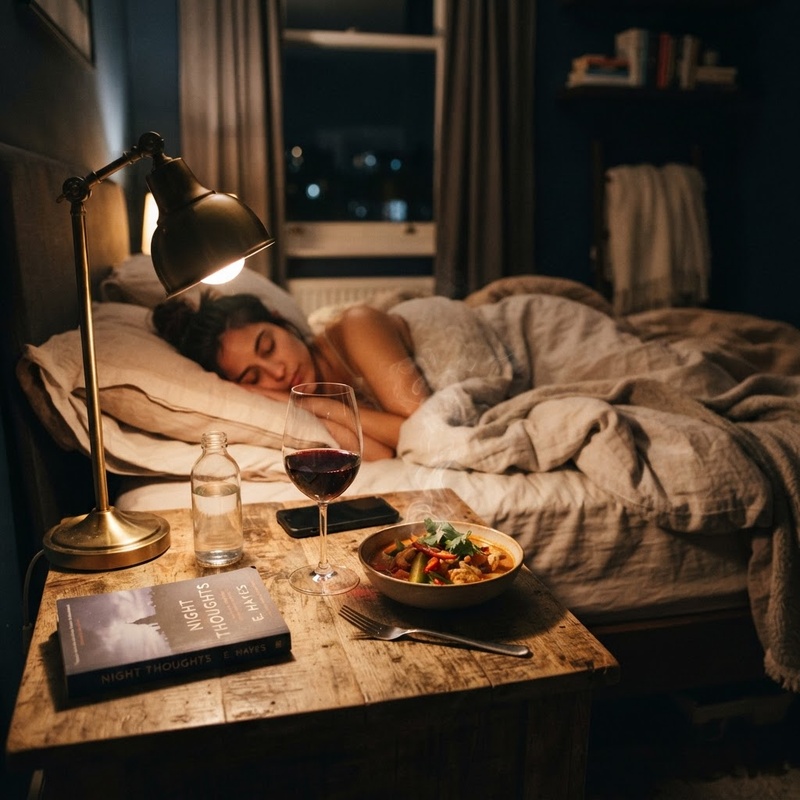
Nighttime hot flashes, or night sweats, can be especially frustrating because they disrupt sleep and leave you feeling exhausted the next day. Identifying your personal triggers is one of the most effective ways to reduce their frequency and get better rest.
Nighttime hot flashes, or night sweats, can be especially frustrating because they disrupt sleep and leave you feeling exhausted the next day. Identifying your personal triggers is one of the most effective ways to reduce their frequency and get better rest.
Dietary Triggers
Alcohol is one of the most common triggers for nighttime hot flashes. While a glass of wine may help you relax initially, alcohol raises body temperature and can trigger night sweats hours later. Many women find that avoiding alcohol in the evening significantly reduces nighttime episodes.
Caffeine consumed in the afternoon or evening can also contribute. Caffeine has a half-life of several hours, meaning that afternoon coffee can still be affecting your body at bedtime. If you are struggling with night sweats, try cutting off caffeine by early afternoon.
Spicy foods and heavy meals close to bedtime can raise your core body temperature and trigger hot flashes. Try to eat your last meal at least three hours before bed, and avoid particularly spicy dishes in the evening.
Environmental Triggers
A warm bedroom is a primary environmental trigger. Your body temperature naturally drops as you sleep, but a room that is too warm prevents this natural cooling and can trigger night sweats. Aim for a bedroom temperature between 60 and 67 degrees Fahrenheit.
Heavy, non-breathable bedding traps heat and moisture, creating an environment that encourages night sweats. Choose lightweight, breathable fabrics like cotton, bamboo, or linen for sheets and blankets.
Heated mattresses, electric blankets, and warm sleepwear can all trigger nighttime hot flashes. If you need warmth when you first get into bed, consider a warm — not hot — water bottle that you remove before falling asleep.
Emotional and Stress Triggers
Stress accumulated throughout the day can manifest as night sweats. When your body is in a state of heightened alert, it remains more reactive to temperature changes even during sleep. This is why a stressful day often leads to a restless night.
Anxiety specifically about nighttime hot flashes can create a self-fulfilling prophecy. The fear of waking up sweating keeps your nervous system on high alert, which actually makes hot flashes more likely.
Incorporating stress reduction practices into your evening routine — meditation, deep breathing, gentle stretching — can help calm your nervous system and reduce the likelihood of stress-triggered night sweats.
Medication and Health Factors
Certain medications can contribute to night sweats. Some antidepressants, blood pressure medications, and diabetes medications list night sweats as a side effect. If you have started a new medication and noticed an increase in night sweats, discuss it with your provider.
Thyroid disorders can cause night sweats that mimic those of perimenopause. If your night sweats are severe or accompanied by other symptoms like weight changes or heart palpitations, having your thyroid function checked is worthwhile.
Other health conditions, including infections and certain autoimmune disorders, can also cause night sweats. If your night sweats are new, severe, or accompanied by other concerning symptoms, consult a healthcare provider.
When to Talk to a Healthcare Provider
Identifying your personal nighttime hot flash triggers is the first step toward better sleep. Visit EOS Health to connect with a clinician who can help you develop a targeted plan.
Glossary
Night Sweats: Hot flashes that occur during sleep, causing intense heat and perspiration that disrupt sleep quality.
Dietary Triggers: Foods and beverages that can trigger nighttime hot flashes, including alcohol, caffeine, and spicy foods.
Sleep Environment: The temperature, bedding, and atmosphere of your bedroom, which can trigger or prevent night sweats.
Cortisol: The body's stress hormone, which can keep the nervous system reactive during sleep and contribute to nighttime hot flashes.
Sources
faq
Common questions, answered.
What are the most common triggers for night sweats?
Common triggers include alcohol, caffeine, spicy foods, warm bedroom temperatures, heavy bedding, stress, anxiety, and certain medications. Identifying your personal triggers can help you reduce nighttime hot flashes.
Does alcohol cause night sweats?
Yes, alcohol is a common trigger for nighttime hot flashes. It raises body temperature and can trigger night sweats hours later. Avoiding alcohol in the evening can significantly reduce nighttime episodes.
Can caffeine at night cause hot flashes?
Yes, caffeine has a long half-life and can affect your body for hours. If you struggle with night sweats, try cutting off caffeine by early afternoon to reduce nighttime episodes.
What temperature should my bedroom be to prevent night sweats?
Aim for a bedroom temperature between 60 and 67 degrees Fahrenheit. A cool room is one of the most effective strategies for reducing nighttime hot flashes.
Can stress cause night sweats?
Yes, accumulated stress keeps your nervous system on high alert, making your body more reactive to temperature changes during sleep. Evening relaxation practices can help reduce stress-triggered night sweats.
Can medications cause night sweats?
Yes, certain medications including some antidepressants, blood pressure medications, and diabetes medications can cause night sweats. If you noticed night sweats after starting a new medication, discuss it with your healthcare provider.
Should I see a doctor about night sweats?
If night sweats are new, severe, accompanied by other symptoms, or interfering with your sleep and quality of life, it is worth consulting a healthcare provider. They can help determine the cause and recommend management strategies.
Can spicy food trigger night sweats?
Yes, spicy foods raise body temperature and can trigger hot flashes, particularly when eaten close to bedtime. Try to eat your last meal at least three hours before bed and avoid spicy dishes in the evening.
You deserve to feel this way.™
Start free consultationwhat are you waiting for?
You're one click away from a new you.
Fill out our brief form and a licensed physician will evaluate which treatment plan is best for you.