VO2 Max: Why Cardiorespiratory Fitness Matters for Healthy Aging
Discover why VO2 max and cardiorespiratory fitness are key markers for healthy aging. Explore practical ways to support aerobic health with EOS Health.
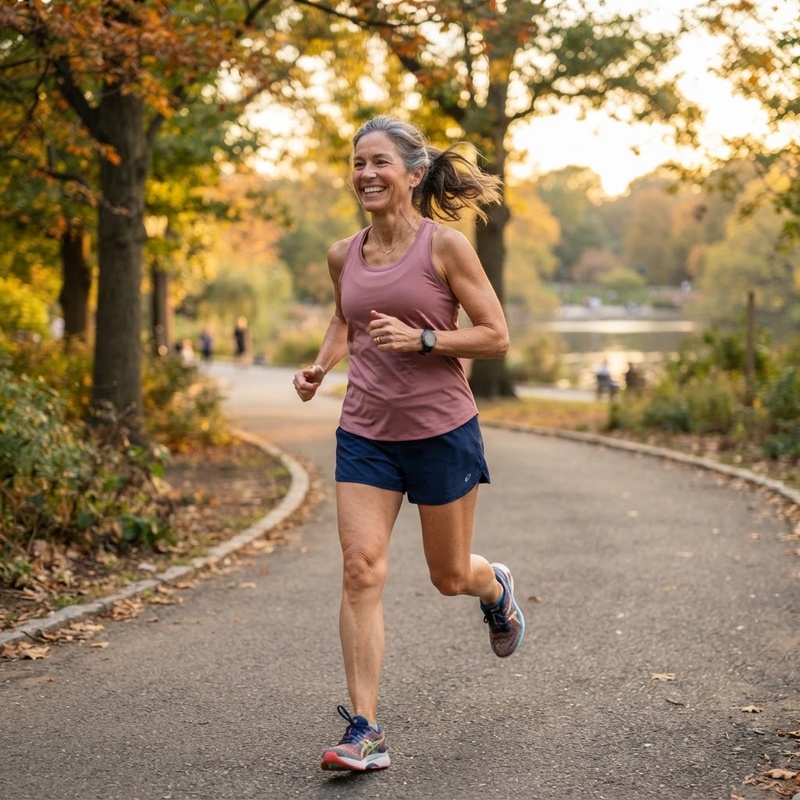
As research into longevity and healthy aging continues to evolve, health professionals and researchers increasingly look beyond single traditional health markers like resting blood pressure or baseline cholesterol to evaluate overall physiological resilience. Among the various metrics used to assess long-term wellness and functional vitality, cardiorespiratory fitness—often quantified through VO2 max—stands out as one of the most informative indicators of systemic health. Understanding what VO2 max represents and how aerobic capacity influences physiological function across the lifespan can empower individuals to make informed choices that support long-term wellbeing.
As research into longevity and healthy aging continues to evolve, health professionals and researchers increasingly look beyond single traditional health markers like resting blood pressure or baseline cholesterol to evaluate overall physiological resilience. Among the various metrics used to assess long-term wellness and functional vitality, cardiorespiratory fitness—often quantified through VO2 max—stands out as one of the most informative indicators of systemic health. Understanding what VO2 max represents and how aerobic capacity influences physiological function across the lifespan can empower individuals to make informed choices that support long-term wellbeing.
At EOS Health, our clinical philosophy centers on proactive care, individual empowerment, and evidence-informed wellness strategies. Cardiorespiratory capacity is not merely a stat for competitive endurance athletes; it is a fundamental pillar of everyday vitality, energy, stamina, and physical independence. In this comprehensive overview, we explore what VO2 max is, why health scientists treat cardiorespiratory fitness as a critical marker of healthy aging, how aerobic capacity naturally shifts over time, and practical, structured approaches to building and maintaining cardiovascular stamina at any stage of adult life.
Understanding VO2 Max: What Is Cardiorespiratory Fitness?
In plain language, VO2 max refers to the maximum volume of oxygen your body can take in, transport, and effectively utilize during maximal physical exertion. The letter "V" stands for volume, "O2" represents oxygen gas, and "max" denotes maximum capacity. Measured typically in milliliters of oxygen consumed per kilogram of body weight per minute (mL/kg/min), this metric provides a vital window into the integrated efficiency of multiple organ systems working simultaneously under physical demand.
To appreciate VO2 max, it helps to trace the journey oxygen takes through the body during aerobic activity. When engaging in exercise—such as brisk walking, swimming, cycling, or climbing stairs—the body's demand for oxygen increases significantly. The process involves several key physiological systems working in tandem:
- The Respiratory System: The lungs inhale oxygen from surrounding air and transfer it across delicate alveolar membranes into the bloodstream. Healthy lung tissue facilitates gas exchange.
- The Cardiovascular System: The heart circulates oxygen-rich blood through a vast network of blood vessels. Stroke volume and cardiac output play pivotal roles in delivery capacity.
- The Vascular Network: Arteries and capillaries dilate, routing oxygenated blood directly to active skeletal muscle tissues while regulating vascular resistance.
- The Cellular & Mitochondrial Engine: Within working muscle cells, microscopic powerhouses called mitochondria utilize oxygen to synthesize adenosine triphosphate (ATP), the energy currency required for cellular work.
Because VO2 max relies on the seamless coordination of the lungs, heart, blood vessels, and cellular mitochondria, it serves as an integrative summary of overall cardiorespiratory and metabolic health. A higher cardiorespiratory fitness level indicates that these integrated systems operate with efficiency under stress, correlating with greater physiological reserve in daily living.
Why Researchers View VO2 Max as a Key Marker of Healthy Aging
Over past decades, extensive epidemiological studies and clinical research trials have underscored the strong association between cardiorespiratory fitness and long-term health outcomes. Health researchers and longevity specialists increasingly regard VO2 max not just as a performance metric, but as an essential biomarker of physiological age and structural resilience.
Cardiorespiratory Capacity and Systemic Vitality
Cardiorespiratory fitness reflects the body's baseline ability to deliver fuel to active tissues and manage systemic physical stress. Higher levels of aerobic fitness are associated with favorable vascular function, arterial flexibility, and healthy blood pressure regulation. Furthermore, regular aerobic challenge helps maintain mitochondrial density and efficiency within skeletal muscle, supporting healthy glucose metabolism and insulin sensitivity.
Studies indicate that individuals with higher cardiorespiratory capacity tend to maintain greater functional independence as they grow older. Tasks of daily living—such as carrying groceries, navigating stairs, traveling, or participating in active family hobbies—require a baseline level of aerobic energy. When cardiorespiratory reserve is well-maintained, everyday activities place a smaller relative stress on the cardiovascular system, helping daily movement feel more manageable and sustainable over time.
Supporting Cellular Health and Stress Tolerance
At the microscopic cellular level, cardiorespiratory exercise stimulates biochemical pathways that encourage cellular maintenance and mitochondrial biogenesis—the creation of new, efficient mitochondria. This ongoing cellular renewal supports metabolic flexibility, enabling cells to shift effectively between burning carbohydrates and fatty acids for fuel. Research suggests that maintaining mitochondrial quality is a crucial component of supporting healthy aging across diverse body tissues, including skeletal muscle, cardiac tissue, and neural structures.
Additionally, exercise that challenges the cardiovascular system promotes the systemic release of beneficial signaling proteins known as myokines. These signaling molecules contribute to favorable metabolic balance, support joint comfort, and help maintain a healthy internal physical environment. Consequently, maintaining aerobic capacity offers protective biological benefits extending far beyond physical exercise performance alone.
How Cardiorespiratory Capacity Changes Across the Lifespan
It is natural for physiological parameters to experience gradual shifts across different decades of life. On average, unconditioned adults experience a gradual decline in VO2 max of approximately 8% to 10% per decade after reaching age 30. However, understanding the underlying mechanisms of this shift reveals that lifestyle factors play a major role in determining both the rate and extent of change.
Physiological Factors Behind Age-Related Shifts
Several age-related biological mechanisms contribute to the gradual reduction in peak aerobic capacity over time:
- Maximum Heart Rate: Maximum heart rate naturally undergoes a slow, gradual decrease with advancing age due to intrinsic changes in cardiac electrical conduction and autonomic nervous system responsiveness.
- Stroke Volume and Cardiac Compliance: Subtle shifts in heart muscle compliance and ventricular filling can lead to modest reductions in stroke volume during peak physical exertion.
- Arterial Flexibility: Blood vessels naturally experience subtle structural changes over time, which can modestly increase peripheral resistance during physical activity.
- Skeletal Muscle and Mitochondrial Density: Age-associated changes in skeletal muscle mass and mitochondrial enzyme activity can alter muscle tissue efficiency in extracting and utilizing delivered oxygen.
The Impact of Consistent Physical Activity
While some degree of physiological shift is part of normal human biology, research consistently demonstrates that regular physical activity can substantially influence the trajectory. Individuals who maintain consistent cardiorespiratory exercise routines often experience a significantly slower rate of decline—frequently reducing typical decadal fitness loss by half or more.
More importantly, initiating an appropriate exercise program at any point in adulthood can stimulate positive cardiorespiratory adaptations. Clinical studies involving previously sedentary older adults show that structured aerobic training can yield measurable improvements in cardiorespiratory stamina and functional endurance. This physiological plasticity highlights that the human body retains its ability to adapt and enhance cardiorespiratory function across all stages of life.
Practical Strategies to Support Aerobic Fitness at Any Age
Improving or maintaining cardiorespiratory fitness does not require exhausting daily workouts or extreme training regimens. Exercise science emphasizes a balanced, structured framework that combines low-intensity foundational movement with occasional higher-intensity challenges, supported by adequate rest, proper nutrition, and medical guidance.
1. Zone 2 Training: Building the Aerobic Base
Zone 2 training refers to low-intensity, steady-state aerobic activity where heart rate remains at approximately 60% to 70% of estimated maximum. At this level of effort, individuals can carry on a conversation in full sentences without feeling excessively breathless (often referred to as the "conversational pace"). Examples of Zone 2 activities include brisk walking, cycling on flat terrain, easy swimming, or using an elliptical machine at a steady rhythm.
Zone 2 exercise offers unique advantages for supporting healthy aging:
- Mitochondrial Development: Zone 2 activity specifically recruits slow-twitch muscle fibers, providing optimal stimulus for mitochondrial growth, capillary density expansion, and fat oxidation efficiency.
- Manageable Physical Strain: Because intensity remains moderate, Zone 2 exercise places manageable stress on joints, tendons, and the cardiovascular system, making it suitable and sustainable for frequent practice.
- Consistency Foundation: Accumulating 150 to 300 minutes per week of Zone 2 training provides a solid foundation for overall cardiovascular wellness and stamina.
2. High-Intensity Interval Training (HIIT): Stimulating Peak Capacity
While Zone 2 exercise establishes the aerobic foundation, periodic higher-intensity efforts provide the necessary stimulus to encourage improvements in peak cardiac output and VO2 max. High-intensity interval training involves brief periods of higher effort (such as 30 to 60 seconds of vigorous cycling or incline walking) followed by dedicated recovery periods of lower intensity.
Research suggests that incorporating structured interval sessions 1 to 2 times per week can support cardiorespiratory adaptation and oxygen transport efficiency. However, because higher-intensity efforts place greater mechanical and cardiovascular demands on the body, progression should always be gradual, individualized, and carefully monitored.
3. Daily Non-Exercise Movement
While structured exercise workouts are valuable, routine daily physical movement—often categorized as Non-Exercise Activity Thermogenesis (NEAT)—plays an essential complementary role. Activities such as taking stairs, walking during phone conversations, tending a garden, and engaging in active hobbies help maintain circulation, encourage joint mobility, and support daily energy expenditure.
4. Combining Aerobic Work with Resistance Training
Although aerobic exercise focuses primarily on heart and lung capacity, resistance training serves as an indispensable supporting partner. Building and preserving muscle mass provides structural stability needed to engage in cardiorespiratory activities safely and comfortably. Stronger leg muscles, core stability, and upper body support improve movement economy, allowing individuals to walk, cycle, or climb stairs with lower energy expenditure.
Essential Safety Considerations and Medical Clearance
Prior to starting a new exercise routine or increasing the intensity of an existing workout program—particularly when introducing high-intensity intervals—obtaining medical clearance from a licensed healthcare provider is an essential safety precaution. Individual health histories, cardiovascular risk factors, joint considerations, and current medications must be evaluated to ensure that exercise recommendations align safely with personal baseline health.
A licensed clinician can help tailor activity recommendations to unique physiological needs, establishing appropriate intensity guidelines and heart rate targets. Furthermore, remaining attentive to body signals—such as unusual fatigue, joint soreness, chest discomfort, shortness of breath, or lightheadedness—is crucial for preventing overexertion and supporting long-term, injury-free consistency.
A safe, effective approach to cardiorespiratory fitness prioritizes step-by-step progression and long-term sustainability over sudden, extreme efforts. Adequate rest, quality sleep, proper hydration, and balanced nutrition provide the body with fundamental resources required to adapt, recover, and thrive.
Taking Next Steps Toward Lifelong Vitality
Cardiorespiratory fitness is far more than a laboratory metric or athletic performance score. It represents a vital connection between the heart, lungs, circulatory system, and cellular metabolism—a cornerstone of everyday energy and long-term vitality. By understanding how VO2 max reflects physiological reserve, individuals can take purposeful, informed steps toward supporting healthy aging and maintaining physical independence throughout life.
Whether seeking to establish a new foundational walking routine or looking to refine an existing fitness strategy, personalized clinical guidance ensures the path is safe, structured, and tailored to individual goals. At EOS Health, our clinical team delivers comprehensive, telehealth-based care designed to empower individuals at every stage of their health journey.
To explore how clinical evaluation and personalized health planning can support long-term wellness goals, learn more about our dedicated offerings at EOS Health Longevity Care today.
Cardiorespiratory Fitness
The ability of the circulatory and respiratory systems to supply oxygen to skeletal muscles during sustained physical activity.
VO2 Max
The maximum rate of oxygen consumption measured during incremental exercise, expressed in mL/kg/min.
Zone 2 Training
Low-intensity, steady-state aerobic exercise conducted at roughly 60% to 70% of maximum heart rate, promoting mitochondrial efficiency and endurance.
Mitochondria
Microscopic organelle structures within cells responsible for generating adenosine triphosphate (ATP) through oxygen-dependent cellular respiration.
Stroke Volume
The volume of blood pumped out of the left ventricle of the heart during each systolic cardiac contraction.
Sources
faq
Common questions, answered.
What does VO2 max actually measure?
VO2 max measures the maximum volume of oxygen (in milliliters) that your body can absorb, transport, and utilize per kilogram of body weight per minute during peak physical exertion. It reflects the combined efficiency of your lungs, heart, circulatory system, and cellular mitochondria working under load.
How is VO2 max tested in clinical or laboratory settings?
In formal testing environments, VO2 max is assessed using a graded exercise test on a treadmill or stationary bicycle while wearing a specialized facemask that measures inhaled and exhaled oxygen and carbon dioxide concentrations as exercise intensity progressively increases.
Can cardiorespiratory fitness be estimated without laboratory equipment?
Yes. Many modern smartwatches and clinical field tests (such as timed walking or step tests) use algorithms based on heart rate, age, sex, and walking speed to provide reasonable estimates of cardiorespiratory capacity for everyday fitness monitoring.
How quickly can cardiorespiratory fitness improve with regular exercise?
Initial physiological adaptations can begin within 4 to 8 weeks of consistent aerobic training. Individual response rates depend on baseline fitness, exercise frequency, intensity, age, and individual genetic factors.
Is VO2 max important for individuals who are not competitive athletes?
Yes. Cardiorespiratory capacity provides a foundational buffer of energy for daily life activities like walking, carrying loads, climbing stairs, and maintaining vitality, making it a valuable health marker for non-athletes as well.
Does gender or biological sex influence baseline VO2 max levels?
On average, males tend to have higher absolute VO2 max values due to higher average muscle mass, hemoglobin concentrations, and cardiac chamber sizes. However, both men and women experience similar relative improvements in cardiorespiratory fitness with structured exercise.
How does exercise intensity affect aerobic adaptations?
Moderate-intensity exercise (Zone 2) builds foundational capillary density and mitochondrial efficiency with low joint strain, while higher-intensity interval training stimulates peak cardiac output and maximal oxygen delivery.
What role does strength training play alongside cardiorespiratory exercise?
Resistance training preserves muscle mass, improves movement economy, and protects joint integrity, making it easier and safer to participate in consistent cardiorespiratory activities over the long term.
Invest in the years ahead.™
Start free consultationwhat are you waiting for?
You're one click away from a new you.
Fill out our brief form and a licensed physician will evaluate which treatment plan is best for you.