Walking After Meals: The Case for the Post-Dinner Stroll
Discover how gentle walking after meals supports steady glucose patterns and metabolic health. Learn practical tips for building a daily post-dinner stroll.
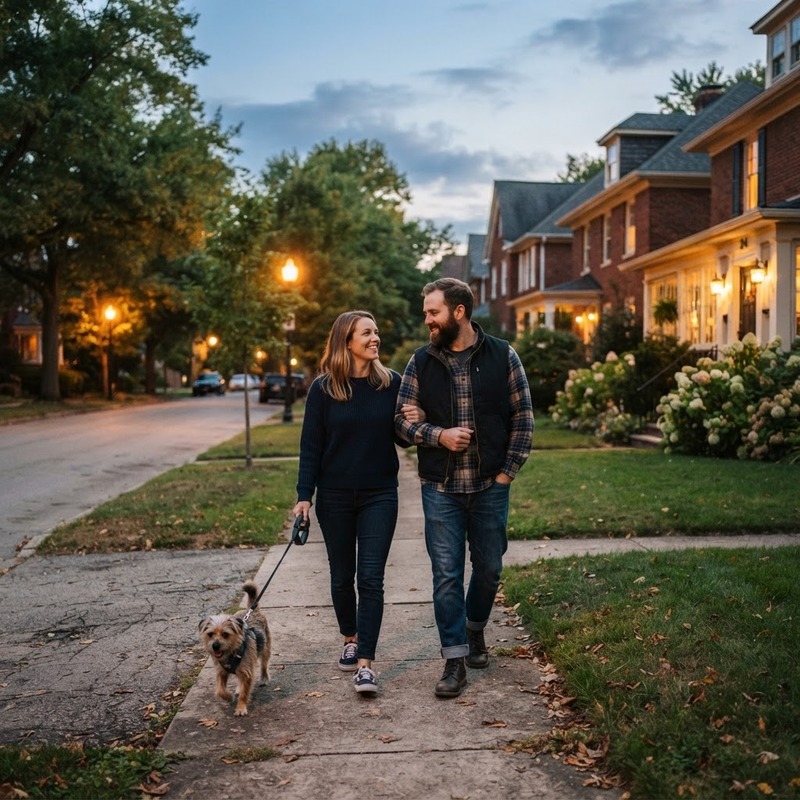
For generations, cultures across the globe have cherished the simple ritual of a post-dinner walk. In Italy, it is celebrated as the passeggiata—a leisurely evening stroll through cobblestone streets where neighbors connect and the day unwinds naturally. In many contemporary households, however, post-meal habits have shifted toward immediate sedentary rest, moving straight from the dining table to the couch. While relaxing after a meal feels comfortable, a growing body of metabolic research highlights how brief, light physical activity shortly after eating offers significant support for overall metabolic health.
For generations, cultures across the globe have cherished the simple ritual of a post-dinner walk. In Italy, it is celebrated as the passeggiata—a leisurely evening stroll through cobblestone streets where neighbors connect and the day unwinds naturally. In many contemporary households, however, post-meal habits have shifted toward immediate sedentary rest, moving straight from the dining table to the couch. While relaxing after a meal feels comfortable, a growing body of metabolic research highlights how brief, light physical activity shortly after eating offers significant support for overall metabolic health.
Metabolic wellness is not built solely through grueling gym workouts or extreme fitness regimens. In fact, small and consistent daily movements often play a vital role in long-term health maintenance. Taking a brief, relaxed walk after eating—particularly after dinner, which is often the largest meal of the day—activates key physiological processes that assist in smoothing out post-meal glucose fluctuations. This article explores the physiological mechanisms behind post-meal movement, reviews what clinical research indicates about ideal timing and duration, and offers practical guidance to help you integrate an enjoyable post-dinner stroll into your daily routine.
The Physiology of Post-Meal Movement
To understand why walking after meals is so beneficial, it is helpful to look at how the human body processes nutrients following a meal. When food containing carbohydrates is digested, enzymes break down complex sugars into glucose, which enters the bloodstream. This surge in circulating glucose is known as postprandial glucose.
Under typical conditions, the pancreas responds to rising blood sugar by secreting insulin. Insulin acts as a molecular key, signaling cells—especially skeletal muscle and liver cells—to absorb glucose from the blood for energy production or glycogen storage. Skeletal muscle accounts for the vast majority of post-meal glucose disposal in human physiology.
When skeletal muscles contract during walking, a remarkable mechanism is triggered. Muscle contractions stimulate specialized glucose transport proteins, known as GLUT4 transporters, to move from internal cellular stores directly to the muscle cell membrane. Crucially, this process occurs independently of insulin signaling—a pathway termed non-insulin-mediated glucose uptake.
By engaging large muscle groups in the legs, such as the quadriceps, hamstrings, and gluteal muscles, gentle walking allows working tissues to clear glucose from the bloodstream rapidly. Increased blood flow to active muscles also enhances capillary perfusion, ensuring that glucose and oxygen are efficiently delivered to muscle cells. This active uptake supports steady glucose curves, reducing the peak height of post-meal glucose spikes and easing the metabolic demand placed on pancreatic insulin production.
What Research Indicates About Timing and Duration
A common misconception is that physical activity must be intense or prolonged to yield meaningful metabolic support. Clinical studies evaluating postprandial exercise show that even short bursts of low-intensity movement can exert a positive influence on blood sugar dynamics.
Insights from published clinical research highlight key considerations for timing and duration:
- Optimal Window for Movement: Research suggests that beginning a walk within 30 to 45 minutes after completing a meal yields favorable outcomes. This timeframe aligns with the natural peak of postprandial glucose absorption in most individuals.
- Duration and Consistency: Clinical trials indicate that brief 10- to 15-minute walks after main meals can be remarkably effective. Consistent short walks taken throughout the week often provide more sustainable support than an isolated, long workout session.
- Light Pacing vs. Vigorous Effort: Surprisingly, gentle to moderate walking often yields smoother glucose patterns than high-intensity exertion immediately after eating. Strenuous exercise right after a meal can sometimes induce a stress response, releasing adrenaline and cortisol that may temporarily raise blood sugar.
- Standing vs. Walking: While standing after a meal offers clear benefits compared to remaining seated, active walking engages rhythmic muscle contractions that draw significantly more glucose into skeletal muscle cells.
Continuous glucose monitoring (CGM) observational studies frequently demonstrate that individuals who break up post-meal sitting with short walks display fewer sharp peaks and dips in their daily glycemic profiles. These findings emphasize that supporting metabolic health is widely accessible. A gentle stroll around your neighborhood or pacing through your home provides meaningful physiological engagement without causing physical fatigue.
Beyond Glucose: Digestion, Sleep, and Stress Management
Although blood glucose support is a primary focus of metabolic science, the advantages of a post-dinner stroll span several interconnected areas of physical and mental well-being.
Gastrointestinal Motility and Comfort
Light physical activity stimulates gastric motility—the natural muscular contractions that move food through the digestive tract. Studies show that gentle movement after meals can support efficient stomach emptying, which may help alleviate common post-meal discomforts such as bloating or excessive fullness. Remaining upright during a post-dinner walk also helps minimize acid reflux by encouraging stomach contents to remain in the stomach.
Parasympathetic Activation and Sleep Quality
The transition from a busy day to evening rest is often hindered by elevated stress hormones. Taking a slow, mindful walk in the evening helps transition the nervous system into a parasympathetic state—often referred to as the "rest and digest" mode. Exposure to evening ambient air and light, combined with gentle movement, signals to the brain that the day is winding down, supporting healthy circadian rhythms and restful sleep patterns.
Mental Clarity and Psychological Boundaries
An evening stroll creates a clear psychological buffer between the workday and personal relaxation time. Stepping away from screens allows for mental decompression, mood elevation, and quiet reflection. Many people find that this daily habit fosters mental clarity and offers a refreshing pause before bedtime.
Practical Strategies to Build a Daily Post-Meal Habit
Integrating a post-dinner stroll into your schedule does not require drastic lifestyle overhauls. Small, practical adjustments can help establish a lasting habit that feels natural and enjoyable.
1. Implement Habit Stacking
Habit stacking connects a new activity to an existing daily routine. For example, pair your post-dinner walk with clearing the table. Once dinner dishes are placed in the sink, use that moment as your cue to put on walking shoes and step outside for ten minutes. Over time, the association becomes second nature.
2. Connect with Family or Friends
Make your post-dinner walk a social ritual by inviting family members, partners, or roommates to join you. This provides a dedicated, screen-free time to catch up on the day's events. If walking with others in person is not feasible, consider catching up with a friend over the phone or listening to an engaging podcast or audiobook.
3. Adapt for Indoor and Workspace Environments
Weather conditions or evening commitments do not need to pause your routine. Indoor walking options—such as pacing through your home, stepping on a mini walking pad, following a low-impact indoor walk video, or tidying up around the house—provide effective muscle activation. Following workday lunches, consider turning one-on-one meetings into walking catch-ups.
4. Prioritize Consistency Over Distance
Focus on establishing the habit rather than tracking distance or speed. Starting with a modest goal of five to ten minutes makes the routine achievable even on busy days. As the habit solidifies, you can naturally extend your walks based on your schedule and comfort level.
Accessibility and Personalization for All Fitness Levels
A key attribute of post-meal walking is its universal accessibility. Gentle movement requires no special equipment, athletic training, or high baseline cardiovascular fitness, making it suitable for individuals of varying physical capabilities.
For those managing joint discomfort or mobility considerations, walking on flat, paved surfaces, choosing cushioned shoes, or using walking poles can enhance stability and comfort. Indoor water walking or seated leg movements can also provide valuable muscle stimulation for individuals with significant weight-bearing constraints.
Because individual metabolic responses vary based on genetics, baseline health, dietary composition, and daily activity levels, observing how your body feels after post-meal movement can provide useful personal insights. Paying attention to your energy levels, digestive comfort, and daily patterns helps tailor your routine to your individual needs.
Supporting Your Comprehensive Metabolic Journey
A post-dinner stroll is a practical, evidence-based habit that contributes meaningfully to metabolic wellness. However, long-term health is best supported through a holistic approach that integrates balanced nutrition, regular movement, restorative sleep, stress management, and expert clinical guidance.
At EOS Health, we are dedicated to helping individuals understand and navigate their metabolic health through evidence-informed care and personalized clinical support. Whether you want to support steady glucose patterns, boost overall vitality, or explore comprehensive metabolic weight management solutions, working with a healthcare professional ensures your plan is tailored safely to your unique background. We encourage consulting a licensed clinician for personalized guidance and lab interpretation to support your ongoing health journey.
Postprandial Glucose
The level of glucose circulating in the blood during the period immediately following a meal, typically observed over the subsequent two hours.
GLUT4 Transporter
A specialized protein that transfers glucose across cell membranes into skeletal muscle and adipose tissue. Muscle contractions during walking trigger GLUT4 activity independently of insulin.
Non-Insulin-Mediated Glucose Uptake
The physiological process by which active muscles pull glucose from the blood during movement without relying on elevated insulin levels.
Gastric Motility
The rhythmic muscular contractions of the stomach and intestines that mix and propel food through the digestive tract.
Glycemic Variability
The magnitude of fluctuations in blood sugar levels throughout the day, including post-meal spikes and subsequent baseline returns.
Sources
faq
Common questions, answered.
How soon after finishing a meal should I begin walking?
Clinical studies suggest that starting a walk within 30 to 45 minutes after finishing a meal aligns closely with the peak rise in postprandial glucose. However, moving anytime within an hour of eating still provides meaningful metabolic and digestive support.
How long should a post-meal walk be to provide support?
Research indicates that even brief 10- to 15-minute walks can effectively support steady glucose patterns. While longer walks offer broader cardiovascular benefits, short and consistent walks are easy to maintain daily.
Is walking after dinner more effective than walking after other meals?
Walking after any main meal helps facilitate glucose uptake. However, dinner is frequently the largest meal of the day and is often followed by prolonged sitting, making an evening walk particularly helpful for balancing post-meal glucose patterns.
What pace is best for a post-meal walk?
A light to moderate pace is recommended. Strenuous or high-intensity exercise directly after eating may cause digestive discomfort and could trigger stress hormones that temporarily elevate blood sugar, whereas gentle walking encourages steady muscle glucose uptake without physical strain.
What if outdoor walking is not possible due to weather?
Indoor alternatives like pacing through your home, using a treadmill or walking pad, climbing stairs gently, or doing light household chores like folding laundry provide comparable muscle engagement and glucose utilization.
Can standing after meals substitute for walking?
Standing is preferable to sitting still and engages core muscles, but walking is more effective because rhythmic muscle contractions significantly increase GLUT4 transporter activity and non-insulin-mediated glucose uptake.
Is post-meal walking safe for people with joint pain or mobility limits?
Yes. Walking can be modified to fit individual physical needs by choosing smooth surfaces, wearing supportive footwear, walking at a relaxed pace, or using mobility devices. Consulting a healthcare professional can help tailor movement recommendations to individual physical needs.
How does post-meal walking fit into a broader health plan?
Post-meal walking serves as an accessible daily habit that complements nutritional care, exercise, and medical management. For personalized advice and lab interpretation, consulting a qualified clinician helps build a complete metabolic strategy.
Ready to feel like yourself again.™
Start free consultationwhat are you waiting for?
You're one click away from a new you.
Fill out our brief form and a licensed physician will evaluate which treatment plan is best for you.