What Foods Are Bad for Estrogen? Dietary Considerations
Curious about how diet affects estrogen levels? Learn which foods may influence estrogen metabolism and what to eat for hormonal balance.
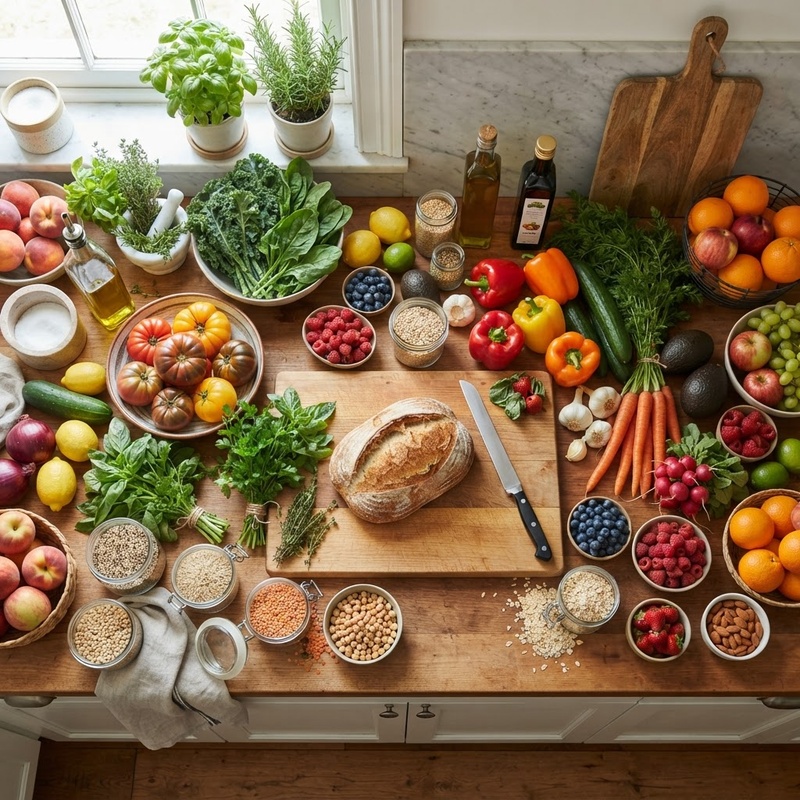
The relationship between diet and estrogen is more complex than the simple "eat this, avoid that" lists that circulate online suggest.
What Foods Are Bad for Estrogen? Dietary Considerations
The relationship between diet and estrogen is more complex than the simple "eat this, avoid that" lists that circulate online suggest. No single food dramatically raises or lowers estrogen in a way that would significantly affect your hormonal health. However, certain dietary patterns can influence estrogen metabolism, and understanding these can help you make informed choices that support hormonal balance.
Foods That May Influence Estrogen
Let's address the foods most commonly discussed in relation to estrogen, separating the science from the speculation.
Soy Products
Soy is perhaps the most debated food in relation to estrogen. It contains isoflavones, which are phytoestrogens (plant compounds with weak estrogen-like activity). However, phytoestrogens are much weaker than the estrogen your body produces.
The research on soy and estrogen is actually reassuring. Moderate soy consumption from whole food sources like tofu, tempeh, and edamame appears to be safe and may even have beneficial effects. The concern about soy "disrupting" estrogen comes mainly from studies using very high doses of isolated isoflavone supplements, not from food. Moderate soy consumption is generally fine, but very high-dose soy supplements are worth discussing with your provider.
Flaxseed
Flaxseed contains lignans, another type of phytoestrogen. Like soy, moderate consumption appears to be safe and potentially beneficial. Flaxseed may actually support healthy estrogen metabolism by promoting the production of protective estrogen metabolites. Ground flaxseed can be a healthy addition to your diet.
Dairy Products
Some people worry that dairy contains hormones that affect estrogen levels. While dairy does contain naturally occurring hormones, the amounts are very small compared to what your body produces. There's no strong evidence that moderate dairy consumption significantly affects estrogen levels. If you prefer to avoid dairy, there are plenty of alternatives, but the hormonal concern is largely unfounded.
Processed Foods and Sugar
While not "bad for estrogen" directly, highly processed foods and added sugars can affect hormonal health indirectly. They contribute to inflammation, insulin resistance, and weight gain, all of which can disrupt hormonal balance. A diet high in processed foods can also affect liver function, which plays a role in estrogen metabolism.
Alcohol
Alcohol can affect estrogen metabolism in the liver. Moderate alcohol consumption (up to one drink per day) is generally considered compatible with healthy estrogen levels. However, heavier drinking can affect liver function and potentially increase estrogen levels. If you have concerns about estrogen metabolism, limiting alcohol is a reasonable step.
Caffeine
Caffeine doesn't directly affect estrogen levels in a meaningful way for most women. However, it can worsen hot flashes in some women and disrupt sleep, which indirectly affects hormonal balance. Moderate caffeine consumption is generally fine.
Foods That Support Healthy Estrogen Metabolism
Rather than focusing solely on what to avoid, it's more productive to focus on what to include. A diet that supports healthy estrogen metabolism includes:
Cruciferous Vegetables
Broccoli, cauliflower, Brussels sprouts, kale, and cabbage contain compounds (like DIM and sulforaphane) that support healthy estrogen metabolism in the liver. These vegetables help promote the production of protective estrogen metabolites over less favorable ones. They're among the most beneficial foods for hormonal health.
Adequate Fiber
Fiber helps the body eliminate excess estrogen through digestion. Soluble fiber (found in oats, flaxseed, and legumes) is particularly helpful. A high-fiber diet supports regular elimination, which is important for maintaining healthy estrogen balance.
Healthy Fats
Omega-3 fatty acids from fish, walnuts, and flaxseed support overall hormonal health. Healthy fats are essential for hormone production and cell membrane health. Avoiding extremely low-fat diets is important for hormonal balance.
Adequate Protein
Protein provides the amino acids needed for liver function, which is essential for estrogen metabolism. Adequate protein also supports muscle mass, which helps maintain healthy metabolic function.
Colorful Vegetables and Fruits
Antioxidant-rich foods support liver health and reduce inflammation, both of which support healthy estrogen metabolism. Aim for a variety of colors to get a range of beneficial compounds.
The Bigger Picture
No single food will significantly raise or lower your estrogen levels. What matters more is your overall dietary pattern. A balanced, whole-foods diet that includes plenty of vegetables, adequate protein, healthy fats, and limited processed foods supports healthy estrogen metabolism and overall hormonal balance.
If you're on HRT, the same dietary principles apply. A healthy diet supports your body's ability to utilize the hormones in your therapy and maintains overall health during the hormonal transition.
When to Talk to Your Provider
If you have specific concerns about diet and estrogen, particularly if you have a history of estrogen-sensitive conditions, discuss them with your provider. They can give you personalized guidance based on your health history and current situation. For most women, though, the focus should be on overall healthy eating rather than worrying about individual foods.
To discuss nutrition and hormonal health, visit EOS Health to connect with a licensed provider.
Sources
faq
Common questions, answered.
Does soy affect estrogen levels?
Moderate soy consumption from whole foods like tofu and edamame is generally safe and may even be beneficial. The concern about soy comes mainly from high-dose isoflavone supplements, not from food. Moderate soy is fine for most women.
What foods help metabolize estrogen?
Cruciferous vegetables (broccoli, cauliflower, kale), adequate fiber (oats, flaxseed, legumes), and antioxidant-rich foods support healthy estrogen metabolism in the liver and promote elimination of excess estrogen.
Does dairy contain hormones that affect estrogen?
Dairy contains naturally occurring hormones, but the amounts are very small compared to what your body produces. There's no strong evidence that moderate dairy consumption significantly affects estrogen levels.
Can alcohol affect estrogen?
Heavy drinking can affect liver function and potentially increase estrogen levels. Moderate alcohol consumption (up to one drink per day) is generally considered compatible with healthy estrogen levels.
Are there foods that lower estrogen?
No single food dramatically lowers estrogen. However, a diet high in fiber and cruciferous vegetables can support healthy estrogen elimination. Focus on overall dietary patterns rather than individual foods.
Should I avoid soy if I'm on HRT?
Moderate soy from food sources is generally safe with HRT. High-dose soy isoflavone supplements are worth discussing with your provider. You don't need to avoid soy foods while on HRT.
What's the best diet for estrogen balance?
A balanced, whole-foods diet with plenty of vegetables (especially cruciferous), adequate protein, healthy fats, adequate fiber, and limited processed foods supports healthy estrogen metabolism and overall hormonal balance.
You deserve to feel this way.™
Start free consultationwhat are you waiting for?
You're one click away from a new you.
Fill out our brief form and a licensed physician will evaluate which treatment plan is best for you.