What Is a Recovery Protocol? How Clinicians Personalize Peptide Plans
Learn how clinicians design personalized recovery protocols using detailed health intakes, lab evaluation, peptide options, and ongoing medical oversight.
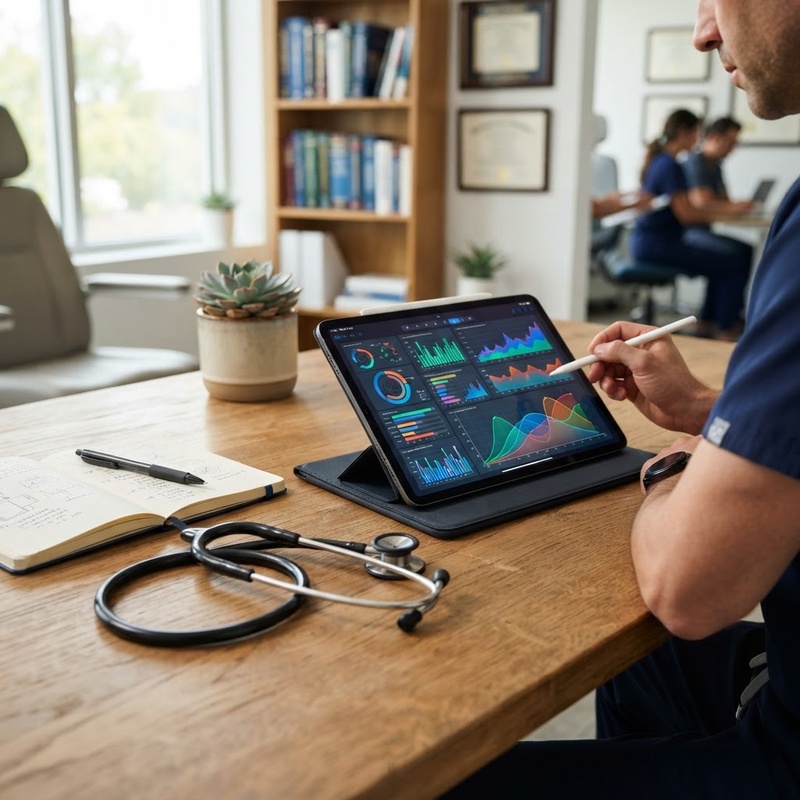
In an era flooded with generic fitness advice, standardized supplement stacks, and unguided wellness trends, many active individuals find themselves frustrated by disappointing results. What works remarkably well for one person may produce negligible benefits—or unwanted side effects—in another.
In an era flooded with generic fitness advice, standardized supplement stacks, and unguided wellness trends, many active individuals find themselves frustrated by disappointing results. What works remarkably well for one person may produce negligible benefits—or unwanted side effects—in another. This reality stems from a fundamental physiological truth: every human body possesses a distinct biological signature defined by unique genetics, endocrine baselines, metabolic efficiency, lifestyle stress, and health history.
To address complex physical needs safely and effectively, modern longevity medicine relies on structured, clinician-led recovery protocols. Rather than applying a blanket solution, a personalized recovery protocol is an individualized, medically supervised plan designed around comprehensive diagnostic lab work, thorough health intakes, and ongoing clinical oversight. Understanding how clinicians construct, monitor, and adjust these plans provides clarity for anyone seeking evidence-based guidance for repair and long-term vitality.
Defining a Clinical Recovery Protocol
A clinical recovery protocol is far more than a simple prescription or a list of daily recommendations. It is a dynamic, systematic strategy that integrates diagnostic evaluation, targeted therapies, lifestyle optimization, and continuous progress tracking.
Systematic Health Evaluation versus Generalized Advice
Generalized wellness approaches rely on population averages, assuming that a standardized regimen suits everyone. Conversely, a clinical recovery protocol begins with detailed diagnostic mapping to identify specific biological bottlenecks, nutrient deficiencies, or endocrine imbalances unique to the individual. By basing interventions on precise objective data rather than guesswork, clinicians can recommend targeted strategies designed to restore optimal biological function.
Core Components of a Tailored Health Plan
A comprehensive, clinician-guided recovery protocol typically encompasses several synergistic pillars:
- Targeted Therapeutic Options: When clinically indicated, protocol design may include prescription therapies, customized nutrient formulations, or compounded peptides tailored to individual health profiles.
- Evidence-Based Nutritional Frameworks: Specific guidelines addressing daily protein targets, micronutrient support, and optimal meal timing based on metabolic status.
- Sleep and Stress Auto-Regulation: Actionable sleep hygiene protocols and nervous system reset techniques to optimize nocturnal restorative windows.
- Structured Training Modifications: Recommendations for balancing physical exercise intensity with individual adaptive capacity and rest requirements.
Why One-Size-Fits-All Approaches Frequently Fail
The human body is an intricately interconnected network of physiological feedback loops. Introducing unguided interventions without understanding baseline health often leads to therapeutic failure or unintended consequences.
Individual Endocrine and Biomarker Diversity
Biomarker levels—such as serum Insulin-Like Growth Factor 1 (IGF-1), thyroid hormones, morning cortisol, and inflammatory markers—vary widely across individuals of the same chronological age. A peptide or therapeutic intervention that supports one individual with low baseline markers may be entirely unnecessary or counterproductive for someone whose markers are already optimal. Without prior lab testing, self-directed supplementation is essentially firing in the dark.
Variability in Lifestyle, Stress, and Biological Age
Two individuals of identical age and weight may have vastly different biological recovery capacities. A shift worker managing high occupational stress and poor sleep operates under severe systemic strain compared to an individual with a regular schedule and low stress. A personalized clinical protocol accounts for these environmental and lifestyle demands, tailoring the intensity and timing of therapeutic interventions accordingly.
The Key Stages of a Clinician-Led Evaluation Process
At EOS Health, personalizing a recovery protocol follows a rigorous, step-by-step clinical methodology designed to ensure patient safety, scientific validity, and targeted effectiveness.
Detailed Medical Intake and Health History
The process begins with an extensive online medical intake. Patients complete a detailed questionnaire covering current symptoms, physical activity levels, dietary habits, sleep architecture, previous injuries, medical conditions, and specific longevity or recovery goals. This qualitative history provides essential context for interpreting subsequent diagnostic data.
Comprehensive Blood Work and Biomarker Analysis
Following intake review, clinicians order comprehensive diagnostic blood panels. Testing evaluates key metabolic markers, complete blood counts, lipid profiles, kidney and liver function, inflammatory indicators, thyroid panels, and relevant endocrine markers such as serum IGF-1 and IGFBP-3. Establishing clear baseline objective measurements allows clinicians to spot hidden health constraints and track progress accurately over time.
Physician Review and Individualized Recommendations
A licensed healthcare provider conducts a thorough analysis combining the medical intake with diagnostic lab findings. If therapeutic options—such as compounded peptide formulations—are deemed clinically appropriate, the physician formulates a customized protocol tailored specifically to the patient's unique biological needs, safety profile, and health goals.
Understanding Compounded Medication and Clinical Oversight
When discussions turn to specialized therapeutic options like peptides within recovery protocols, understanding the regulatory landscape and the necessity of clinical oversight is paramount.
Role of Compounded Formulations in Tailored Care
Compounded medications are customized pharmaceutical formulations prepared by state-licensed compounding pharmacies to meet the specific clinical requirements of an individual patient as prescribed by a licensed healthcare provider. Compounding allows clinicians to adjust dosage strengths, combine compatible ingredients, or select specific delivery formats tailored to patient needs.
Important Regulatory Distinctions Regarding Compounded Therapies
It is essential for patients to understand that compounded medications are not FDA-approved drugs. Unlike standardized mass-manufactured pharmaceuticals that undergo traditional FDA approval processes, compounded formulations are prepared based on individual medical prescriptions. While compounding pharmacies are regulated by state boards of pharmacy and federal standards under Section 503A of the Federal Food, Drug, and Cosmetic Act, compounded medications themselves do not possess individual FDA approvals. A licensed clinician carefully weighs scientific research, clinical evidence, and patient safety factors when recommending compounded options.
Safety Screening, Contraindications, and Clinical Risk Management
A core element distinguishing a formal clinical protocol from self-directed wellness experimentation is strict adherence to comprehensive safety screening, contraindication evaluation, and ongoing medical risk management.
Screening for Pre-Existing Conditions and Interactions
Before initiating any therapeutic protocol, a licensed healthcare provider performs an in-depth evaluation of pre-existing medical conditions, personal health history, family medical risks, and potential interactions with concurrent medications or dietary supplements. For example, evaluating baseline renal function, liver enzyme profiles, and metabolic markers ensures that prescribed therapies can be safely metabolized and excreted without placing undue strain on vital organ systems.
Monitoring Patient Response and Dosage Optimization
Patient safety requires ongoing clinical oversight throughout the duration of a protocol. Licensed clinicians evaluate subjective patient feedback alongside objective follow-up lab findings, verifying that biological responses remain within target physiological ranges. If unexpected symptoms or biomarker variations occur, clinicians can promptly modify dosage regimens, adjust support protocols, or pause interventions to ensure patient safety and long-term health maintenance. Continuous monitoring provides a clear framework for protocol evolution as patient baselines improve.
Common Misconceptions Surrounding Medical Recovery Protocols
With growing public interest in personalized medicine and specialized health strategies, several misconceptions have emerged regarding what a clinical recovery protocol can and cannot accomplish.
Misconception: Protocols Provide Immediate, Overnight Transformations
A widespread myth is that medical protocols yield instantaneous physical results. In reality, biological tissue remodeling, endocrine stabilization, and cellular adaptation are gradual physiological processes that unfold over weeks and months. Clinical protocols are structured for sustainable, progressive health optimization rather than quick, short-term changes.
Misconception: Specialized Therapies Replace Lifestyle Foundations
Another common misconception is that specialized medical interventions can compensate for poor sleep hygiene, inadequate protein intake, chronic psychological stress, or unmanaged training volume. Clinical literature consistently emphasizes that targeted therapeutic options act as adjuncts to—not substitutes for—foundational lifestyle behaviors. A personalized protocol works synergistically with healthy daily habits, establishing a resilient environment for cellular repair under licensed medical guidance.
Diagnostic Biomarkers Evaluated in Clinical Protocols
To design truly personalized recovery strategies, clinicians rely on objective biomarker testing rather than subjective assumptions or population averages.
Inflammatory and Endocrine Biomarker Integration
Diagnostic blood panels allow clinicians to evaluate circulating levels of key hormones such as serum IGF-1, thyroid-stimulating hormone (TSH), morning cortisol, and total/free testosterone. Simultaneously, assessing inflammatory markers like high-sensitivity C-reactive protein (hs-CRP) provides insight into systemic stress levels, helping clinicians fine-tune recovery recommendations to individual biological needs.
Metabolic and Organ Function Panel Assessment
A thorough clinical assessment includes evaluating liver transaminases (ALT, AST), kidney function markers (creatinine, BUN), lipid profiles, and glycated hemoglobin (HbA1c). Ensuring robust metabolic health and normal organ clearance pathways allows clinicians to safely tailor protocols, establish accurate baseline reference points, and monitor patient health trajectory over time.
Patient Communication and Collaborative Care
Effective clinical management relies on clear, transparent communication between patient and provider. Clinicians review diagnostic blood panels in detail, explaining how biological biomarkers correlate with physical symptoms, daily habits, and individual health goals. Encouraging active patient engagement fosters shared clinical decision-making, ensuring protocol adherence and empowering individuals in their long-term health journey under qualified medical supervision.
Ongoing Care, Regular Adjustments, and Long-Term Guidance
A true medical protocol is never a static, "one-and-done" transaction. Biological systems adapt, seasonal demands shift, and health baselines evolve over time, requiring responsive clinical oversight.
Tracking Progress and Adjusting Protocols Over Time
Ongoing clinical care involves periodic follow-up consultations and re-testing diagnostic blood panels at strategic intervals (typically every 3 to 6 months). Re-evaluating biomarkers ensures that therapies remain effective, dosage levels stay within safe reference ranges, and protocols are adjusted as baseline markers improve or goals evolve.
Integrating Protocols with Lifestyle Foundations
Medical protocols are designed to complement—not replace—foundational health behaviors. A licensed clinician continuously reinforces the importance of consistent sleep hygiene, balanced nutrition, adequate hydration, and intelligent exercise design. Combining targeted medical therapies with solid lifestyle habits creates a powerful, synergistic foundation for sustainable athletic performance and long-term vitality.
Taking the First Step Toward Your Personalized Plan
If you are ready to move past trial-and-error wellness approaches and explore a clinician-supervised recovery strategy tailored to your exact biological profile, beginning with a formal health assessment is the logical next step.
Our clinical team at EOS Health is dedicated to delivering personalized, evidence-based care under strict medical supervision. By combining diagnostic precision with ongoing clinical support, we help active individuals pursue their physical and recovery goals safely and intelligently.
Ready to explore whether a personalized recovery plan is right for you? Complete a short online intake at EOS Health.
Clinical Recovery Protocol
An individualized, medically supervised plan designed around patient lab work, health intake, lifestyle factors, and clinical guidance to optimize physical repair and wellness.
Compounded Medication
A customized pharmaceutical formulation prepared by a licensed compounding pharmacy to meet the specific prescribing needs of an individual patient; compounded medications are not FDA-approved.
Biomarker Panel
A comprehensive series of blood tests measuring specific biological indicators—such as metabolic markers, liver/kidney function, lipids, and hormone levels—to assess overall health status.
Section 503A Pharmacy
A designation under the Federal Food, Drug, and Cosmetic Act governing traditional compounding pharmacies that compound custom medications pursuant to individual patient prescriptions.
Clinical Oversight
Continuous medical monitoring, periodic lab re-assessments, and professional guidance provided by licensed healthcare practitioners to ensure patient safety and protocol efficacy.
Sources
faq
Common questions, answered.
What is a personalized recovery protocol?
A personalized recovery protocol is a comprehensive, clinician-guided health plan designed around an individual's specific blood biomarkers, medical intake, lifestyle demands, and fitness goals. It integrates lifestyle guidance with targeted therapies when medically indicated.
Why are diagnostic blood tests required before starting a protocol?
Diagnostic lab work provides objective, baseline measurements of metabolic health, organ function, inflammatory status, and hormone levels. Testing ensures that any recommended intervention is safe, appropriate, and tailored specifically to your biological needs.
Are compounded peptide medications FDA-approved?
No. Compounded medications are customized formulations prepared by licensed compounding pharmacies based on a doctor's prescription. They are regulated under state pharmacy laws and federal guidelines, but they are not individually FDA-approved drugs.
How often are blood tests repeated during a protocol?
Clinicians typically order follow-up blood work every 3 to 6 months to monitor biomarker progress, verify safety parameters, and adjust protocol dosages or formulations based on real objective data.
Can I follow a recovery protocol without taking medication?
Absolutely. A comprehensive recovery protocol always emphasizes foundational health factors—such as optimized nutrition, structured sleep hygiene, stress regulation, and periodized training. Medical therapies are only included if clinically indicated and desired by the patient.
How long does it take to see results from a personalized protocol?
Individual timelines vary depending on baseline health status, compliance, and specific goals. Many individuals report noticeable improvements in energy, sleep quality, and training resilience within several weeks of aligning lifestyle habits and clinical guidance.
What makes EOS Health's clinical approach different?
EOS Health provides a seamless, physician-led model that combines online medical intakes, comprehensive diagnostic testing, individualized clinical reviews, and ongoing medical supervision—all focused on evidence-based longevity and recovery care.
How do I start the evaluation process with EOS Health?
You can begin by completing a brief online medical intake. Our clinical team will review your health history and guide you through required lab assessments and personalized consultation options.
Invest in the years ahead.™
Start free consultationwhat are you waiting for?
You're one click away from a new you.
Fill out our brief form and a licensed physician will evaluate which treatment plan is best for you.