What Is GHK-Cu? The Copper Peptide Explained
Explore how GHK-Cu copper peptides support skin renewal, firmness, and collagen production. Learn about science-backed skincare options from EOS Health.
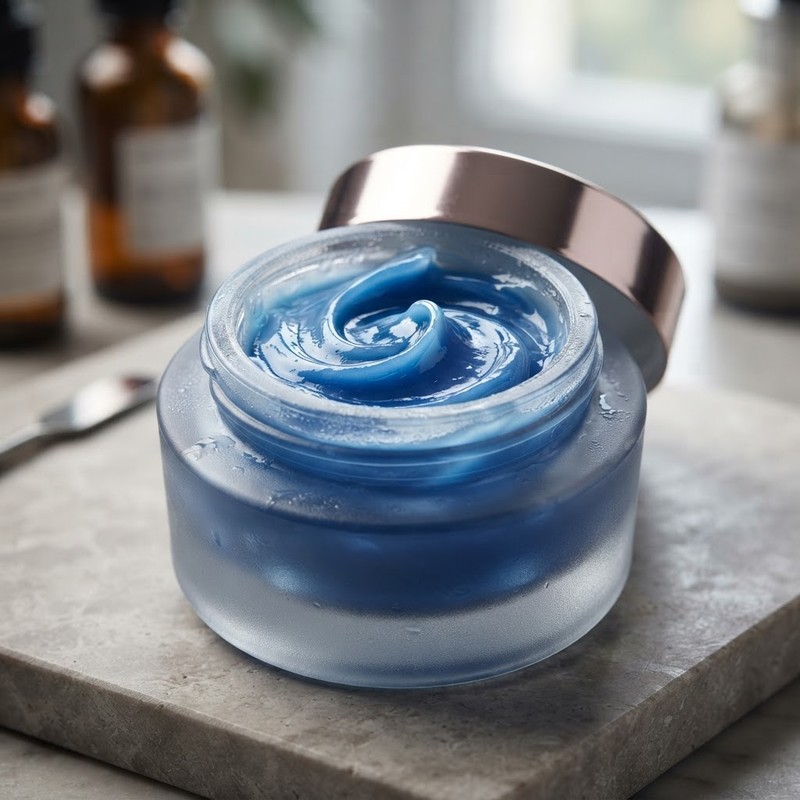
Navigating skin changes throughout adulthood—particularly during periods of hormonal transition such as perimenopause and menopause—often prompts a shift in skincare priorities. Women frequently seek out ingredients that support structural resilience, hydration, and healthy skin appearance without causing unnecessary irritation or disrupting the delicate skin barrier.
Navigating skin changes throughout adulthood—particularly during periods of hormonal transition such as perimenopause and menopause—often prompts a shift in skincare priorities. Women frequently seek out ingredients that support structural resilience, hydration, and healthy skin appearance without causing unnecessary irritation or disrupting the delicate skin barrier. Among the emerging ingredients gaining significant attention in modern dermatological science is GHK-Cu, also known as copper tripeptide-1. While copper peptides have been studied in scientific literature for decades, recent advances in topical formulation have brought this remarkable molecule into the spotlight for women seeking evidence-based skincare solutions.
GHK-Cu is a naturally occurring tripeptide complex composed of three amino acids—glycine, histidine, and lysine—bound to a single copper ion. Found naturally in human blood plasma, saliva, and tissue, this peptide plays a central role in guiding cell signaling and maintaining extracellular architecture. However, systemic levels of GHK-Cu naturally decrease as part of the aging process, sparking interest in topical applications designed to support skin renewal, collagen synthesis, and overall skin vitality.
At EOS Health, our clinical philosophy centers on empowering women with transparent, science-backed information regarding their health and skin options. Understanding how copper peptides function at the cellular level allows individuals to make informed choices alongside their healthcare providers. In this detailed exploration, we examine the discovery of GHK-Cu, its biochemical mechanism of action, why it has become a cornerstone of modern peptide skincare, and how physician-formulated compounded options fit into a personalized skin health strategy.
The Science of GHK-Cu: Discovery, Chemistry, and Biological Function
To appreciate the role of GHK-Cu in contemporary skincare, it is helpful to explore its scientific origins. The peptide was first isolated in 1973 by Dr. Loren Pickart during research examining why liver tissue from younger individuals demonstrated distinct regenerative characteristics compared to tissue from older individuals. Dr. Pickart identified a small peptide in human plasma that bound copper with high affinity and appeared to support cell survival and tissue maintenance in laboratory models.
Chemically, GHK-Cu is designated as glycyl-L-histidyl-L-lysine copper complex. Copper is an essential trace element required for numerous biological processes, including cellular respiration, antioxidant defense, and cross-linking of structural proteins. However, free copper ions can generate oxidative stress if unmanaged within tissue. The peptide sequence GHK acts as a carrier molecule, safely binding copper and transporting it directly to cellular receptors where it can participate in beneficial metabolic pathways.
Biological concentrations of GHK-Cu are highest in early adulthood. Research indicates that plasma levels of GHK-Cu average approximately 200 nanograms per milliliter at age twenty, but decline to around 80 nanograms per milliliter by age sixty. This natural reduction coincides with age-related changes in skin thickness, collagen density, and elastic recoil. Because copper serves as an obligatory cofactor for lysyl oxidase—an enzyme responsible for cross-linking collagen and elastin fibers—maintaining optimal copper bioavailability in dermal tissues is a key focus of dermatological research.
Furthermore, GHK-Cu functions as a signal peptide. In human biology, signal peptides are short amino acid chains that transmit messages to cells, instructing them to perform specific functions, such as synthesizing extracellular matrix proteins or producing protective enzymes. When applied topically in an appropriate carrier vehicle, GHK-Cu signals dermal fibroblasts to maintain their synthetic activities, offering an elegant approach to supporting skin architecture over time.
How Copper Peptides Support Skin Architecture and Renewal
The dermal layer of human skin relies on a complex structural framework known as the extracellular matrix (ECM). Composed primarily of collagen fibers, elastic fibers, and glycosaminoglycans, the ECM provides mechanical support, elasticity, and hydration to the cutaneous surface. As estrogen levels decrease during perimenopause and menopause, collagen breakdown often accelerates while new collagen synthesis slows down, leading to subtle changes in skin firmness, volume, and texture.
Topical GHK-Cu interacts with skin tissue through several distinct biochemical pathways that support healthy aging:
Collagen and Elastin Synthesis: Scientific studies suggest that GHK-Cu encourages fibroblasts to produce collagen types I, III, and V, as well as elastin. Type I collagen provides structural tensile strength, while type III collagen contributes to tissue suppleness and elasticity. By supporting the production of these fundamental proteins, GHK-Cu helps maintain dermal density and structural integrity.
Glycosaminoglycan and Hyaluronic Acid Support: Beyond structural proteins, GHK-Cu has been observed in laboratory models to support the synthesis of glycosaminoglycans, including hyaluronic acid and chondroitin sulfate. These water-binding molecules form a gel-like matrix within the dermis, retaining essential moisture and creating a plump, hydrated appearance on the skin surface.
Extracellular Matrix Remodeling: Healthy skin relies on a continuous, balanced process of tissue maintenance. GHK-Cu influences the activity of matrix metalloproteinases (MMPs)—enzymes that break down damaged matrix proteins—while simultaneously regulating tissue inhibitors of metalloproteinases (TIMPs). This balanced regulation supports the natural clearance of damaged fibers while encouraging the deposition of fresh, healthy structural elements.
Antioxidant and Protective Enzyme Synthesis: Environmental stress, particularly solar ultraviolet radiation and atmospheric pollution, generates reactive oxygen species (ROS) that degrade dermal components. Research demonstrates that GHK-Cu stimulates the expression of superoxide dismutase (SOD), a potent enzymatic antioxidant that neutralizes harmful free radicals and protects cellular membranes from oxidative damage.
Why GHK-Cu Is Trending in Modern Dermatological Care
The rising popularity of GHK-Cu in contemporary skincare reflects a broader paradigm shift in dermatology. For many years, skincare trends emphasized aggressive chemical exfoliation, high-concentration hydroxy acids, and intensive resurfacing procedures. While such treatments can be beneficial for specific indications, excessive or improper use can compromise the stratum corneum—the outermost protective barrier of the skin—leading to chronic inflammation, heightened sensitivity, and transepidermal water loss.
In contrast, modern clinical skincare increasingly prioritizes barrier preservation and restorative signaling. GHK-Cu fits seamlessly into this supportive philosophy. Rather than stripping or irritating the outer skin layers, copper peptides work alongside natural physiological mechanisms to nourish dermal structures from within.
GHK-Cu Compared with Other Active Ingredients
Understanding how GHK-Cu complements or differs from other common dermatological topicals helps clarify its role in a daily regimen:
Prescription Retinoids vs. Copper Peptides: Prescription retinoids, such as tretinoin, are FDA-approved prescription medications with decades of clinical data demonstrating efficacy for acne and visible skin-aging signs. Retinoids act directly on retinoic acid receptors to accelerate cell turnover and collagen production. However, retinoids can occasionally cause dryness, peeling, or mild irritation during initial use. GHK-Cu operates through independent peptide signaling pathways and is generally well tolerated, making it an excellent complementary option or alternative for individuals with delicate or easily sensitized skin.
Vitamin C (L-Ascorbic Acid): Vitamin C is a well-known antioxidant that brightens skin tone and protects against oxidative stress. While both Vitamin C and GHK-Cu offer antioxidant benefits, GHK-Cu additionally serves as a structural carrier for essential trace copper, directly participating in enzymatic collagen cross-linking.
Hyaluronic Acid: Hyaluronic acid works primarily as a surface and dermal humectant, drawing water into skin tissues to provide immediate hydration. GHK-Cu complements hyaluronic acid by encouraging the skin's internal production of endogenous glycosaminoglycans for long-term moisture retention.
Formulation, Bioavailability, and the EOS Health Compounded Approach
While the theoretical benefits of GHK-Cu are supported by scientific literature, the clinical effectiveness of any topical ingredient depends heavily on formulation quality, chemical stability, and dermal absorption. Peptides are naturally delicate molecules; without proper formulation science, they can degrade rapidly or fail to penetrate the stratum corneum effectively.
Over-the-counter cosmetic products often feature copper peptides in low concentrations or combine them with incompatible ingredients that destabilize the copper complex. Furthermore, mass-produced cosmetics utilize standardized base formulas that may not suit every patient's specific skin type or sensitivities.
Physician-Formulated Compounded Skincare
To address these limitations, licensed healthcare providers frequently turn to customized compounding. Compounded skincare involves the preparation of individualized formulations by licensed compounding pharmacies according to a prescription from a licensed clinician. This clinical approach offers several distinct advantages:
Optimal Concentration: Clinicians can select exact active ingredient concentrations tailored to an individual's skin condition, clinical history, and aesthetic goals.
Custom Base Vehicles: Compounded topicals can be formulated in specialized base creams or emulsions free from common irritants, fragrance, or comedogenic agents, catering specifically to sensitive or reactive skin.
Synergistic Combinations: Licensed providers may combine compatible supportive ingredients within a single customized vehicle to streamline a patient's daily routine under medical supervision.
Important Understanding Regarding FDA Status
Transparency is essential when discussing medical and compounded skincare. It is important for patients to understand the regulatory status of different topical options:
Single-agent prescription medications like tretinoin and spironolactone are FDA-approved drugs (tretinoin is FDA-approved for acne and commonly prescribed for visible skin aging signs; spironolactone is FDA-approved as a diuretic and commonly prescribed off-label for hormonal acne in women). In contrast, compounded products—including EOS Health GHK-Cu copper peptide cream, custom hydroquinone or tranexamic acid blends, and tretinoin-clindamycin combinations—are custom-compounded formulations prepared by licensed pharmacies. Compounded products as a whole are not FDA-approved drugs. Instead, they are physician-formulated options designed to fulfill specific individual clinical needs under the direct care and supervision of a licensed provider.
Integrating GHK-Cu into a Comprehensive Women’s Skincare Routine
Incorporating GHK-Cu into a daily skincare routine requires thoughtful organization to maximize stability and overall benefit. Because copper peptides can be sensitive to environmental conditions and chemical interactions, observing basic application principles ensures optimal results.
Regimen Placement and Ingredient Compatibility
GHK-Cu is typically formulated as a lightweight cream, serum, or emulsion. For best application results, consider the following general guidelines:
Cleansing: Begin with a gentle, pH-balanced cleanser that cleanses without stripping natural cutaneous lipids.
Application Order: Apply GHK-Cu to clean, slightly damp skin after watery toners but before heavier moisturizing occlusives or facial oils. This allows the peptide molecules direct contact with the epidermis.
Ingredient Conflicts: Avoid applying GHK-Cu simultaneously with highly acidic formulas, such as unbuffered L-ascorbic acid (Vitamin C) or concentrated alpha hydroxy acids (like glycolic or lactic acid). Low pH environments can disrupt the chelated bond between the GHK peptide and the copper ion, reducing efficacy. If using acidic serums or Vitamin C, consider applying them in the morning and reserve GHK-Cu for the evening, or allow 15 to 20 minutes between applications.
Sun Protection: During daytime hours, complete your morning routine with a broad-spectrum sunscreen with an SPF of 30 or higher. Protecting skin from ultraviolet radiation safeguards structural collagen fibers and supports overall skin health.
Navigating Skin Changes with Clinical Guidance
Every woman's skin tells a unique story shaped by genetics, hormonal shifts, environmental exposure, and lifestyle factors. While GHK-Cu offers an intriguing option for supporting skin renewal, firmness, and hydration, skincare is never a one-size-fits-all endeavor. Working with a licensed healthcare provider allows for a thorough evaluation of your skin's condition, identification of underlying concerns such as melasma, acne, or hyperpigmentation, and the creation of a tailored treatment plan.
At EOS Health, our goal is to simplify access to expert clinical guidance and customized skincare solutions. Through our seamless telehealth platform, adult women can consult with experienced clinicians who evaluate individual skin needs and prescribe targeted, physician-formulated options when clinically appropriate.
If you are interested in exploring how GHK-Cu copper peptide cream or other custom skincare formulations might support your personal skin health goals, we invite you to connect with a clinician today. Discover personalized dermatological care crafted specifically for you by visiting EOS Health Clinical Care.
Glossary of Terms
GHK-Cu (Glycyl-L-Histidyl-L-Lysine Copper)
A naturally occurring copper-binding tripeptide found in human plasma that acts as a signal molecule to support skin repair, collagen synthesis, and tissue remodeling.
Signal Peptide
A short sequence of amino acids that transmits specific biological instructions to skin cells, directing them to produce structural proteins or protective enzymes.
Extracellular Matrix (ECM)
The complex non-cellular three-dimensional network of collagen, elastin, and glycosaminoglycans that provides structural framework and hydration to dermal tissue.
Fibroblasts
The primary connective tissue cells in the dermis responsible for synthesizing collagen, elastin, and ground substance components essential for skin architecture.
Compounded Formulation
A customized medication or topical product prepared by a licensed compounding pharmacy according to a licensed provider's specific prescription to meet individual patient needs.
Sources
faq
Common questions, answered.
What is GHK-Cu and how does it function in topical skincare?
GHK-Cu is a naturally occurring tripeptide complex of glycyl-L-histidyl-L-lysine bound to a copper ion. In topical skincare, it functions as a signal peptide that encourages fibroblasts to synthesize structural collagen, elastin, and hydrating glycosaminoglycans, thereby supporting skin firmness and overall texture.
Is GHK-Cu copper peptide cream FDA-approved?
Compounded GHK-Cu copper peptide creams are custom physician-formulated options prepared by licensed compounding pharmacies and are not FDA-approved drugs. In contrast, individual prescription active ingredients such as tretinoin hold specific FDA approvals for conditions like acne.
How does GHK-Cu differ from prescription retinoids like tretinoin?
Tretinoin is an FDA-approved prescription retinoid that accelerates skin cell turnover by binding directly to nuclear retinoid receptors. GHK-Cu is a copper-binding signal peptide that supports collagen production and antioxidant enzymatic pathways through gentle cellular signaling without the peeling or irritation sometimes associated with retinoids.
Can GHK-Cu be used alongside other active skincare ingredients?
Yes, GHK-Cu can be integrated into a broader routine, but care should be taken with timing. Avoid applying GHK-Cu at the exact same time as highly acidic products like low-pH L-ascorbic acid or strong alpha hydroxy acids, as acidic environments may break the copper-peptide bond. Spacing application times or using one in the morning and the other in the evening is recommended.
Who might consider adding GHK-Cu to their daily skincare regimen?
Adult women navigating age-related skin changes, loss of structural firmness, fine lines, or dryness may consider GHK-Cu. It is particularly popular among individuals seeking supportive, barrier-friendly options that nourish dermal structure alongside clinical guidance.
Are there any potential side effects or sensitivities with topical GHK-Cu?
Topical GHK-Cu is generally well tolerated because the peptide is native to human tissue. However, individual experiences vary, and minor localized sensitivity or redness can occasionally occur. Performing a patch test or consulting a licensed healthcare provider prior to starting a new topical product is always recommended.
How long does it typically take to notice changes in skin texture?
Skin cell renewal and collagen matrix assembly are gradual physiological processes. While initial hydration improvements may be noticeable within several weeks, changes in skin firmness and overall texture typically become apparent after eight to twelve weeks of consistent application.
Do natural body levels of GHK-Cu decrease as women age?
Yes, scientific studies show that systemic plasma levels of GHK-Cu naturally decrease with age, falling from approximately 200 ng/mL in young adulthood to around 80 ng/mL by age sixty. This decline has motivated research into topical replenishment to support localized skin vitality.
Great skin starts with the right protocol.™
Start free consultationwhat are you waiting for?
You're one click away from a new you.
Fill out our brief form and a licensed physician will evaluate which treatment plan is best for you.