What Is Tretinoin? How the Most-Studied Retinoid Works
Learn what tretinoin is and how this FDA-approved retinoid works at the cellular level to support healthy aging and skin health with EOS Health clinical care.
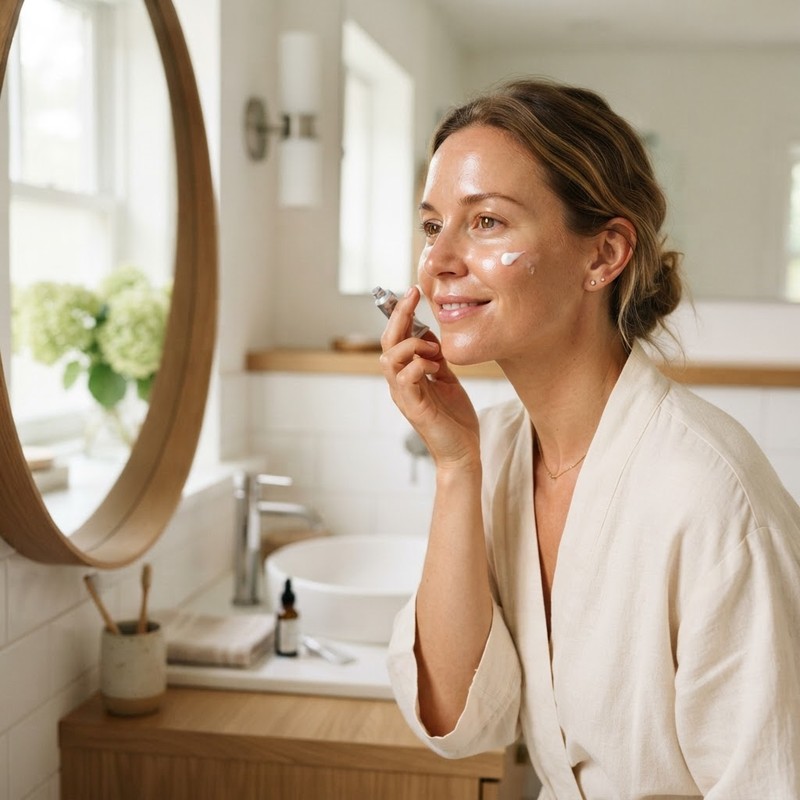
Navigating the realm of topical skincare often feels overwhelming, given the endless array of over-the-counter serums, active ingredients, and trending cosmetic formulations. Yet, within modern dermatology, one molecule stands out for its extensive scientific documentation and decades of clinical study: tretinoin.
Navigating the realm of topical skincare often feels overwhelming, given the endless array of over-the-counter serums, active ingredients, and trending cosmetic formulations. Yet, within modern dermatology, one molecule stands out for its extensive scientific documentation and decades of clinical study: tretinoin. As adult women navigate various life stages—from subtle shifts in skin texture and firmness to complex hormonal fluctuations, adult acne, or hyperpigmentation—understanding the underlying science of proven topical options empowers thoughtful, informed decisions.
At EOS Health, we believe that education forms the true foundation of effective skin care. Rather than relying on marketing claims or quick fixes, taking a closer look at cellular biology helps explain why certain ingredients maintain such enduring prominence in clinical practice. In this comprehensive guide, we explore what tretinoin is, how it functions within skin cells, its official regulatory status, and why dermatologists regard it as the most rigorously researched topical retinoid in dermatology.
What Is Tretinoin? Understanding Pure Retinoic Acid
To understand tretinoin, it is helpful to start with its molecular identity. Tretinoin is the direct pharmaceutical name for pure all-trans retinoic acid, a biologically active derivative of vitamin A. Unlike non-prescription retinoids found in cosmetics—such as retinol, retinyl palmitate, or retinaldehyde—tretinoin does not require metabolic conversion by skin enzymes to exert its cellular effects. When applied topically, it is already in the exact biochemical form that skin cell receptors recognize and bind to directly.
In contrast, over-the-counter retinol must undergo a multi-step enzyme conversion within skin tissue: first converting into retinaldehyde, and then into retinoic acid. Because individual enzymatic conversion rates vary significantly based on skin chemistry and enzyme availability, over-the-counter retinoids generally deliver a milder, slower cellular response. Tretinoin bypasses these conversion steps entirely, delivering direct bioactivity to cellular targets without delay.
From a regulatory and clinical standpoint, tretinoin holds a distinct classification. It is an FDA-approved prescription medication indicated for the topical treatment of acne vulgaris. In clinical practice, licensed healthcare providers also commonly prescribe tretinoin to support healthy aging and address visible signs of photoaging, such as fine lines, tactile roughness, and uneven skin tone. Because tretinoin is a potent prescription active, its use requires clinical evaluation by a licensed healthcare provider to determine appropriate concentration, vehicle, and application frequency based on individual skin needs and tolerance.
The Cellular Mechanism: How Tretinoin Interacts with Retinoid Receptors
The remarkable reputation of tretinoin stems from its precise mechanism of action at the cellular level. Skin tissue is not merely a passive outer barrier; it is a dynamic organ populated by keratinocytes, dermal fibroblasts, and melanocytes, all of which communicate through complex signaling pathways. Tretinoin interacts directly with these cellular components through specific nuclear receptors.
Nuclear Receptor Binding and Gene Regulation
Once absorbed into skin tissue, tretinoin enters target cells and binds to specific nuclear proteins known as Retinoic Acid Receptors (RAR-alpha, RAR-beta, and RAR-gamma) and Retinoid X Receptors (RXR). Upon binding, these receptor complex units translocate to the cell nucleus where they attach to specific DNA sequences called Retinoic Acid Response Elements (RAREs). This nuclear interaction directly modulates gene transcription, upregulating beneficial cellular pathways while downregulating inflammatory signals.
Accelerating Epidermal Turnover
One primary outcome of retinoic acid receptor activation is the normalization and acceleration of epidermal cell turnover. In youthful, undamaged skin, keratinocytes migrate from the basal layer to the stratum corneum over approximately 28 days. As skin matures or experiences environmental sunlight exposure, this renewal process can slow down, contributing to a accumulation of dull, dead cells and congested pores. Tretinoin promotes shedding of outer corneal cells while encouraging basal cell renewal, fostering a smoother, more radiant skin surface.
Supporting the Extracellular Matrix and Collagen Structure
Beyond the surface epidermis, tretinoin exerts significant effects within the deeper dermal layer. Dermal fibroblasts are responsible for producing structural proteins, primarily collagen and elastin, which provide firmness and structural resilience to skin architecture. Research indicates that topical tretinoin stimulates fibroblasts to increase the synthesis of collagen (specifically types I and III). Simultaneously, studies indicate that retinoic acid inhibits the action of matrix metalloproteinases (MMPs)—enzymes that break down structural collagen when triggered by ultraviolet exposure or chronic micro-inflammation. By supporting fresh collagen synthesis while discouraging structural breakdown, tretinoin plays a key role in supporting healthy aging over extended periods of consistent, guided use.
Why Tretinoin Is the Most-Researched Topical in Dermatology
With dozens of new skincare ingredients introduced every season, it is natural to wonder why dermatologists consistently return to tretinoin. The answer lies in the unmatched depth and longevity of its scientific validation. First synthesized and studied extensively in the mid-20th century, tretinoin has accumulated more than five decades of rigorous double-blind, vehicle-controlled clinical trials.
Histological studies—investigations examining microscopic skin tissue biopsies taken at baseline and follow-up intervals during consistent retinoid application—provide objective structural evidence of its biological effects. These studies have documented measurable increases in epidermal thickness, more organized epidermal architecture, compacting of the stratum corneum, and heightened collagen density within the papillary dermis. Few cosmetic active ingredients possess such robust, peer-reviewed biomedical documentation in published literature.
Furthermore, because tretinoin has been manufactured as a generic prescription medication for decades, its safety profile, dosage guidelines, and potential side effects are thoroughly understood by clinicians worldwide. This long history allows healthcare providers to guide patients with clarity, anticipating responses and tailoring application protocols to maximize benefits while keeping discomfort to a minimum.
Navigating the Acclimatization Period: Retinization and Barrier Support
While the long-term benefits of tretinoin are well-documented in scientific literature, beginning a retinoid regimen requires patience and deliberate skin barrier management. During the initial weeks of application, skin cells experience a transient phase of adaptation known clinically as retinization.
Understanding Retinization Symptoms
As cellular turnover rapidly accelerates, the outermost skin barrier temporarily reshuffles its lipid matrix. During this phase, individuals may experience mild redness, peeling, flaking, dryness, or a subtle warm sensation. These reactions are expected physiological responses as retinoic acid receptors adjust to increased signaling. For most individuals, retinization subsides within four to eight weeks as the skin barrier adapts and stratum corneum cohesion normalizes.
Practical Barrier Support Strategies
To minimize discomfort during the retinization phase, dermatologists and clinical teams often recommend gentle, supportive skincare habits:
- Gradual Introduction: Begin by applying a small pea-sized amount two or three nights per week, gradually increasing frequency as skin tolerance develops over several weeks under medical guidance.
- The Buffer Technique: Apply a light layer of non-comedogenic, hydrating moisturizer before or alongside tretinoin to buffer absorption without compromising efficacy.
- Gentle Cleansing: Use mild, non-foaming, fragrance-free cleansers that protect the delicate lipid barrier rather than harsh exfoliants or alcohol-based toners.
- Daily Sun Protection: Because newly revealed skin cells can be sensitive to solar radiation, applying a broad-spectrum sunscreen with SPF 30 or higher every morning is essential for protecting progress and maintaining skin health.
Hormonal Skin Considerations and Custom Formulations
Skin health is intricately linked to internal hormonal shifts across a woman's life. Fluctuations in estrogen, progesterone, and androgen levels during menstrual cycles, postpartum periods, or perimenopause can influence sebum production, skin barrier resilience, and pigment distribution. Many adult women experience persistent breakouts or hyperpigmentation despite having outgrown teenage skin concerns.
When addressing complex hormonal skin concerns, clinicians evaluate individual needs to recommend comprehensive care plans. In addition to topical tretinoin, healthcare providers may consider complementary approaches based on patient presentation:
Oral Spironolactone for Hormonal Acne
For adult women experiencing stubborn lower-face or jawline breakouts linked to androgen sensitivity, clinicians may evaluate oral spironolactone. Spironolactone is an FDA-approved prescription medication originally developed as a diuretic, which is also commonly prescribed off-label in dermatology for managing hormonal acne in women. By binding to androgen receptors in sebaceous glands, spironolactone helps modulate excess sebum production from within.
Custom Compounded Topical Formulations
In certain clinical scenarios, a healthcare provider may determine that a custom compounded topical formulation offers a tailored approach to addressing multiple skin concerns simultaneously. Compounded medications are customized prescription preparations prepared by licensed compounding pharmacies to suit an individual patient's specific prescription requirements. It is important to emphasize that while individual active ingredients within a compound (such as tretinoin) may hold individual FDA approvals, compounded finished products as a whole are not FDA-approved drug products.
Examples of compounded topical options that a clinician might consider include:
- Tretinoin combined with Antibacterials: Blends incorporating tretinoin alongside clindamycin to simultaneously support cell turnover and address acne-causing bacteria.
- Pigment Management Blends: Custom preparations combining hydroquinone, azelaic acid, or tranexamic acid. Hydroquinone is a prescription-only ingredient in the United States valued for its ability to inhibit tyrosinase enzymes. Custom blends allow targeted application for conditions like melasma or post-inflammatory hyperpigmentation under strict medical supervision.
- Peptide-Enhanced Creams: Formulations featuring GHK-Cu copper peptide cream alongside gentle hydrating bases to support skin repair processes alongside retinoid therapy.
Because pigmentary conditions like melasma can closely resemble other forms of skin discoloration, readers should never attempt to self-diagnose skin conditions. A thorough evaluation by a qualified dermatologist or women's health clinician ensures an accurate diagnosis and a safe, appropriate treatment path tailored to individual skin health needs.
Taking the Next Step for Your Skin Health
Understanding the science behind your skincare ingredients shifts your routine from guesswork to an intentional, evidence-based habit. Tretinoin remains one of the most effective, thoroughly studied tools available in modern dermatology for supporting cell renewal, encouraging healthy collagen structure, and supporting healthy aging over time.
Because tretinoin is a potent prescription medication, starting your retinoid journey should always involve a personalized consultation with a licensed healthcare provider. A medical evaluation ensures that your formulation, strength, and overall routine are tailored to your unique skin type, hormonal profile, and personal goals.
If you are ready to explore evidence-based skincare solutions guided by clinical expertise, visit EOS Health Skincare Services today. Our dedicated clinical team is here to support your skin health journey with warm, compassionate, and personalized care every step of the way.
All-Trans Retinoic Acid (Tretinoin)
The biologically active form of vitamin A that binds directly to retinoic acid receptors in skin cell nuclei to regulate cell turnover and collagen production.
Retinoid Receptors (RARs & RXRs)
Nuclear protein receptors inside skin cells that, when activated by retinoic acid, bind to DNA response elements to modulate gene expression involved in cellular renewal.
Retinization
The temporary adjustment phase occurring when skin is first introduced to topical tretinoin, characterized by transient peeling, dryness, or mild irritation as cell turnover accelerates.
Fibroblasts
Dermal skin cells responsible for producing structural extracellular matrix components, including collagen types I and III and elastin fibers.
Compounded Formulation
A customized medication prepared by a licensed pharmacist based on a healthcare practitioner's specific prescription for an individual patient, which is not an FDA-approved manufactured drug product.
Sources
faq
Common questions, answered.
What is tretinoin, and how does it differ from over-the-counter retinol?
Tretinoin is all-trans retinoic acid, a prescription-strength retinoid that binds directly to skin cell receptors without requiring metabolic conversion. Over-the-counter retinol must undergo a two-step enzymatic conversion in the skin to become retinoic acid, making it gentler but slower to show cellular effects.
Is tretinoin FDA-approved?
Yes. Tretinoin is an FDA-approved prescription medication indicated for the topical treatment of acne vulgaris. Clinical providers also commonly prescribe it off-label to address visible signs of photoaging and support healthy aging.
What should I expect during the initial retinization period?
During the first four to eight weeks, skin may experience temporary dryness, flaking, mild redness, or light peeling as cellular turnover accelerates. This is a common adaptive phase that typically subsides as the skin barrier adjusts under proper moisturizer and sunscreen support.
Is spironolactone FDA-approved for treating acne?
Spironolactone is FDA-approved as a diuretic medication. In dermatology, clinicians commonly prescribe oral spironolactone off-label to manage hormonal acne in adult women by helping balance androgenic activity in sebaceous glands.
Are custom compounded retinoid creams FDA-approved?
No. Compounded topical formulations are custom-mixed by licensed compounding pharmacies according to individual clinician prescriptions. While individual active ingredients inside the formula (such as tretinoin) may be FDA-approved, the specific compounded blend itself is not an FDA-approved finished drug product.
Can tretinoin help support healthy skin aging?
Yes. Clinical research shows that tretinoin stimulates dermal fibroblasts to synthesize new collagen while inhibiting enzymes that break collagen down, supporting healthy aging, firmness, and skin texture over consistent use.
Is hydroquinone available over the counter in the United States?
No. Hydroquinone is a prescription-only topical ingredient in the US used under clinician supervision to address hyperpigmentation and melasma by inhibiting tyrosinase enzyme activity.
How should I incorporate tretinoin into a sensitive skin routine?
Clinicians generally recommend starting slowly—applying a pea-sized amount two evenings per week—and buffering with a gentle moisturizer. Consulting a licensed healthcare provider helps tailor application frequency and concentration to your skin's tolerance.
Great skin starts with the right protocol.™
Start free consultationwhat are you waiting for?
You're one click away from a new you.
Fill out our brief form and a licensed physician will evaluate which treatment plan is best for you.