What Should You Eat While Taking GLP-1 Weight Loss Medication?
Learn what to eat while taking a GLP-1 weight loss medication, from protein priorities to fiber, hydration, and foods that tend to sit better.
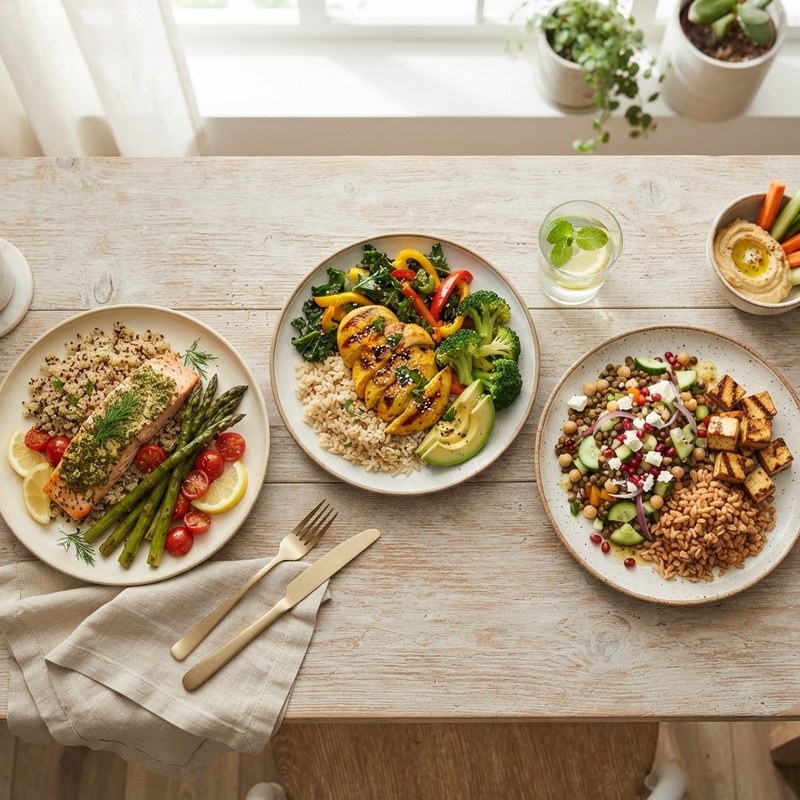
GLP-1 medications work by regulating appetite, which naturally changes how much you eat. But what you eat still matters — arguably more than ever. Because these medications reduce your overall intake, every bite needs to work harder. Here is a practical guide to eating well while taking a GLP-1 medication.
GLP-1 medications work by regulating appetite, which naturally changes how much you eat. But what you eat still matters — arguably more than ever. Because these medications reduce your overall intake, every bite needs to work harder. Here is a practical guide to eating well while taking a GLP-1 medication.
Why Nutrition Quality Matters More on a GLP-1
When appetite is reduced, total calories drop. If those limited calories come mostly from low-nutrient foods, you risk falling short on protein, vitamins, minerals, and fiber — the raw materials your body needs to lose fat while preserving muscle and health.
This is also about how you feel. GLP-1 medications can cause digestive side effects, particularly early on, and food choices influence how manageable those effects are. Smaller, gentler, well-chosen meals tend to sit better than large, heavy, or greasy ones.
Finally, treatment is a window of opportunity. Appetite regulation makes it easier to build new eating patterns, and the habits you practice during treatment are the ones that carry you afterward.
Protein First: The Foundation of Every Meal
Protein is the top priority. It helps preserve muscle during weight loss, supports satiety, and keeps energy steady. Aim to include a protein source at every meal: chicken, turkey, fish, eggs, Greek yogurt, cottage cheese, tofu, tempeh, legumes, or protein powders as convenient options.
Because portions shrink on these medications, protein needs planning. Many people find it helpful to eat the protein on their plate first, ensuring they get it in before feeling full. A rough target many providers use is somewhere around 60 to 100 grams of protein per day, though your specific number should come from your care team.
If eating enough protein from food feels difficult, a simple protein shake can fill the gap. Look for options with minimal added sugar.
Building Balanced, Smaller Meals
After protein, fill in with vegetables and fruits. These provide fiber, which supports digestion — helpful because GLP-1 medications slow stomach emptying. Fiber also supports steady blood sugar and gut health. Aim for variety: leafy greens, berries, cruciferous vegetables, and beans where tolerated.
Include moderate amounts of whole grains and healthy fats. Complex carbohydrates like oats, quinoa, and sweet potato provide energy and fiber, while fats like olive oil, avocado, and nuts support hormone production and satiety. Because fat is calorie-dense, keep portions modest.
A practical plate: half vegetables, a quarter protein, a quarter whole grains or starchy vegetables, plus a small amount of healthy fat. Watch portion sizes — many people on GLP-1 medications feel satisfied with noticeably smaller servings than before.
Foods and Habits That Tend to Sit Better
Some foods are more likely to cause discomfort while on a GLP-1: greasy and fried foods, very high-fat meals, carbonated drinks, and large portions of raw cruciferous vegetables can be harder to digest for some people. Alcohol deserves extra caution, both for its calories and because it can worsen side effects.
Hydration matters more than ever. Reduced food intake means reduced fluid intake from food, and adequate water helps prevent constipation, one of the more common digestive complaints. Aim for consistent water through the day.
Eating slowly and stopping at satisfied rather than full is a skill worth practicing. With appetite regulated, many people find they genuinely prefer this way of eating — but old habits of cleaning the plate take conscious effort to unlearn.
When to Talk to a Healthcare Provider
Nutrition guidance is a core part of any medically supervised weight loss plan. If you are taking a GLP-1 medication or considering one, a licensed provider can help you build an eating approach that fits your life. Visit EOS Health to connect with a clinician.
Glossary
Protein Priority: The practice of eating protein first and building meals around it, helping preserve muscle during reduced-calorie weight loss.
Fiber: The indigestible part of plant foods that supports digestion and steady blood sugar. Especially important because GLP-1 medications slow stomach emptying.
Nutrient Density: The amount of nutrition per calorie. When total intake shrinks, choosing nutrient-dense foods helps meet your body's needs.
Satiety: The feeling of satisfaction after eating. GLP-1 medications improve satiety signals, making smaller portions feel satisfying.
Sources
faq
Common questions, answered.
What are the best foods to eat on a GLP-1 medication?
Prioritize protein at every meal, add vegetables and fruit for fiber, include moderate whole grains and healthy fats, and stay well hydrated. Nutrient-dense foods make reduced portions count.
How much protein should I eat on a GLP-1?
Many providers suggest roughly 60 to 100 grams per day, but your target depends on your body and plan. Eating protein first at each meal is a simple strategy many patients use.
Should I avoid carbs while on a GLP-1 medication?
No. Complex carbohydrates like oats, quinoa, and vegetables provide fiber and energy. Refined carbs and added sugars are worth limiting, not because of the medication, but for overall nutrition quality.
Why is constipation common on GLP-1 medications?
These medications slow stomach emptying, and reduced food intake means less fiber and fluid. Hydration, fiber-rich foods, and movement help manage it. Tell your provider if it persists.
Can I drink alcohol while taking a GLP-1?
Alcohol adds calories and can worsen side effects like nausea. Many providers recommend limiting or avoiding it, especially during dose increases. Discuss your situation with your care team.
Do I need to count calories on a GLP-1?
Not necessarily. Appetite regulation naturally reduces intake for many people. Focusing on food quality, protein, and portion awareness is often more sustainable than strict counting.
What foods should I avoid on a GLP-1 medication?
Greasy, fried, and very high-fat foods, carbonated drinks, and excessive alcohol tend to cause the most digestive discomfort for many people. Very large portions are also harder to tolerate.
Should I take a multivitamin while on a GLP-1?
With reduced intake, some people fall short on certain nutrients. A provider can assess your diet and may suggest specific supplements if needed. Do not start a supplement routine without professional guidance.
Ready to feel like yourself again.™
Start free consultationwhat are you waiting for?
You're one click away from a new you.
Fill out our brief form and a licensed physician will evaluate which treatment plan is best for you.