Whole Grains on GLP-1: A Practical Guide
Discover practical tips for incorporating whole grains on GLP-1 therapy. Learn portion sizes, batch cooking, label reading, and nutrient balance today.
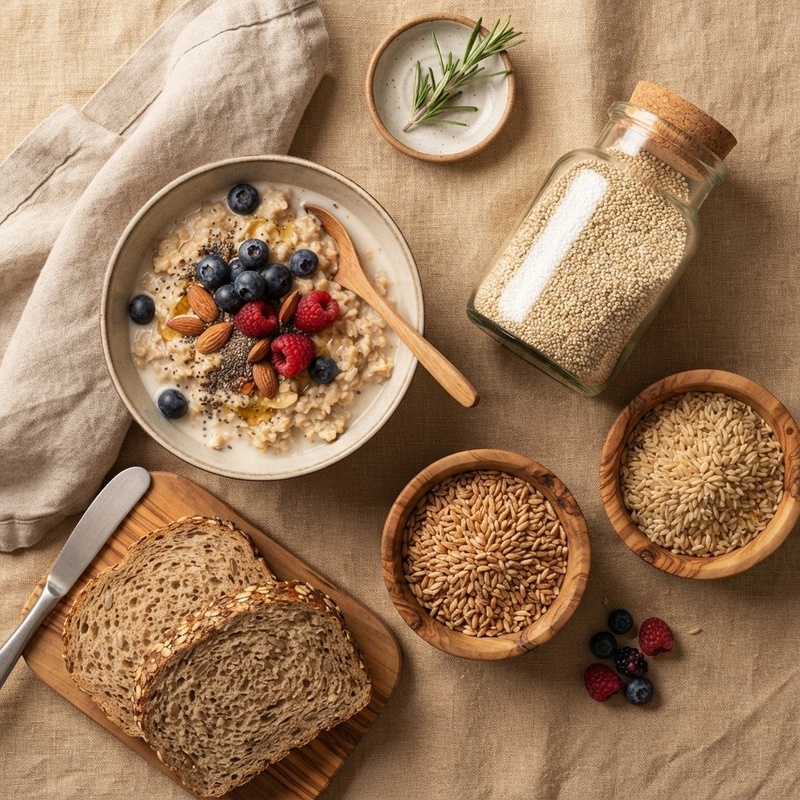
Starting a GLP-1 medication often changes how you approach daily meals. When your appetite is naturally reduced and digestion slows down, choosing nutrient-dense foods becomes an essential priority. Whole grains offer a wealth of complex carbohydrates, dietary fiber, essential vitamins, and minerals that support overall health and energy levels during your weight management journey. However, because appetite capacity is smaller on GLP-1 therapy, many individuals wonder how to include grains without feeling overly full or uncomfortably bloated.
Starting a GLP-1 medication often changes how you approach daily meals. When your appetite is naturally reduced and digestion slows down, choosing nutrient-dense foods becomes an essential priority. Whole grains offer a wealth of complex carbohydrates, dietary fiber, essential vitamins, and minerals that support overall health and energy levels during your weight management journey. However, because appetite capacity is smaller on GLP-1 therapy, many individuals wonder how to include grains without feeling overly full or uncomfortably bloated.
In this practical guide, we explore how to select, prepare, and enjoy whole grains while using GLP-1 medications. From understanding portion sizes to mastering batch cooking and reading food labels, this guide provides actionable steps for building balanced, nourishing meals that work with your body's changing needs. Always remember that nutritional adjustments are best made under the guidance of a licensed healthcare provider or registered dietitian who can tailor recommendations to your personal medical profile.
Understanding Whole Grains and GLP-1 Nutrition
Whole grains retain all three parts of the grain seed: the nutrient-rich germ, the fiber-dense bran, and the starchy endosperm. Unlike refined grains, which have been stripped of bran and germ during processing, whole grains deliver slow-digesting complex carbohydrates alongside key micronutrients like B vitamins, magnesium, iron, and zinc. When managing weight with the help of GLP-1 receptor agonists, maintaining steady energy and supporting digestive wellness are primary goals.
GLP-1 medications work in part by delaying gastric emptying, meaning food moves more slowly through the stomach and upper gastrointestinal tract. Because whole grains already contain soluble and insoluble fiber that promotes gradual digestion, combining them with GLP-1 therapy can help sustain satiety between meals. However, eating very large portions of high-fiber grains quickly might lead to GI discomfort such as fullness, gas, or nausea. Finding the right balance—selecting high-quality grains in modest, well-tolerated portions—allows you to enjoy their health benefits while keeping your stomach comfortable.
The Role of Dietary Fiber in Digestive Health
Dietary fiber plays multiple vital roles when navigating GLP-1 therapy. Soluble fiber absorbs water to form a gel-like substance in the digestive tract, which supports steady blood sugar levels already within a normal range. Insoluble fiber adds bulk to stool, supporting regular bowel movements, which can be particularly beneficial since reduced food intake and slower motility sometimes contribute to sluggish digestion. Gradual introduction of whole grains, paired with adequate fluid intake, helps optimize these digestive benefits.
Fitting Whole Grains Into a Smaller Plate
When appetite decreases on GLP-1 therapy, plate space becomes premium real estate. Prioritizing protein is typically a central focus to support lean muscle mass during weight loss. As a result, starchy foods like whole grains should complement, rather than dominate, your daily meals. Thinking of your plate in balanced proportions can help keep meals both satisfying and manageable.
A helpful visual model is the quarter-plate rule. Imagine dividing your meal plate into four equal sections: fill half the plate with non-starchy vegetables, one quarter with lean protein, and the remaining quarter with nutrient-dense whole grains. On days when your appetite is particularly low, serving sizes can be scaled down even further while preserving this balanced ratio.
Balancing Grains with Protein and Healthy Fats
Pairing whole grains with lean protein sources—such as grilled chicken, fish, tofu, or eggs—alongside small amounts of healthy fats like olive oil or avocado creates a balanced macronutrient profile. Protein and fat further slow digestion and help prevent rapid blood sugar spikes, while keeping you feeling comfortably satisfied for longer periods. If you find whole grains too filling on their own, try combining small cooked portions with leafy greens or adding cooked grains to a clear soup base.
Top Whole Grains to Include in Your Routine
Not all grains affect digestion or fullness in the same way. Experimenting with different textures and fiber contents helps identify which whole grains best suit your palate and digestive comfort while on GLP-1 medication. Below are five versatile whole grains that offer exceptional nutritional value.
Oats
Oats are rich in beta-glucan, a potent soluble fiber known to support healthy cholesterol levels and digestive health. Rolled oats or steel-cut oats provide a soothing, easily digestible breakfast option. Preparing warm oatmeal with water or unsweetened plant milk and topping it with a scoop of protein powder or a spoon of nut butter creates a gentle, nutrient-packed meal that is easy on the stomach.
Quinoa
Although technically a pseudo-cereal seed, quinoa is cooked and enjoyed like a whole grain. It is a complete protein, containing all nine essential amino acids, making it an excellent choice for plant-based nutrition. Quinoa is naturally gluten-free, light in texture, and cooks quickly, making it a convenient addition to salads, power bowls, or side dishes.
Brown Rice
Brown rice offers a familiar, nutty whole-grain alternative to white rice. It contains magnesium, phosphorus, and essential B vitamins. Because brown rice has a chewy texture, chewing each bite thoroughly supports gentle digestion, especially when adjusting to GLP-1 medications. Long-grain varieties or quick-cooking brown rice can simplify meal preparation.
Farro
Farro is an ancient wheat grain with a satisfying, nutty flavor and firm texture. Packed with complex carbohydrates, protein, and dietary fiber, farro holds its shape well in soups, stews, and grain salads. Its dense texture means a small portion goes a long way toward providing lasting satiety.
Whole-Grain Bread
When selecting bread, opting for 100% whole grain or sprouted grain varieties provides significantly more fiber and micronutrients than refined white bread. Look for loaves that list "whole wheat" or another whole grain as the very first ingredient. Open-faced sandwiches or thin whole-grain toast topped with avocado and scrambled eggs offer a manageable, nutrient-dense breakfast or lunch option.
Portion Sizes and Label Reading for Whole Grains
Understanding appropriate portion sizes helps prevent uncomfortable fullness when taking GLP-1 medications. Because reduced stomach volume requires extra mindfulness, serving sizes of whole grains may need to be adjusted compared to pre-medication habits.
A standard serving of cooked whole grains is typically about one-half cup, or roughly the size of a cupped palm. For individuals experiencing reduced appetite or mild gastrointestinal sensitivity, starting with a one-quarter cup serving and monitoring how you feel is often a prudent approach. You can always increase portions gradually as your body adapts.
How to Read Labels for True Whole Grains
Food packaging can sometimes be misleading. Phrases such as "made with whole grains," "multigrain," or "7-grain" do not indicate that a product is predominantly whole grain. To evaluate products accurately, apply these practical label-reading guidelines:
- Check the Ingredient List: Ensure the word "whole" appears before the first grain listed, such as "whole wheat flour," "whole oats," or "whole rye."
- Examine Dietary Fiber Content: Aim for products that offer at least 3 to 5 grams of dietary fiber per serving.
- Watch for Added Sugars: Many commercial whole-grain breads, cereals, and pre-packaged oat options contain added sugars. Compare labels to choose options with minimal added sugars.
- Identify Refined Flour Blends: If "enriched wheat flour" or "unbleached wheat flour" is listed first, the product consists primarily of refined grain, even if small amounts of whole grains are mixed in.
Simple Batch-Cooking Strategies for Meal Support
Meal prep can save time and energy, especially on days when GLP-1 side effects like mild fatigue or nausea make cooking unappealing. Batch-cooking whole grains ensures you always have pre-portioned, nutritious options ready in your refrigerator or freezer.
Cooking large batches of versatile grains like quinoa, brown rice, or farro on weekends allows you to divide them into individual container portions. Cooked grains store well in airtight containers in the refrigerator for up to 4 to 5 days, or in the freezer for up to 3 months. Adding a splash of low-sodium broth or water when reheating helps restore moisture and tender texture.
Quick Assembly Ideas for Prepared Grains
Having pre-cooked whole grains on hand allows for quick, stress-free meal assembly:
- Grain Bowls: Toss 1/4 to 1/2 cup of pre-cooked quinoa with chopped vegetables, diced chicken breast, and a drizzle of olive oil.
- Nourishing Soups: Stir pre-cooked farro or brown rice into vegetable or chicken soup during the final minutes of reheating.
- Breakfast Porridge: Reheat cooked oats or quinoa with almond milk, a sprinkle of cinnamon, and fresh berries for a quick morning meal.
Conclusion: Building a Balanced, Sustainable Routine
Incorporating whole grains into your diet while taking GLP-1 medications is a practical way to support overall nutrition, steady energy, and digestive health. By choosing nutrient-dense grains like oats, quinoa, brown rice, farro, and 100% whole-grain bread, practicing portion control, and batch-cooking ahead of time, you can nourish your body while respecting your reduced appetite. Remember that everyone's journey with GLP-1 therapy is unique, and dietary changes should always be tailored to your specific medical history and goals.
If you are considering medical weight management options or want personalized clinical support on your health journey, explore the telehealth solutions available at EOS Health Weight Loss. Qualified clinicians can evaluate your health history and guide you toward a safe, evidence-based plan that fits your lifestyle. Note that all prescription medications require a comprehensive clinical evaluation by a licensed healthcare provider, and compounded medications, where offered, are not FDA-approved. Individual experiences and results may vary.
Whole Grain
A grain that retains all three original components—the bran, germ, and endosperm—in their natural proportions, offering rich dietary fiber and nutrients.
GLP-1 Receptor Agonist
A class of prescription medications that mimic the natural GLP-1 hormone to help regulate appetite, support blood sugar control, and assist in weight management.
Soluble Fiber
A type of dietary fiber that dissolves in water to form a gel-like substance, helping slow digestion and support healthy blood sugar levels.
Insoluble Fiber
A type of dietary fiber that does not dissolve in water, adding bulk to digestive contents and supporting regular bowel movements.
Gastric Emptying
The process by which food leaves the stomach and enters the small intestine, which is naturally slowed by GLP-1 receptor agonist medications.
Sources
faq
Common questions, answered.
Are whole grains allowed on GLP-1 medications?
Yes, whole grains can be part of a balanced diet while taking GLP-1 medications. They provide essential fiber, vitamins, and minerals. Because appetite is reduced, keeping portion sizes modest helps ensure you consume adequate protein while still enjoying the nutritional benefits of whole grains.
Which whole grain is easiest to digest on GLP-1 therapy?
Oats and quinoa are often reported as easy to digest due to their soft texture when cooked and high soluble fiber content. However, individual digestive tolerance varies, so introducing small portions gradually is recommended.
How much whole grain should I eat per meal while on GLP-1?
A typical portion is about 1/4 to 1/2 cup of cooked grains per meal. Starting with smaller amounts allows you to gauge your fullness and comfort level, adjusting as needed under clinician guidance.
Can eating whole grains cause bloating on GLP-1 medications?
Because GLP-1 medications slow digestion, consuming large quantities of high-fiber foods rapidly may cause temporary gas or bloating. Increasing fiber gradually and drinking plenty of water helps support comfortable digestion.
What is the difference between whole grains and refined grains?
Whole grains include all parts of the grain kernel—bran, germ, and endosperm—retaining natural fiber and nutrients. Refined grains have the bran and germ removed, which strips away much of their fiber and micronutrient content.
Is whole-grain bread a good choice while taking GLP-1?
Whole-grain bread can be a nutritious option if it contains 100% whole grain flour and minimal added sugar. Pairing a single slice with a lean protein source provides a quick, nutrient-dense mini-meal.
How should I store batch-cooked whole grains?
Store cooked whole grains in airtight containers in the refrigerator for up to 4-5 days, or freeze them in portion-sized containers for up to 3 months. Reheat thoroughly with a splash of water or broth before serving.
Should I consult my doctor about my diet on GLP-1?
Yes, discussing your nutritional plan with a licensed healthcare provider or registered dietitian ensures your meal choices align with your specific health profile and medication dosage.
Ready to feel like yourself again.™
Start free consultationwhat are you waiting for?
You're one click away from a new you.
Fill out our brief form and a licensed physician will evaluate which treatment plan is best for you.