Why Heat and Cold Stress Are Studied in Longevity Science
Discover how heat and cold stress are studied in longevity science to support cellular adaptation, mitochondrial health, and cardiovascular resilience.
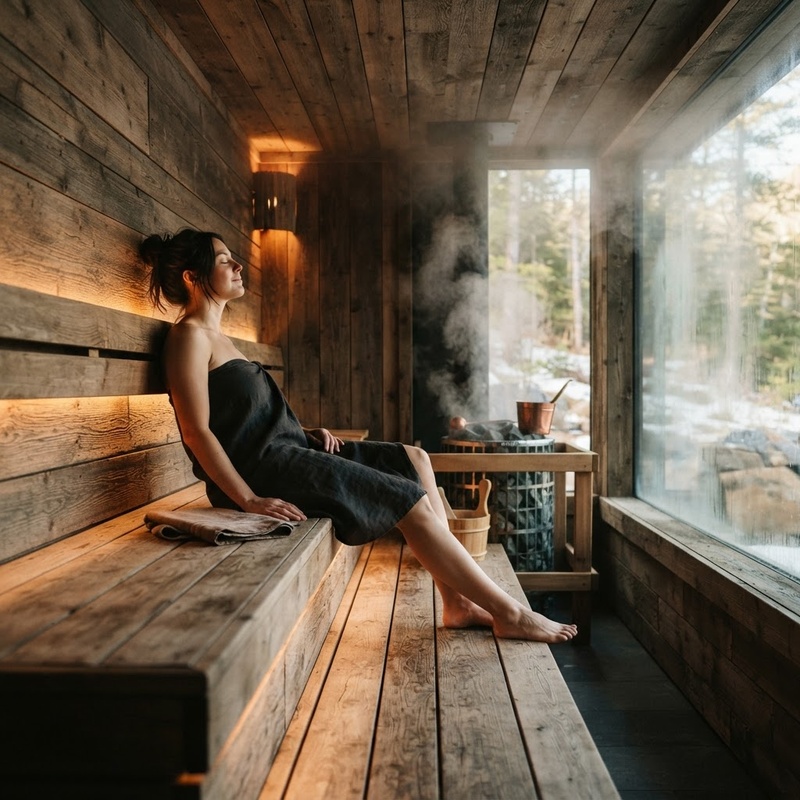
In recent years, longevity science has expanded far beyond foundational lifestyle recommendations such as balanced nutrition and regular physical activity. Researchers around the globe are increasingly fascinated by how controlled environmental factors influence cellular longevity, metabolic adaptability, and physiological resilience. Among the most actively researched domains is thermal stress—the deliberate, calibrated application of elevated temperatures (such as traditional saunas or infrared heat) or reduced temperatures (such as cold-water immersion or cryotherapy). Far from being modern wellness novelties, temperature variations have been integrated into Scandinavian, East Asian, and indigenous bathing traditions for centuries. Today, modern cell biology and molecular physiology are revealing the underlying mechanisms that explain how human tissues respond to environmental stimuli.
In recent years, longevity science has expanded far beyond foundational lifestyle recommendations such as balanced nutrition and regular physical activity. Researchers around the globe are increasingly fascinated by how controlled environmental factors influence cellular longevity, metabolic adaptability, and physiological resilience. Among the most actively researched domains is thermal stress—the deliberate, calibrated application of elevated temperatures (such as traditional saunas or infrared heat) or reduced temperatures (such as cold-water immersion or cryotherapy). Far from being modern wellness novelties, temperature variations have been integrated into Scandinavian, East Asian, and indigenous bathing traditions for centuries. Today, modern cell biology and molecular physiology are revealing the underlying mechanisms that explain how human tissues respond to environmental stimuli.
At the core of thermal stress research is the concept of physical resilience. When body tissues experience short, manageable shifts in temperature, they undergo mild physiological strain. In response, cells activate sophisticated defense and maintenance pathways designed to clean, repair, and reinforce biological structures. Rather than causing lasting tissue damage, these transient environmental challenges act as a training stimulus for cellular machinery, helping cells handle daily biochemical demands more efficiently. Understanding why researchers study heat and cold stress offers valuable insights into how human physiology adapts to environmental stress and how individuals, under clinical guidance, can support healthy aging over time.
The Concept of Hormesis: How Mild Stressors Prompt Cellular Adaptation
To understand why thermal stress commands significant attention in longevity science, one must first explore the biological principle of hormesis. Hormesis describes an adaptive dose-response relationship wherein low or moderate exposure to a stressor triggers beneficial cellular defense mechanisms, whereas high doses of the same stressor would lead to tissue injury or toxicity. In biological systems, mild stressors signal to cells that environmental conditions are changing, prompting them to bolster structural integrity and metabolic capacity.
Heat Shock Proteins and Protein Folding Quality Control
When body temperature elevates during a sauna session or thermal exposure protocol, cells synthesize specialized chaperone molecules known as heat shock proteins (HSPs), notably HSP70 and HSP90. Within every living cell, proteins must maintain precise three-dimensional folded configurations to carry out enzymatic reactions, signal transduction, and structural support. Internal and external stressors—including elevated temperature, metabolic byproducts, and oxidative stress—can cause proteins to unfold, misfold, or form cellular aggregates that impair function. Research indicates that heat shock proteins bind to destabilized proteins, facilitating proper refolding or directing damaged molecules toward cellular degradation and recycling pathways. By enhancing protein quality control (proteostasis), HSP activation supports cellular structural integrity under thermal stress.
Cold Shock Proteins and RNA Stabilization
Conversely, exposure to cold environments activates a distinct suite of adaptive signaling molecules known as cold shock proteins. A primary focus of neurobiological and longevity research is RNA-binding motif protein 3 (RBM3). In animal models and emerging human research, RBM3 synthesis increases significantly in response to mild hypothermic challenges. Laboratory observations show that RBM3 plays a vital role in stabilizing messenger RNA, preserving synaptic structural integrity, and supporting ongoing protein synthesis during cellular recovery. This specialized response demonstrates how heat and cold trigger distinct yet complementary pathways of cellular adaptation.
Autophagy and Mitochondrial Quality Maintenance
Both heat and cold exposure appear to converge on core mechanisms of cellular maintenance and turnover. Studies suggest that transient temperature fluctuations modulate cellular energy-sensing pathways, stimulating autophagy—the process by which cells break down, clear, and recycle worn-out organelles and damaged protein complexes. Furthermore, thermal challenges encourage mitochondrial biogenesis, the process of forming new, energetically efficient mitochondria within tissues. Because mitochondrial health is directly linked to cellular energy production and metabolic stability, researchers consider these organellar adaptations central to long-term physical resilience.
Saunas and Thermal Stress: Insights into Cardiovascular and Vascular Health
Heat exposure, through traditional Finnish saunas, infrared thermal cabins, and warm immersion baths, represents one of the most thoroughly documented modalities in longevity science. Multi-decade observational research, particularly large cohort studies conducted in Northern Europe, has provided detailed datasets examining the correlation between regular sauna utilization and physiological outcomes.
Vascular Dilation and Hemodynamic Responses
When the human body is exposed to warm ambient environments, cutaneous blood vessels dilate in an effort to dissipate heat away from the body core. This widespread vasodilation reduces systemic peripheral resistance while heart rate increases to maintain adequate cardiac output, creating a hemodynamic response similar to moderate-intensity aerobic physical activity. Research indicates that regular heat exposure stimulates endothelial nitric oxide synthase (eNOS) activity within blood vessel linings. Nitric oxide serves as an essential signaling molecule that promotes smooth muscle relaxation in vessel walls, supporting vascular compliance and healthy blood flow regulation.
Cardiovascular Conditioning and Hemodynamic Adaptations
Physiologists often describe sauna bathing as an environmental stimulus that provides passive cardiovascular exercise mimicry. Repeated, routine thermal sessions encourage expanded plasma volume, improved sweat gland efficiency, and optimized stroke volume. Clinical studies observe that individuals who consistently participate in thermal protocols demonstrate favorable patterns in arterial flexibility, microvascular perfusion, and systemic circulation parameters. While sauna exposure is not a substitute for active physical exercise, longevity researchers view thermal heat stress as a valuable complementary approach for supporting overall cardiovascular wellness.
Cold Exposure and Mitochondrial Dynamics: Brown Adipose Tissue and Resilience
At the opposite end of the thermal spectrum, cold stress—achieved through cold showers, structured ice immersion, or cryotherapy protocols—triggers powerful neuroendocrine and metabolic responses. When thermoreceptors in the skin detect reduced temperatures, they transmit rapid impulses to the hypothalamus, initiating a surge of catecholamines, primarily norepinephrine and epinephrine.
Brown Adipose Tissue Activation and Energy Thermogenesis
Unlike conventional white adipose tissue, which primarily stores excess energy as triglycerides, brown adipose tissue (BAT) contains a high density of mitochondria enriched with uncoupling protein 1 (UCP1). When activated by cold exposure and sympathetic nervous system signaling, UCP1 allows protons in the mitochondrial matrix to bypass standard ATP production, releasing stored chemical energy directly as thermal energy. This process, known as non-shivering thermogenesis, helps maintain core body temperature in cooler conditions. Research suggests that periodic cold exposure can stimulate and recruit brown fat deposits, supporting glucose handling and overall metabolic adaptability.
Autonomic Nervous System Modulation and Stress Recovery
The immediate physiological reaction to sudden cold immersion includes a brief elevation in heart rate, rapid breathing, and heightened cognitive alertness—a classic sympathetic nervous system response. Over repeated sessions, however, individuals often develop autonomic habituation. Physiological evaluations demonstrate that consistent cold challenges can foster enhanced parasympathetic recovery after the stressor ends. Longevity researchers view this ability to transition smoothly between sympathetic activation and parasympathetic restoration as a key marker of autonomic balance and biological resilience.
Combining Temperature Variation: Contrast Therapy and Physical Resilience
Contrast therapy involves alternating between warm heat exposure and cold immersion within a single structured session. This rapid transition between temperature extremes creates a rhythmic pumping effect in microvascular and lymphatic networks: warmth prompts vessel expansion (vasodilation), whereas cold induces vessel contraction (vasoconstriction).
Microvascular Perfusion and Fluid Dynamics
Investigative studies in sports medicine, recovery science, and physical therapy suggest that contrast protocols can support local microvascular perfusion, facilitate the movement of extracellular fluid, and encourage lymphatic circulation in peripheral tissues. By repeatedly alternating between vasodilatory and vasoconstrictive stimuli, contrast therapy engages vascular smooth muscle tissue and alters local metabolic transport.
Nervous System Adaptation and Recovery Science
In addition to vascular responses, contrast therapy presents a dynamic challenge to the autonomic nervous system. Shifting rapidly from a relaxing, vasodilatory heat environment to a bracing cold stimulus requires rapid recalibration of autonomic tone. Clinical observers note that this dual-stimulus approach provides a unique physiological training stimulus, allowing researchers to study how adaptive systems coordinate cardiovascular, metabolic, and neurological responses simultaneously.
Safety, Individual Differences, and Personalized Protocols
While the biochemical and physiological mechanisms surrounding thermal stress are compelling, longevity science emphasizes that temperature exposure is a potent physiological stimulus that requires careful, individualized implementation. Thermal practices are not one-size-fits-all interventions, and physiological responses vary considerably based on age, baseline cardiovascular fitness, underlying medical history, and personal stress tolerance.
Clinical Considerations and Health Status
Individuals with existing cardiovascular conditions, unmanaged blood pressure variations, autonomic dysregulation, or those who are pregnant must approach thermal exposure with caution. Sudden shifts in environmental temperature can produce rapid changes in heart rate, blood pressure, and vascular tone that may pose physiological challenges for vulnerable individuals. Furthermore, maintaining proper hydration status, electrolyte balance, and gradual exposure duration are crucial elements of safe protocol design.
The Importance of Individualized Clinical Guidance
Because every person's physiological baseline is unique, longevity researchers and healthcare clinicians advocate for personalized guidance when considering thermal stress protocols. Integrating heat or cold interventions into a comprehensive healthy aging plan should always be informed by personal medical history, comprehensive lab interpretation, and professional clinical oversight rather than unguided or extreme experimentation.
Navigating Longevity Science with Personal Guidance
Exploring cellular adaptation, hormetic stress, mitochondrial dynamics, and cardiovascular health provides an inspiring lens through which to view human resilience. Thermal stress research demonstrates how calibrated environmental challenges can encourage cells to reinforce their structural defenses and maintain metabolic flexibility. However, translating academic findings into safe, effective, and individualized wellness practices requires expert guidance tailored to your specific physiological profile.
At EOS Health, our clinical team works closely with individuals to evaluate baseline physiological markers, interpret comprehensive laboratory data, and construct evidence-informed wellness guidance. Whether you are curious about optimizing thermal recovery strategies or exploring broader longevity science initiatives, collaborating with a licensed healthcare clinician ensures your approach is grounded in safety and clinical precision. Explore our personalized clinical guidance options and evidence-informed strategies by visiting EOS Health Longevity Services today.
Hormesis
A biological mechanism in which exposure to low doses of a stressor stimulates adaptive repair pathways that enhance overall cellular resilience.
Heat Shock Proteins (HSPs)
A specialized group of molecular chaperone proteins that facilitate proper protein folding and preserve proteostasis during thermal stress.
Brown Adipose Tissue (BAT)
A mitochondria-dense adipose tissue that generates body heat by utilizing stored energy in a process known as non-shivering thermogenesis.
Cold Shock Proteins
Stress-responsive molecules such as RBM3 that are expressed during cold exposure to protect messenger RNA stability and cellular structure.
Vasodilation
The enlargement of blood vessels resulting from the relaxation of vascular smooth muscle cells, increasing peripheral blood flow.
Sources
faq
Common questions, answered.
What is hormesis in longevity science?
Hormesis is a biological principle where mild, controlled environmental stress stimulates cellular defense pathways, enhancing physiological resilience and cellular repair without causing tissue injury.
How do heat shock proteins function during sauna exposure?
Heat shock proteins act as molecular chaperones during elevated temperatures, helping refold misfolded proteins and directing damaged cellular components toward degradation pathways to maintain protein stability.
What role do cold shock proteins play in cellular adaptation?
Cold shock proteins, such as RBM3, are synthesized in response to cold stress and assist in stabilizing RNA, preserving synaptic structures, and supporting ongoing protein synthesis during cellular recovery.
Does cold exposure stimulate brown adipose tissue activity?
Research indicates that cold exposure activates brown adipose tissue via sympathetic nervous system signaling and uncoupling protein 1, promoting non-shivering thermogenesis and metabolic adaptability.
How does sauna bathing support cardiovascular health?
Sauna exposure promotes widespread vasodilation, increases heart rate, and stimulates endothelial nitric oxide production, which supports blood vessel flexibility and healthy systemic circulation.
What is contrast therapy and how does it influence blood flow?
Contrast therapy alternates between heat and cold exposure, causing alternating vasodilation and vasoconstriction that promotes microvascular perfusion and peripheral fluid dynamics.
Who should consult a healthcare clinician before starting thermal practices?
Individuals with cardiovascular conditions, blood pressure fluctuations, autonomic dysregulation, or pregnant individuals should consult a licensed clinician prior to initiating extreme temperature protocols.
Are thermal stress protocols suitable for everyone?
Thermal stress tolerances differ significantly depending on age, baseline fitness, and underlying medical conditions, making individual clinical evaluation essential for safe application.
Invest in the years ahead.™
Start free consultationwhat are you waiting for?
You're one click away from a new you.
Fill out our brief form and a licensed physician will evaluate which treatment plan is best for you.