Why Does Recovery Slow Down After 40?
Learn why physical recovery slows down after age 40, including physiological changes in muscle and collagen, plus evidence-based lifestyle strategies.
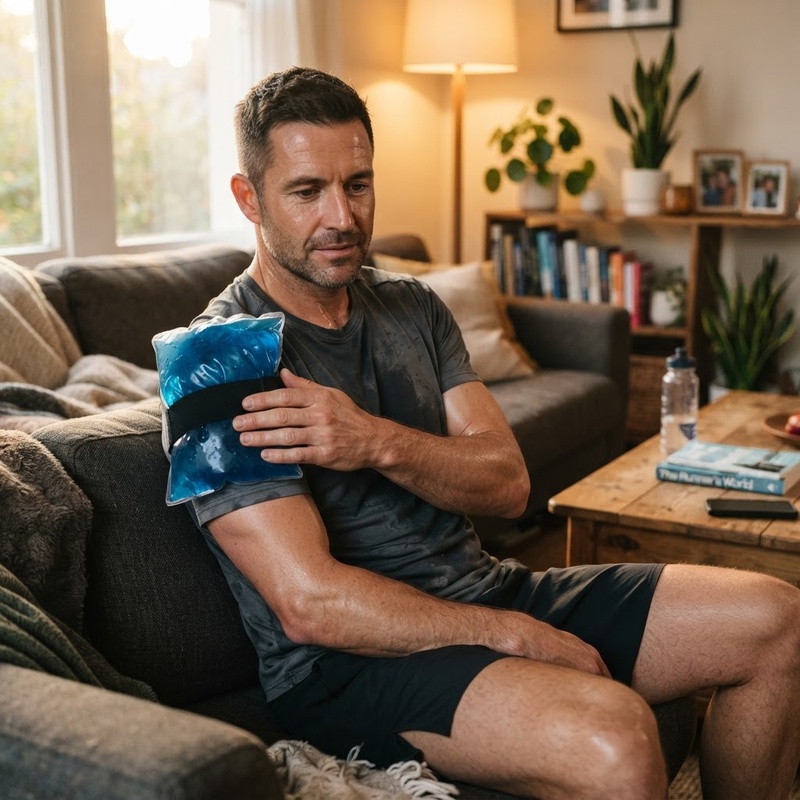
Many active adults notice a distinct shift in physical resilience as they enter their fourth and fifth decades. Workouts that once required a single rest day might now leave muscles feeling fatigued for two or three days. Joint stiffness after prolonged exercise becomes more noticeable, and subtle aches linger longer than they used to in earlier years.
Many active adults notice a distinct shift in physical resilience as they enter their fourth and fifth decades. Workouts that once required a single rest day might now leave muscles feeling fatigued for two or three days. Joint stiffness after prolonged exercise becomes more noticeable, and subtle aches linger longer than they used to in earlier years. These observations are not merely psychological; they reflect well-documented physiological changes occurring across the endocrine, musculoskeletal, and vascular systems during middle adulthood.
Understanding why physical recovery slows down after age 40 empowers individuals to adjust their lifestyle habits, training protocols, and health maintenance strategies appropriately. Rather than viewing age-related shifts as an inevitable decline into physical inactivity, research highlights that active adults can manage their recovery trajectory by aligning daily habits with changing biological needs.
Hormonal and Metabolic Shifts in Middle Adulthood
The endocrine system undergoes gradual, progressive recalibration as humans age. While these shifts occur naturally, their cumulative impact on tissue repair, protein synthesis, and energy metabolism becomes increasingly noticeable after age 40.
Endocrine Changes and Somatopause
Beginning in early adulthood, systemic concentrations of key anabolic signaling molecules begin a slow decline of approximately 1% to 2% per year. The gradual reduction in pituitary growth hormone secretion—and the corresponding decrease in circulating liver-derived Insulin-Like Growth Factor 1 (IGF-1)—is termed the somatopause. Growth hormone and IGF-1 are critical drivers of basal protein synthesis and cellular turnover. Lower baseline concentrations mean that structural tissues rebuild at a somewhat more deliberate physiological pace following exercise-induced micro-damage.
Gonadal Steroid Reductions and Metabolic Rate
In addition to somatotropic shifts, circulating sex hormones such as testosterone in men and estrogen in women decline progressively during middle adulthood. Testosterone supports muscle stem cell recruitment and protein accretion, while estrogen plays vital roles in joint lubrication, bone density maintenance, and tendon collagen synthesis. Concurrently, basal metabolic rate declines slightly, often accompanied by subtle shifts in insulin sensitivity and nutrient partitioning, making efficient refueling and muscle preservation key priorities.
Structural Changes in Muscle, Tendons, and Joint Tissues
Beyond systemic hormonal signaling, structural tissues themselves experience characteristic histological changes that directly influence how quickly muscles and joints bounce back after exertion.
Sarcopenia and Muscle Fiber Alterations
Sarcopenia refers to the age-related loss of skeletal muscle mass, quality, and strength. Starting around age 40, adults naturally lose a small percentage of muscle mass per decade if active preservation efforts are not maintained. Crucially, age-related muscle loss preferentially affects Type II (fast-twitch) muscle fibers—the high-power fibers recruited during high-intensity training, sprinting, and heavy lifting. Furthermore, older skeletal muscle demonstrates "anabolic resistance," meaning it requires a higher threshold of dietary amino acids to trigger the same level of muscle protein synthesis compared to younger tissue.
Collagen Cross-Linking and Tendon Stiffness
Tendons, ligaments, and extracellular matrix structures consist primarily of collagen proteins. With advancing age, advanced glycation end-products (AGEs) accumulate within connective tissue matrices, causing non-enzymatic collagen cross-linking. This process increases tendon stiffness and reduces tensile elasticity. Consequently, tendons become less effective at absorbing sudden mechanical impacts, increasing vulnerability to overuse strain and extending the timeframe required for matrix remodeling after strenuous exercise.
Microvascular Health and Nutrient Delivery Efficiency
Efficient physical recovery relies upon robust circulatory delivery of oxygen, glucose, and amino acids to damaged tissues, alongside the effective clearance of metabolic byproducts and cellular debris.
Blood Flow and Capillarity in Aging Skeletal Muscle
Microvascular density and endothelial responsiveness gradually decline with biological age. Capillaries surrounding skeletal muscle fibers may undergo slight regression, reducing micro-perfusion rates during post-exercise recovery windows. Reduced microvascular delivery can prolong the presence of post-exercise inflammatory mediators, contributing to delayed onset muscle soreness (DOMS) that lingers longer than in younger years.
Mitochondrial Dynamics and Cellular Energy
Mitochondria—the cellular powerhouses responsible for generating adenosine triphosphate (ATP)—exhibit gradual reductions in density and respiratory capacity over time. Lower mitochondrial efficiency impairs the speed at which muscle cells restore intracellular phosphocreatine stores and clear oxidative stress after high-demand physical exertion, delaying total metabolic recovery.
Key Lifestyle Factors Active Adults Can Control
While biological aging introduces real physiological constraints, lifestyle factors exert a profound modulating influence on recovery capacity. Active adults who optimize foundational health habits can preserve high levels of physical performance and resilience well into their 40s, 50s, and beyond.
Optimizing Sleep Architecture and Restorative Sleep
Because nocturnal sleep remains the primary biological window for growth hormone release and central nervous system recovery, sleep quality becomes non-negotiable after age 40. Older adults often experience lighter, more fragmented sleep, reducing time spent in deep slow-wave sleep (stage N3). Implementing strict sleep hygiene practices—such as maintaining a cool bedroom environment, limiting evening screen exposure, and adhering to consistent sleep schedules—supports natural restorative processes.
Protein Distribution and Overcoming Anabolic Resistance
To overcome age-related anabolic resistance, adults over 40 benefit from paying close attention to dietary protein quantity and timing. Studies suggest distributing protein evenly across daily meals, aiming for 30 to 40 grams of high-quality protein per meal containing adequate leucine (an essential amino acid that activates muscle protein synthesis cascades). Combining protein intake with adequate overall caloric intake prevents involuntary catabolism of lean tissue.
Smart Training Load and Progressive Overload
High-intensity training remains highly beneficial for older adults, but training frequency and volume must respect altered recovery rates. Implementing strategic auto-regulation, scheduled deload weeks, and adequate rest intervals between intense resistance sessions allows tissues sufficient time to adapt. Emphasizing thorough warm-ups, mobility work, and low-intensity active recovery activities like walking or swimming promotes micro-circulation without adding structural stress.
Systemic Inflammaging and Cellular Repair Mechanisms
Another major biological factor influencing physical resilience during middle adulthood is the phenomenon known as "inflammaging"—a chronic, low-grade, sterile systemic inflammation that gradually increases with biological age. Unlike acute post-exercise inflammation, which serves as a vital signal for structural tissue remodeling, persistent baseline inflammation can alter repair processes and delay physical recovery.
Cytokine Profiles and Satellite Cell Function
As individuals age, baseline circulating levels of pro-inflammatory cytokines, such as interleukin-6 (IL-6) and tumor necrosis factor-alpha (TNF-alpha), often demonstrate slight elevations. Clinical research indicates that persistent pro-inflammatory signaling can suppress muscle satellite cell activity, delaying their activation, proliferation, and fusion with damaged muscle fibers following strenuous exercise. This prolonged inflammatory state can extend the duration of post-workout muscle soreness and impair structural extracellular matrix remodeling in tendons and connective tissues.
Mitochondrial Oxidative Stress and Cellular Senescence
Over decades of physical activity, cumulative oxidative stress can contribute to subtle mitochondrial dysfunction and the accumulation of senescent cells within musculoskeletal tissues. Senescent cells remain metabolically active but cease dividing, releasing pro-inflammatory molecules (collectively termed the senescence-associated secretory phenotype, or SASP) that alter surrounding healthy tissue microenvironments. Studies suggest that optimizing lifestyle habits to support endogenous cellular antioxidant defense systems helps maintain tissue responsiveness and cellular vitality during middle adulthood.
Nutritional Modifications to Support Tissue Maintenance After 40
In addition to protein quantity and timing, overall dietary composition plays a central role in modulating recovery capacity during middle adulthood. Adjusting dietary habits to address changing physiological demands supports structural tissue maintenance.
Micronutrient Density and Antioxidant Support
Research suggests that consuming a nutrient-dense diet rich in natural antioxidants—such as vitamins C and E, polyphenols, and carotenoids—helps buffer cellular oxidative stress generated during hard physical training. Furthermore, minerals like zinc and magnesium serve as necessary cofactors for enzymatic reactions involved in protein synthesis and DNA repair, supporting general cellular maintenance.
Hydration and Extracellular Matrix Resilience
Connective tissues, including cartilage and tendons, rely heavily on adequate systemic hydration to maintain proteoglycan hydration and extracellular matrix elasticity. As adults age, thirst sensation can become less sensitive, increasing the risk of subtle chronic dehydration. Maintaining consistent daily fluid and electrolyte intake supports joint lubrication and tissue elasticity, helping preserve physical mobility under regular physical effort.
Addressing Common Myths Regarding Recovery After 40
Navigating physical recovery in middle age often requires sifting through prevailing cultural myths and outdated health advice. Separating scientific evidence from popular misconception empowers active adults to adopt safer, more sustainable physical management strategies.
Myth: Active Adults Should Avoid Heavy Resistance Training
A widespread misconception is that individuals over age 40 should transition exclusively to low-impact aerobic exercise to prevent joint damage. However, clinical research highlights that progressive mechanical loading through resistance exercise is essential for stimulating bone mineral density, maintaining Type II fast-twitch muscle fibers, and supporting tendon collagen synthesis. When structured with intelligent periodization and proper movement mechanics, resistance training remains a fundamental pillar of lifelong musculoskeletal preservation.
Myth: Passive Rest Is Always Superior to Active Recovery
While complete rest days are necessary after maximal physical effort, prolonged immobility can reduce micro-vascular circulation and exacerbate post-exercise joint stiffness. Evidence indicates that low-intensity active recovery—such as leisure walking, mobility exercises, light swimming, or easy cycling—promotes systemic blood flow and micro-vascular tissue perfusion without adding mechanical strain to recovering muscles, helping clear metabolic byproducts more efficiently. Incorporating active recovery sessions between high-demand workouts helps preserve joint mobility and functional movement patterns.
When to Consult a Licensed Clinician for Evaluation
While slower recovery after 40 is a widespread physiological observation, excessive fatigue, chronic joint pain, or sudden drops in physical stamina should not be dismissed simply as "getting older." Underlying health issues—such as thyroid dysfunction, biological nutrient deficiencies, metabolic imbalances, or significant endocrine deficiencies—can masquerade as age-related slowdowns.
A licensed healthcare provider can perform comprehensive diagnostic evaluations, including detailed blood chemistry panels, lipid profiles, hormonal assessments, and inflammatory biomarker screening. Identifying specific biological bottlenecks allows clinicians to recommend targeted, evidence-based health plans tailored to your specific physiological profile.
Building a Sustainable Longevity and Recovery Strategy
Adapting your recovery strategy after age 40 is an investment in long-term physical independence, injury prevention, and athletic longevity. By working alongside qualified medical professionals and prioritizing sleep, nutrition, and intelligent training design, active adults can continue pursuing demanding physical goals safely and effectively.
Ready to explore whether a personalized recovery plan is right for you? Complete a short online intake at EOS Health.
Somatopause
The progressive decline in growth hormone and IGF-1 secretion by the somatotropic axis that occurs naturally as part of the biological aging process during adult decades.
Sarcopenia
The age-related loss of skeletal muscle mass, strength, and tissue quality, which can be mitigated through resistance exercise and targeted nutrition.
Anabolic Resistance
A physiological condition common in aging muscle where higher amounts of amino acid stimuli are necessary to induce maximal protein synthesis responses.
Tendinopathy
A broad clinical term describing painful structural changes, micro-tears, or degeneration in tendons, often exacerbated by reduced collagen elasticity in middle age.
Microvascular Density
The total concentration and capillary network layout supplying blood to peripheral tissue fibers, supporting nutrient delivery and byproduct clearance.
Sources
faq
Common questions, answered.
Why do muscles feel sore for longer after age 40?
Muscles tend to feel sore longer due to a combination of lower natural hormone levels, reduced microvascular blood flow, decreased mitochondrial efficiency, and heightened sensitivity to exercise-induced micro-damage. These factors slow down cellular repair rates compared to younger decades.
What is anabolic resistance in aging muscle?
Anabolic resistance is the reduced sensitivity of aging skeletal muscle to dietary protein and amino acids. Older muscle tissue requires a higher dose of dietary leucine and protein per meal to trigger muscle protein synthesis pathways to the same degree as younger muscle.
Does growth hormone decline significantly after 40?
Yes. Growth hormone secretion declines by about 1% to 2% annually throughout adulthood. This gradual reduction, known as somatopause, leads to lower baseline circulating IGF-1 levels, affecting tissue turnover rates.
How does tendon stiffness change as we age?
With age, non-enzymatic cross-linking of collagen fibers increases due to accumulated advanced glycation end-products (AGEs). This makes tendons stiffer and less resilient to sudden elastic loading, increasing the need for structured warm-ups and longer recovery windows.
Can active adults still build muscle after age 40?
Absoluty. Progressive resistance training combined with adequate dietary protein and proper recovery allows adults over 40 to build muscle mass, increase strength, and improve metabolic health effectively.
How much protein should active adults over 40 consume?
Research suggests that active adults over 40 benefit from higher per-meal protein intakes, typically 30 to 40 grams per meal, totaling roughly 1.2 to 2.0 grams of protein per kilogram of body weight daily, depending on training intensity and goals.
What role does sleep play in recovery after 40?
Deep slow-wave sleep is the main period during which the pituitary gland secretes growth hormone for tissue maintenance. Because sleep quality often becomes more fragmented with age, prioritizing sleep hygiene is vital for maintaining physical resilience.
When should I see a doctor about persistent fatigue or slow recovery?
If fatigue persists despite adequate sleep and balanced nutrition, or if you experience unexplained weakness, joint pain, or mood changes, consulting a licensed clinician for a comprehensive blood panel and health evaluation is strongly recommended.
Invest in the years ahead.™
Start free consultationwhat are you waiting for?
You're one click away from a new you.
Fill out our brief form and a licensed physician will evaluate which treatment plan is best for you.