Winter Skincare: Adjusting Your Routine for Cold, Dry Air
Learn how cold weather and dry air impact your skin barrier. Discover expert winter skincare tips for hydration, gentle cleansing, and buffering retinoids.
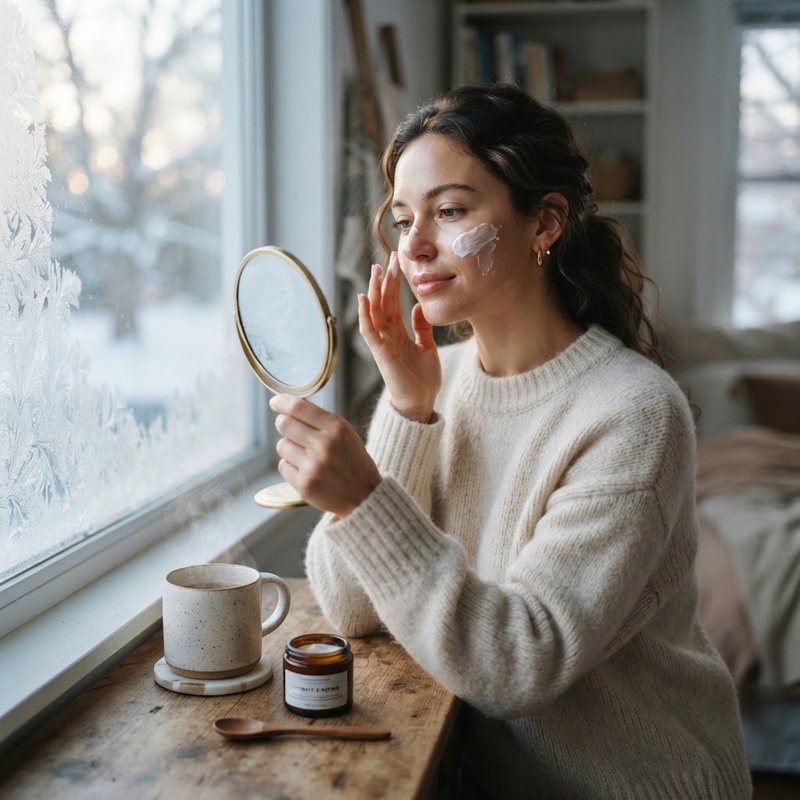
As seasonal temperatures drop and autumn yields to winter, many individuals notice dramatic shifts in how their skin looks and feels. The combination of cold outdoor winds, low ambient humidity, and indoor heating creates an aggressive environment for the delicate surface of human skin. Areas that were smooth during warmer months may suddenly feel tight, flaky, itchy, or sensitive. Understanding how environmental conditions alter skin physiology is essential to maintaining a radiant, resilient, and comfortable complexion throughout winter.
As seasonal temperatures drop and autumn yields to winter, many individuals notice dramatic shifts in how their skin looks and feels. The combination of cold outdoor winds, low ambient humidity, and indoor heating creates an aggressive environment for the delicate surface of human skin. Areas that were smooth during warmer months may suddenly feel tight, flaky, itchy, or sensitive. Understanding how environmental conditions alter skin physiology is essential to maintaining a radiant, resilient, and comfortable complexion throughout winter.
Skin care is not static; skin thrives when routine adjustments mirror shifting climatic demands. While lightweight gels suit humid summer months, winter weather demands an intentional shift toward moisture retention, lipid replenishment, and barrier preservation. Clinical research emphasizes that adapting topical routines to cold, dry air supports optimal epidermal barrier function and reduces skin irritation. In this clinical guide, the EOS Health Clinical Team explores the science behind winter skin distress, outlines essential seasonal product swaps, and provides actionable guidance for protecting your skin all winter long.
1. The Winter Environment: How Cold Air and Indoor Heat Impact Your Skin
To protect the skin during winter, it is helpful to examine the interactions between the atmosphere and the outermost layer of skin, known as the stratum corneum. The stratum corneum is often described using a "brick and mortar" structural model. The "bricks" are corneocytes (flattened skin cells packed with keratin), while the "mortar" consists of an extracellular lipid matrix rich in ceramides, fatty acids, and cholesterol. This matrix keeps environmental irritants out and prevents internal hydration from escaping.
Understanding Transepidermal Water Loss (TEWL)
When atmospheric humidity drops during cold weather, a steep gradient is established between the water content inside the epidermis and the moisture in surrounding air. Water moves naturally from areas of high concentration to low concentration. This process is clinically measured as Transepidermal Water Loss, or TEWL. Under cold, dry conditions, TEWL accelerates substantially. As water evaporates from the skin surface, corneocytes shrink and dehydrate, leading to the flaking, fine lines, and roughness characteristic of winter skin.
The Double Whammy: Cold Winds Outside and Forced Air Inside
Outdoor winter winds exacerbate TEWL by stripping away the acid mantle—a thin microscopic layer of sebum and sweat that helps preserve surface hydration and acidic pH balance. Indoors, central heating systems further compromise skin health. Radiators and forced-air heaters warm indoor air without adding moisture, often dropping indoor relative humidity levels below twenty percent. Running heating units continuously creates a dry microclimate that extracts moisture from exposed skin day and night.
How Humidity Drop Weakens the Skin Barrier
Beyond simple dehydration, low atmospheric humidity directly affects enzymatic processes within the skin. Enzymes responsible for natural desquamation—the shedding of dead skin cells—require adequate water levels to function. When skin becomes dry, these enzymes malfunction, causing dead cells to accumulate unevenly in patches. Concurrently, cold temperatures cause surface blood vessels to constrict, reducing localized cutaneous circulation. The combined effect is a weakened lipid matrix, diminished elasticity, and increased sensitivity.
2. The Chemistry of Hydration: Humectants, Emollients, and Occlusives
When assembling an effective winter skincare routine, formulation chemistry matters. Skincare products rely on three distinct categories of moisturizing ingredients: humectants, emollients, and occlusives. Each plays a unique role in repairing and maintaining epidermal hydration, and optimal winter skincare relies on a balance of all three.
Humectants: Drawing Water Into the Epidermis
Humectants are water-attracting molecules that bind water and draw moisture into the stratum corneum. Common humectants include hyaluronic acid, glycerin, sodium PCA, urea, and panthenol (vitamin B5). Hyaluronic acid can bind significant water weight. However, humectants require careful application in low-humidity environments. If applied to dry skin in a dry room, humectants may pull water upward from deeper dermal layers rather than ambient air. For optimal results, humectant serums should be applied to damp skin and sealed immediately with a cream layer.
Emollients: Filling the Gaps in Skin Cells
Emollients are lipid-based compounds designed to fill microscopic spaces between desquamating corneocytes, smoothing the surface of the skin. Ingredients such as ceramides, squalane, jojoba oil, and shea butter act as effective emollients. Ceramides are particularly vital because they account for roughly fifty percent of the lipid composition in healthy stratum corneum. Replenishing ceramides topically supports lipid matrix integrity, improves skin softness, and reduces micro-inflammation associated with barrier compromise.
Occlusives: Locking In Vital Moisture
Occlusives form a physical hydrophobic barrier over the skin to block water from evaporating. Essential occlusive agents include petrolatum, dimethicone, lanolin, and beeswax. Petrolatum remains the standard for occlusive efficacy, capable of significantly reducing TEWL. During harsh winter conditions, incorporating occlusive ingredients into your nighttime routine creates a protective seal that shields skin from overnight moisture loss caused by dry indoor air.
3. Key Seasonal Swaps: Upgrading Your Core Skincare Products
Adapting your daily skincare routine for winter does not require replacing every product, but making strategic substitutions in key product categories yields significant improvements in skin comfort and barrier strength.
Transitioning to Creamy, Non-Foaming Cleansers
The first product to evaluate in your winter transition is your facial cleanser. Foaming cleansers containing strong surfactants strip away excess oils during hot, humid summer months. In winter, however, these cleansers strip away essential natural lipids needed to maintain barrier defense. Swapping to a gentle, hydrating lotion cleanser or cream cleanser cleanses skin without disrupting the acid mantle. Look for fragrance-free formulations enriched with glycerin or ceramides that leave skin calm and clean.
Trading Light Lotions for Lipid-Rich Moisturizers
Lightweight gel lotions that feel refreshing in summer rarely provide adequate lipid protection in winter. Cold weather calls for richer cream formulations containing ceramides, fatty acids, and squalane. Cream formulations have a higher oil-to-water ratio than lotions, enabling them to construct a durable protective layer over the skin. Applying a lipid-replenishing cream morning and night provides sustained moisture release and reinforces skin resilience.
Incorporating Room Humidifiers and Overnight Treatments
Skincare extends beyond topical formulations to environmental modifications. Placing a cool-mist humidifier in your bedroom or workspace restores relative indoor humidity to healthy target levels (ideally forty to fifty percent). Increasing ambient moisture reduces the vapor pressure gradient that drives TEWL while you sleep. Additionally, applying an overnight occlusive ointment can provide extra protection for areas prone to severe dryness, such as cheeks and lips.
4. Managing Active Ingredients: Buffering Retinoids and Exfoliants
Topical active ingredients—such as retinoids, retinol, alpha-hydroxy acids (AHAs), and beta-hydroxy acids (BHAs)—are valued for supporting cellular turnover and skin clarity. However, because cold weather compromises the moisture barrier, continuing aggressive active treatments without modification during winter can trigger redness and peeling.
Why Active Ingredients Feel More Irritating in Winter
A compromised stratum corneum has diminished barrier resistance, allowing topical actives to penetrate more rapidly than intended. When paired with baseline winter dryness, retinoids and hydroxy acids can induce heightened sensitivity. Rather than stopping these beneficial ingredients entirely, adjusting how and when they are applied allows you to maintain cellular benefits while keeping skin comfortable.
The Sandwich Method: Buffering Your Retinoids
One clinically backed technique for minimizing retinoid irritation during winter is buffering, frequently implemented via the "sandwich method." This technique involves applying a layer of gentle moisturizing cream to clean skin, allowing it to absorb, applying a small amount of retinoid, and finishing with a second layer of cream. Buffering slows the absorption rate of the active ingredient, mitigating surface irritation without sacrificing long-term benefits. Reducing application frequency to two or three times per week during winter allows the lipid barrier time to recover.
Adjusting Acid Exfoliants for Winter Sensitivities
Exfoliating acids like glycolic acid and salicylic acid require similar mindfulness in winter. While gentle exfoliation removes dry surface cell accumulation, over-exfoliating strips lipids and accelerates TEWL. Consider reducing chemical exfoliation to once per week, or switching from glycolic acid to gentler lactic acid. Lactic acid is suited for winter care because it acts as both an exfoliating alpha-hydroxy acid and a humectant that enhances skin hydration.
5. Building Your Winter Skincare Routine Step by Step
Establishing a clear daily routine helps maintain balance and protection throughout the season. Here is an evidence-based daily workflow designed specifically for cold, dry environmental conditions.
Morning Routine: Protection and Barrier Support
The primary goal of your morning routine is defending skin against cold air, wind, and environmental oxidation:
- Step 1: Gentle Cleansing: Splash face with lukewarm water or use a non-foaming hydrating cleanser. Avoid hot water, which dissolves essential skin lipids.
- Step 2: Hydrating Serum: Apply a humectant serum containing hyaluronic acid, glycerin, or panthenol directly onto damp skin.
- Step 3: Lipid-Rich Moisturizer: Massage a nourishing cream containing ceramides, fatty acids, and squalane over face and neck to seal in hydration.
- Step 4: Broad-Spectrum Sunscreen: Apply a broad-spectrum SPF 30+ sunscreen as the final step. Ultraviolet radiation remains active even on cloudy or freezing days.
Evening Routine: Deep Repair and Replenishment
Your evening routine focuses on gentle cleansing and overnight barrier repair:
- Step 1: Cream Cleanser: Gently remove makeup, sunscreen, and daily pollutants with a hydrating cleansing balm or cream cleanser.
- Step 2: Soothing Essence or Serum: Apply a calming formulation rich in niacinamide or colloidal oatmeal to soothe winter redness.
- Step 3: Buffered Active (On Designated Nights): If using a retinoid or mild exfoliant, apply using the buffering sandwich method described above.
- Step 4: Heavy Barrier Cream: Finish with a thick cream or occlusive ointment to minimize overnight TEWL and facilitate lipid repair while resting.
Why Sun Protection Remains Crucial Year-Round
A common winter skincare misconception is that sunscreen is unnecessary when temperatures drop or clouds gather. While Ultraviolet B (UVB) rays—responsible for sunburn—are less intense in winter, Ultraviolet A (UVA) rays remain consistent in strength year-round. UVA rays penetrate deep into the dermis, contributing to skin aging and cellular damage. Furthermore, snow reflects up to eighty percent of UV radiation, increasing exposure during outdoor winter activities. Daily broad-spectrum sun protection remains an essential component of healthy skin maintenance in every season.
6. Partnering with Clinical Care for Healthy Skin
Navigating seasonal skin changes can sometimes reveal underlying dermatological conditions, such as eczema, rosacea, or severe xerosis, which require individualized medical evaluation. While thoughtful topical adjustments provide substantial support for dry skin, persistent redness, cracking, itching, or painful irritation warrant professional assessment by a qualified healthcare provider.
At EOS Health, our clinical team believes that caring for your skin is an integral component of overall health and wellness. Every individual's skin profile is unique, influenced by genetics, medical history, age, and environmental factors. Exploring personalized care options with licensed healthcare professionals ensures that your skincare strategy is safe, targeted, and aligned with your broader health goals. To learn more about customized skincare guidance and comprehensive wellness consultations, visit EOS Health Skincare Resources to connect with our care team today.
Transepidermal Water Loss (TEWL)
The natural process by which water passively evaporates from the internal layers of the skin through the stratum corneum into the surrounding atmosphere.
Stratum Corneum
The outermost layer of the epidermis, composed of flattened dead skin cells (corneocytes) surrounded by a dense matrix of lipid fats that acts as the primary skin barrier.
Ceramides
Essential lipid molecules found naturally in high concentrations within the skin barrier that help lock in moisture and protect against environmental irritants.
Humectant
A category of hydrating ingredients—such as hyaluronic acid or glycerin—that attract and bind water molecules to keep skin layers hydrated.
Buffering
The practice of applying a layer of moisturizing lotion before or with strong active ingredients (like retinoids) to reduce skin irritation without compromising efficacy.
Sources
faq
Common questions, answered.
Why does my skin feel tight and itchy during winter?
Winter skin tightness and itchiness are primarily caused by increased Transepidermal Water Loss (TEWL). Cold outdoor air and dry indoor heating lower ambient humidity, pulling water from the outer layer of your skin (stratum corneum). This dehydration causes skin cells to shrink and crack, leading to discomfort and itching.
How often should I wash my face during cold winter months?
Most clinicians recommend cleansing your face twice daily—once in the morning and once at night. However, during winter, you may benefit from rinsing with lukewarm water in the morning and reserving your hydrating cream cleanser for the evening to avoid stripping natural protective oils.
Is hot water bad for dry skin in the winter?
Yes, washing your face or taking long showers with hot water strips away essential lipids and intercellular fats from your skin barrier. This accelerates moisture evaporation and aggravates dryness. Using lukewarm water helps preserve skin barrier integrity.
What is the difference between dry skin and dehydrated skin?
Dry skin is a skin type characterized by a lack of natural oils (lipids), whereas dehydrated skin is a condition caused by a lack of water content in the stratum corneum. Skin can be oily yet dehydrated simultaneously, especially during dry winter months.
Should I stop using retinol or retinoids during winter?
You generally do not need to stop using retinoids entirely, but you may need to adjust application frequency or use buffering techniques. Applying moisturizer before retinoid application (the sandwich method) and reducing frequency to two or three nights per week can maintain benefits while minimizing winter irritation.
How does an indoor humidifier benefit my skin?
Indoor heating systems drop indoor humidity, which increases moisture loss from skin. A room humidifier restores ambient moisture levels to an ideal forty to fifty percent range, reducing the gradient that draws water out of your skin overnight.
Do I really need to wear sunscreen on cold or overcast winter days?
Yes. While sunburn-causing UVB rays decrease in winter, aging UVA rays remain equally strong throughout the year. UVA rays penetrate cloud cover and windows, contributing to collagen degradation and premature aging. Snow also reflects up to eighty percent of UV radiation.
What ingredients should I look for in a winter moisturizer?
Look for a combination of humectants (like glycerin and hyaluronic acid), emollients (like ceramides, squalane, and fatty acids), and occlusives (like petrolatum, dimethicone, or shea butter) to attract, replenish, and lock in moisture.
Great skin starts with the right protocol.™
Start free consultationwhat are you waiting for?
You're one click away from a new you.
Fill out our brief form and a licensed physician will evaluate which treatment plan is best for you.