Zone 2 Training: The Cardio Approach Longevity Researchers Study
Explore how Zone 2 training supports cellular health, mitochondrial function, and long-term vitality according to exercise science and longevity research.
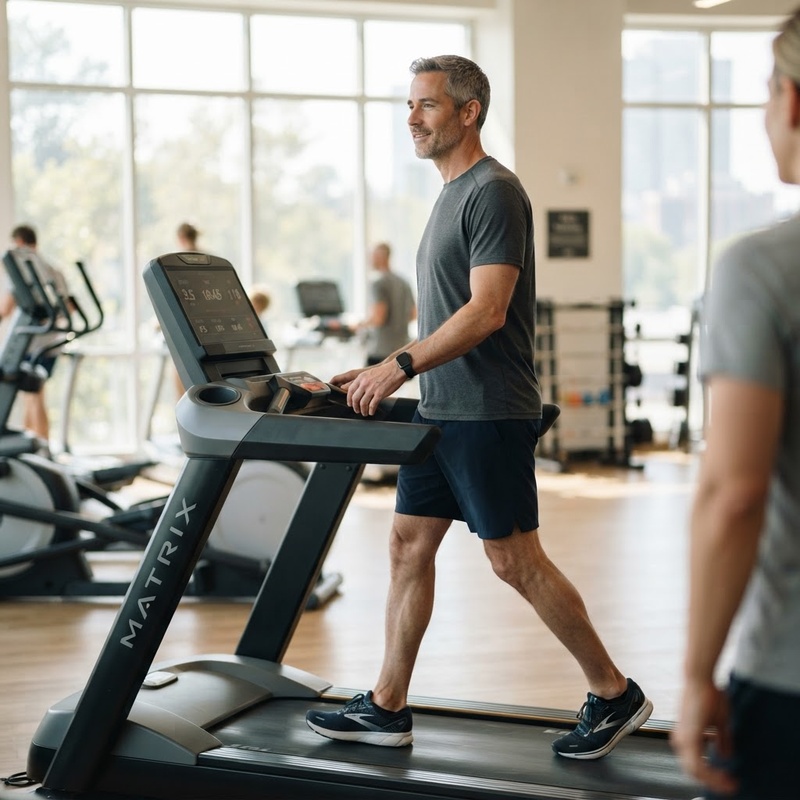
In exercise science, cardiovascular training has shifted away from focusing solely on high-intensity intervals. While high-intensity workouts offer distinct fitness benefits, exercise physiologists and longevity researchers focus substantial attention on low-intensity steady-state exercise—specifically Zone 2 training. Zone 2 represents an aerobic threshold where the body efficiently utilizes oxygen to metabolize fats for cellular energy without generating heavy neuromuscular fatigue or excessive lactate buildup.
In exercise science, cardiovascular training has shifted away from focusing solely on high-intensity intervals. While high-intensity workouts offer distinct fitness benefits, exercise physiologists and longevity researchers focus substantial attention on low-intensity steady-state exercise—specifically Zone 2 training. Zone 2 represents an aerobic threshold where the body efficiently utilizes oxygen to metabolize fats for cellular energy without generating heavy neuromuscular fatigue or excessive lactate buildup.
Zone 2 training builds a resilient aerobic base. Scientists study this intensity due to its impact on mitochondrial density, metabolic flexibility, energy production, and cardiovascular efficiency. For adults seeking to support long-term vitality and healthy physiological function across the lifespan, understanding Zone 2 mechanics—and incorporating it consistently into a weekly routine—provides a practical framework grounded in exercise science.
Understanding Zone 2 Training: Physiology, Intensity, and Identification
Exercise scientists divide cardiovascular effort into five heart rate zones, from Zone 1 (light recovery) to Zone 5 (maximum output). Zone 2 sits at the lower-to-moderate end of this spectrum.
In Zone 2, the body relies almost entirely on aerobic energy pathways. At this intensity, Type I (slow-twitch) muscle fibers are maximally recruited. Rich in mitochondria and myoglobin, these fibers produce adenosine triphosphate (ATP) primarily through fat oxidation, avoiding anaerobic glycolysis and excessive lactate buildup.
Recognizing when an individual is exercising within Zone 2 can be accomplished through several accessible methods:
- The Talk Test: A reliable way to assess Zone 2 effort without laboratory equipment. During Zone 2, an individual can speak in full sentences without gasping for breath, though breathing is visibly elevated. If conversation becomes clipped, effort has drifted into Zone 3.
- Heart Rate Ranges: Zone 2 typically corresponds to 60% to 70% of maximum heart rate, or 70% to 80% of lactate threshold heart rate. Monitoring heart rate with a wearable device helps maintain a steady pace.
- Rate of Perceived Exertion: On a 10-point scale, Zone 2 feels like a 3 or 4 out of 10. It feels gentle enough to sustain for an hour or more, yet active enough to feel like intentional exercise.
- Lactate Threshold Markers: In sports science settings, Zone 2 is defined as the intensity where blood lactate concentrations remain low—typically between 1.5 and 2.0 millimoles per liter.
Cellular and Metabolic Insights: Why Longevity Researchers Focus on Zone 2
Longevity researchers study Zone 2 training for its targeted effects on cellular structure and metabolic function. Exercise science shows that low-intensity steady training supports cellular health, mitochondrial efficiency, and metabolic resilience.
Mitochondrial Density and Biogenesis
Mitochondria convert nutrients into usable cellular energy. Over time, mitochondrial function can decline with physical inactivity and aging. Zone 2 exercise stimulates mitochondrial biogenesis—the creation of new mitochondria—and improves organelle efficiency by engaging Type I muscle fibers continuously.
Enhancing Metabolic Flexibility
Metabolic flexibility is the ability to switch between burning carbohydrates and fats based on energy demands. Zone 2 training maximizes fat oxidation, strengthening enzymatic pathways for fatty acid transport and supporting healthy insulin sensitivity.
Supporting Healthy Aging and Cellular Maintenance
Rather than framing interventions around stopping biological aging, exercise researchers focus on how lifestyle habits support healthy aging across decades. Zone 2 training stimulates natural cellular cleanup processes, such as autophagy, where degraded cellular components and damaged organelles are systematically recycled. Furthermore, by improving microvascular blood flow, steady aerobic exercise promotes effective delivery of oxygen and nutrients to tissues throughout the body.
Lactate Clearance and Metabolic Buffering
Lactate is not merely a waste product; it is a vital metabolic fuel utilized by cardiac tissue, brain tissue, and resting muscle fibers. Zone 2 training conditions slow-twitch muscle fibers to efficiently absorb and oxidize lactate generated elsewhere in the body. Developing a high lactate clearance capacity helps maintain metabolic balance and reflects an adapted energetic system.
Cardiovascular Efficiency and Long-Term Vitality
Beyond cellular mechanisms, Zone 2 training provides profound adaptations for the cardiovascular system. Long-term cardiovascular health forms an essential foundation for daily energy, physical stamina, and overall healthspan.
Stroke Volume and Cardiac Remodeling
During Zone 2 exercise, a controlled heart rate allows the left ventricle to fill completely before contraction. This diastolic filling promotes eccentric cardiac remodeling over time, expanding chamber volume and increasing stroke volume—the amount of blood pumped per beat.
Capillary Density and Microvascular Health
Consistent Zone 2 training encourages angiogenesis, the creation of new microvascular capillary networks surrounding skeletal muscle fibers. Increased capillary density shortens the diffusion distance required for oxygen, glucose, and key nutrients to reach active muscle cells, while facilitating the swift removal of metabolic waste products.
Autonomic Nervous System Balance
High-intensity workouts place acute stress on the physiological system, triggering a surge in sympathetic nervous system activity and stress hormones. Zone 2 exercise provides an effective stimulus while placing lower stress on the autonomic nervous system. Regular low-intensity training is associated with enhanced parasympathetic recovery tone, improved heart rate variability, and sustained autonomic balance.
Structuring Zone 2 Work Into a Busy Weekly Routine
Translating Zone 2 training into a practical lifestyle requires structure, consistency, and realistic scheduling. Many individuals worry that effective aerobic conditioning requires hours of exhaustive daily workout time, but structured programming can readily fit into varied schedules.
Duration and Frequency Guidelines
Leading physical activity guidelines frequently recommend accumulating 150 to 300 minutes of moderate-intensity aerobic activity per week to support broad cardiovascular and metabolic health. For dedicated Zone 2 training, exercise science indicates that individual sessions should ideally last at least 30 to 45 minutes. Because mitochondrial signaling requires sustained aerobic stimulus, longer continuous sessions allow the body to fully engage targeted metabolic pathways.
A balanced weekly schedule might be organized in several accessible ways:
- Schedule Option A: Three 50-to-60-minute steady sessions per week scheduled on non-consecutive days (e.g., Monday, Wednesday, Friday).
- Schedule Option B: Four 30-to-45-minute sessions distributed throughout the week (e.g., Tuesday, Thursday, Saturday, Sunday).
- Schedule Option C: Combining two 60-minute weekend sessions with shorter 30-minute weekday sessions.
Choosing Accessible Exercise Modalities
Zone 2 training is versatile and can be adapted across a wide variety of exercise forms. Any continuous physical activity that allows for smooth control over heart rate and effort can be utilized effectively:
- Brisk Walking or Incline Walking: Walking outdoors on flat terrain or indoors on a treadmill set to a light incline elevates heart rate into Zone 2 while placing low stress on joints.
- Stationary Cycling or Ruck Walking: Stationary bicycles allow precise resistance adjustments to maintain a target heart rate. Ruck walking adds mild resistance while maintaining an aerobic pace.
- Elliptical or Rowing Machines: Low-impact modalities engaging upper and lower body musculature at a steady pace.
- Easy Jogging or Swimming: Suitable for individuals with higher baseline conditioning who can maintain a relaxed pace and low heart rate.
Integrating Zone 2 with Strength Training
Zone 2 training works best when combined with regular resistance training rather than replacing it. Resistance training preserves lean muscle mass, supports bone mineral density, and maintains joint stability, while Zone 2 builds underlying aerobic capacity. Because low-intensity aerobic work produces minimal muscle damage and central nervous system strain, it can easily be scheduled on the same day as strength training or on dedicated active recovery days.
Monitoring Progress, Common Pitfalls, and Clinical Guidance
While Zone 2 training is conceptually simple, executing it correctly over time requires attention to pacing, subjective body signals, and individual clinical context.
Avoiding the Common Zone 3 Trap
The single most frequent mistake individuals encounter with Zone 2 training is moving too fast. Many exercise enthusiasts inadvertently slide into Zone 3—an intermediate intensity that feels moderately challenging, where the body relies increasingly on carbohydrate breakdown and generates higher blood lactate levels. While Zone 3 exercise serves specific athletic training goals, it does not maximize the unique mitochondrial adaptations of Zone 2.
To keep physical intensity appropriately aligned with Zone 2 targets:
- Respect the Talk Test: If speech becomes strained or requires frequent pauses for breath, slow down movement pace immediately.
- Maintain Patience with Pace: Movement pace in Zone 2 may initially feel slow. Over weeks of consistent training, physical speed and output naturally increase at the same low heart rate.
- Factor in Environmental Stressors: Warm weather, dehydration, stress, poor sleep, and caffeine can elevate heart rate. On warm or stressful days, adjust pace downward to remain within the target zone.
Tracking Tools and Baseline Metrics
While formal laboratory assessments such as VO2 max and blood lactate testing offer maximum precision, consumer monitoring tools provide convenient practical guidance. Chest strap heart rate monitors generally offer consistent accuracy during sustained movement. Tracking long-term resting heart rate trends and heart rate variability over time provides valuable qualitative insight into baseline recovery capacity.
The Importance of Individualized Clinical Consultation
Prior to starting a new exercise program or significantly increasing physical activity volume, consulting a licensed healthcare provider is a foundational safety step. Individual physical baselines, underlying cardiovascular or metabolic conditions, and specific prescription medications can significantly influence heart rate responses and exercise safety. For instance, certain heart rate-modulating medications alter baseline and maximum heart rate thresholds, rendering standard age-based heart rate formulas inaccurate. An individualized evaluation ensures exercise recommendations are safely calibrated to individual medical profiles.
Furthermore, for adults exploring comprehensive healthy aging strategies—including metabolic assessments, preventive clinical laboratory evaluations, or medical options when clinically indicated—working alongside a dedicated clinical team ensures an integrative, evidence-based approach. Prescription medications and specialized clinical treatments are provided strictly following personalized medical evaluation and clinical diagnosis, supporting tailored and safe care pathways.
Long-Term Perspectives: Building a Sustainable Foundation for Healthspan
Modern longevity science places emphasis on the crucial difference between lifespan—the total length of an individual's life—and healthspan, which represents the span of years lived in good functional health, physical independence, and vitality. Structured physical activity is widely recognized as one of the most effective lifestyle factors for preserving healthspan, and Zone 2 training provides its underlying physiological foundation.
Developing a strong aerobic base through low-intensity steady-state exercise builds the cellular and metabolic infrastructure necessary for daily energy, stamina, and long-term vitality. It is not a temporary trend, but rather a sustainable, lifelong practice rooted in human physiology. By combining regular Zone 2 exercise with resistance training, balanced nutrition, restorative sleep, and routine clinical care, individuals establish a comprehensive strategy for supporting healthy aging.
Optimizing Your Longevity Journey with EOS Health
Navigating preventative wellness, metabolic health, and long-term healthspan strategy is best achieved with trusted clinical guidance. At EOS Health, our clinical team focuses on accessible, evidence-based telehealth care designed to support your personal health goals. Whether you are interested in personalized metabolic consultations, cardiovascular wellness guidance, or comprehensive preventative care options, our licensed clinicians provide individual evaluations tailored to your health profile.
To learn more about evidence-based preventative care and explore telehealth resources designed for your health journey, visit EOS Health Longevity Care today.
Mitochondrial Biogenesis
The physiological process by which cells increase their individual mitochondrial mass and number, enhancing cellular energy production and oxidative capacity.
Metabolic Flexibility
The physiological capacity of cells to adapt fuel utilization seamlessly between carbohydrates and fatty acids based on energy demand and nutrient availability.
Slow-Twitch Muscle Fibers (Type I)
Muscle fibers characterized by high capillary density, abundant mitochondria, and high resistance to fatigue, primarily relied upon during sustained aerobic activity.
Lactate Threshold
The exercise intensity at which blood lactate begins to accumulate above resting levels, marking the transition from predominantly aerobic metabolism to increasing anaerobic reliance.
Eccentric Cardiac Remodeling
Structural adaptation of the heart muscle in response to sustained aerobic training, resulting in increased left ventricular chamber volume and enhanced stroke volume.
Sources
faq
Common questions, answered.
What is Zone 2 training?
Zone 2 training is low-intensity, steady-state aerobic exercise performed at an intensity where the body primarily uses fat oxidation for fuel without accumulating excessive blood lactate.
How do I know if I am in Zone 2 without a heart rate monitor?
The most accessible method is the talk test: you should be able to carry on a conversation in full sentences without gasping for breath, though breathing is noticeably elevated compared to resting.
What percentage of maximum heart rate is Zone 2?
Zone 2 generally corresponds to approximately 60% to 70% of an individual's maximum heart rate, or roughly 70% to 80% of lactate threshold heart rate, though individual baselines vary.
How many hours of Zone 2 training should I do each week?
Exercise guidelines and longevity studies commonly recommend accumulating 150 to 300 minutes of moderate-intensity aerobic exercise per week, typically split into 3 to 4 sessions of 30 to 60 minutes.
Can walking count as Zone 2 exercise?
Yes, brisk walking or incline walking on a treadmill can effectively raise heart rate into Zone 2, especially for beginners or those seeking low-impact cardiovascular training.
Why do researchers focus on Zone 2 for mitochondrial health?
Zone 2 selectively recruits Type I slow-twitch muscle fibers, which are rich in mitochondria. Exercising at this intensity stimulates mitochondrial biogenesis and enhances enzymatic capacity for fat oxidation.
Is Zone 2 training sufficient on its own, or should I combine it with strength training?
Zone 2 training is most effective when paired with regular resistance training. While Zone 2 builds aerobic capacity and metabolic resilience, strength training maintains lean muscle mass and bone mineral density.
Should I consult a physician before starting a Zone 2 training routine?
Yes. Consulting a licensed clinician ensures that exercise targets are safely adapted to your medical history, cardiovascular baseline, and any current medications.
Invest in the years ahead.™
Start free consultationwhat are you waiting for?
You're one click away from a new you.
Fill out our brief form and a licensed physician will evaluate which treatment plan is best for you.