EOS Women's Health

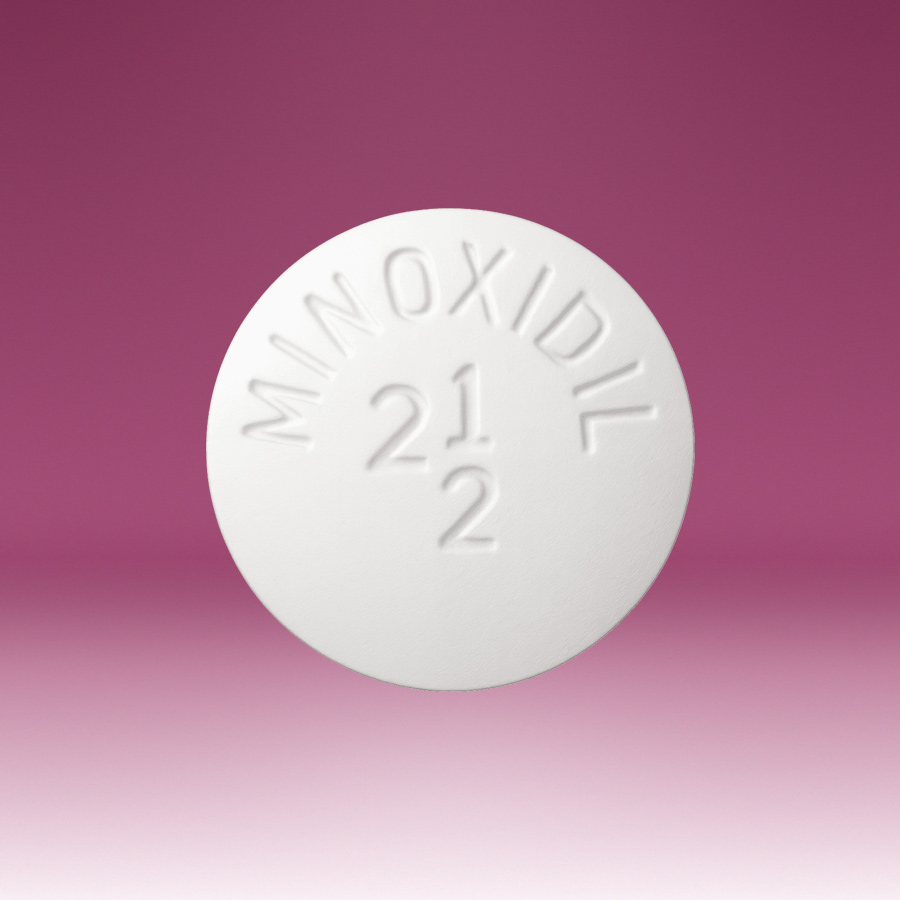
Oral Minoxidil

Rx
Fuller, thicker hair — in a once-daily pill.
From
29.67
/ month

Searching for a hassle-free hair loss solution? This once-daily pill stimulates hair regrowth by boosting blood flow to hair follicles without altering your hormone balance. When prescribed in low doses as an oral medication, minoxidil also provides additional physiological benefits (see below).

Key Features

Stimulates Regrowth: Induces dormant hair follicles to rapidly enter the active growth phase (anagen phase).

Thickens Existing Hair: Prolongs the growth phase, allowing miniaturized hairs to grow longer, wider, and thicker.

Versatility in Use: Effective for both men (treating crown balding) and women (treating overall hair thinning). It is also used off-label to enhance beard and eyebrow growth.

Vascular Health: Acts as a vasodilator to relax blood vessels, reducing arterial stiffness and improving overall blood flow.

Blood Pressure Management: Originally developed as an oral hypertension treatment, it remains a potent option for lowering high blood pressure.

Improved Cerebral Blood Flow: Studies suggest that oral formulations can improve blood vessel elasticity and increase blood supply to the brain.

HIPAA-compliant careU.S.-licensed cliniciansTransparent pricingFree expedited shippingEasy questionnaire100% OnlineNo insurance required

Restoration, designed for women.

Hormonal changes don't have to mean feeling like a different person. Evidence-based HRT and women's longevity protocols can restore balance — and help you feel like yourself at every phase.

Backed by Science (Womens Hair)

Minoxidil is one of the most studied hair-loss treatments and the only FDA-approved topical for female pattern hair loss.

Dermatologist-Designed

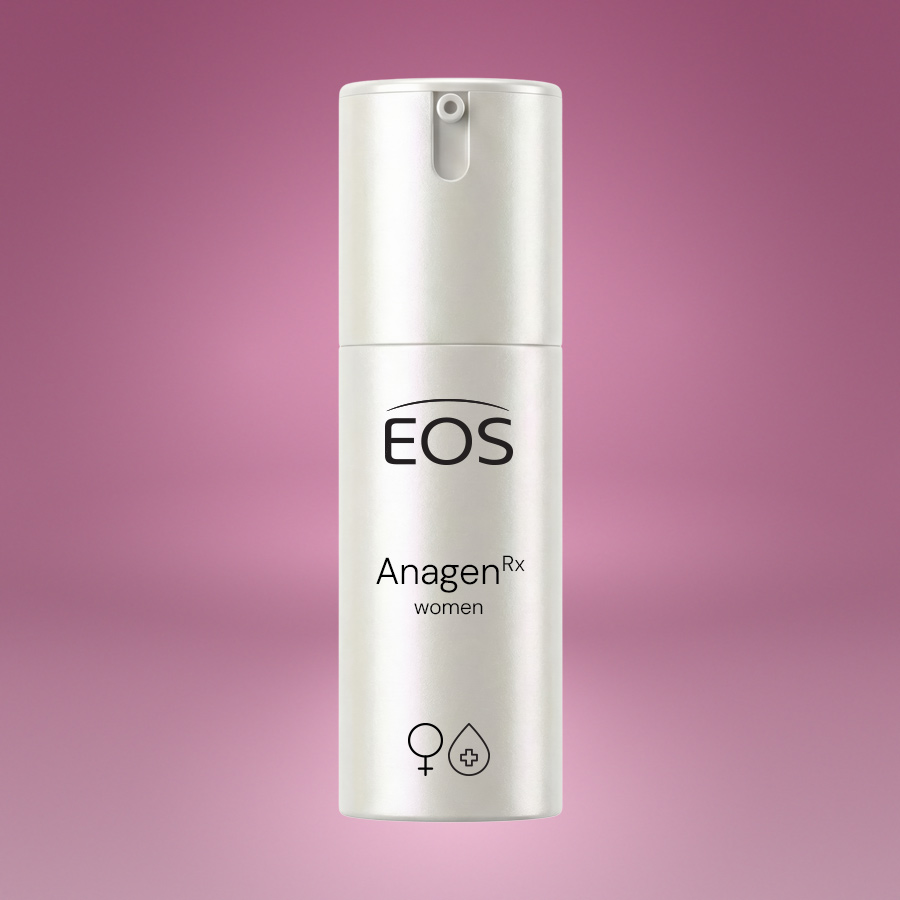
A compounded formulation tuned for women's hair-loss patterns, not a one-size-fits-all spray.

Quick-Drying, Once Daily

Sprays on, dries fast, fits into your existing routine.

Targets the Cause

Topical minoxidil increases blood flow to follicles, supporting regrowth where you need it.

Common questions, answered.

Is oral minoxidil safe for women?

Low-dose oral minoxidil has a well-documented safety profile in women when prescribed and monitored by a clinician. The most common side effect is increased hair growth on the face or body, and some women experience mild fluid retention. Your clinician will start you at a low dose and monitor your response.

Will oral minoxidil cause unwanted facial or body hair?

Some increase in fine hair on the face or body (hypertrichosis) is the most common side effect in women, and it's dose-related. It's usually manageable and reverses if the medication is stopped. Your clinician can adjust your dose to balance scalp regrowth against this effect.

How long until I see results?

Most women see reduced shedding within 2–3 months and visible improvement in density between 3 and 6 months. Results build gradually with consistent daily use, so give it at least 6 months before judging the outcome.

Can I take oral minoxidil while pregnant or breastfeeding?

No. Oral minoxidil should not be used during pregnancy, and you should tell your clinician if you are breastfeeding or planning to become pregnant. Let your care team know right away if you become pregnant while taking it.

What happens if I stop taking oral minoxidil?

The hair you regrow is maintained only while you continue treatment. If you stop, regrown hair gradually returns to its prior state over several months. Female hair loss is typically ongoing, so treatment is designed for the long term.

Who is oral minoxidil for?

Many patients find it easier to take a medication by mouth once a day vs. applying a topical treatment. A simpler routine can help to improve treatment adherence and consistency (in other words, it's easier to make and keep a daily treatment habit), which supports better results.

While a patient's preference is always taken into consideration, treatment recommendations will be primarily informed by the individual's medical history along with the contraindications and potential side effects of oral minoxidil.

What are the most common causes of hair loss in women?

While there are any number of underlying causes for hair loss that affect women, the vast majority of cases can be attributed to one of two conditions. Sometimes these two conditions overlap with both of them contributing to an individual's noticeable hair loss.

The most common cause is called female pattern hair loss (FPHL). It is a chronic, progressive hair loss that can start at any age and presents as progressive thinning of the hair, particularly at the top and front of the scalp. The cause is not entirely clear but is believed to be multifactorial, including possibly genetic predisposition and hormonal factors. The earlier medication is begun the better likelihood of slowing progression and seeing regrowth.

The other common hair loss condition is called telogen effluvium (TE). The condition is characterized by an increase in the amount of shedding that one normally experiences. The condition represents the early release of hairs that are in the resting phase of the hair growth cycle. It's typically brought on by some sort of trigger event.

What are the most common side effects of oral minoxidil?

Common side effects can include low blood pressure (hypotension) and swelling in the legs (edema), among others. Some people experience headaches, although those typically improve over time. Others may experience additional hair growth on the face or body (hypertrichosis). This is the most common side effect of taking oral minoxidil, though the complaint is more common among women than men and is also more common when taking over 5 mg per day.

Side effects of oral minoxidil may be more pronounced when the drug is prescribed at higher doses.

What should I expect when taking Oral Minoxidil?

* Early results may be seen within a few months, but it could take longer to see the full effects
* You may experience shedding during the first few weeks of medication. This is normal and shouldn't cause you to worry. Extra shedding will resolve as the new hair grows in (usually in about a month)
* If you do not see improvement after 6 months of consistent use, you can message your provider to discuss adjusting your medication plan

When can I expect to see results?

Oral minoxidil was originally studied for blood pressure, and the hair growth effects were unintentional. In clinical trials, patients who experienced hypertrichosis ("elongation, thickening, and enhanced pigmentation of body hair") noticed it on the forehead and temples, between the eyebrows, or on the upper part of the cheeks within three to six weeks after beginning treatment. Hair growth on the scalp was observed at a later date.

Similar to topical minoxidil, oral minoxidil takes a few months to produce noticeable results to your crown and hairline. If you stop taking oral minoxidil, new hair growth will stop as well.

Oral minoxidil might not work for everyone or may only partially resolve the concern.

What's the difference between topical minoxidil and oral minoxidil?

Topical minoxidil is an FDA-approved hair loss medication that does not require a prescription whereas oral minoxidil is considered an off-label prescription for hair loss and does require a prescription. "Off-label" means it's not FDA-approved for that particular use, but can still be prescribed at the provider's discretion.

Topical and oral minoxidil contain the same active ingredient. While there have not been clinical studies comparing their efficacy, there appear to be some benefits of using an oral treatment method vs. a topical medication method, such as more precise dosing and better medication adherence & consistency.

Using both topical minoxidil and oral minoxidil at the same time will not produce better results and therefore, is not recommended.

What's the difference between oral finasteride and oral minoxidil?

Oral finasteride is an FDA-approved prescription hair loss medication, while oral minoxidil is considered an off-label prescription for hair loss. This means oral minoxidil is not FDA-approved for that particular use, but a provider can still prescribe it if they deem it safe and appropriate for the patient.

Oral minoxidil may be preferred by men who do not want to risk the known slight chance of sexual side effects from taking finasteride. Oral minoxidil and oral finasteride have different mechanisms of action to tackle hair loss. Your provider will recommend a medication based on your medical history, lifestyle, and any particular medication preferences or side effect aversions you may have.

What are you waiting for?

Take the first step.

A brief quesitionnaire. A licensed clinician. Treatment shipped to your door if you qualify.

HIPAA-compliant careU.S.-licensed cliniciansTransparent pricingFree expedited shippingEasy questionnaire100% OnlineNo insurance required