Use code NEWPATIENT20 for $20 off your first order.

EOS Skin

Oral Spironolactone

Hormonal acne, treated from the inside out.
From
32.00
/ month
Use code NEWPATIENT20 for $20 off your first order.
Formulation
Lock in bigger savings
Claim Offer
Your offer applies automatically at checkout — no code to enter.

Spironolactone is an oral prescription medication used for acne driven by hormones — the deep, tender breakouts along the jawline, chin, and neck that flare with your cycle and rarely respond to washes and creams alone. It blocks androgen receptors in the skin's oil glands, lowering the hormonal signal that tells those glands to overproduce sebum and clog pores.

Because it works on that driver rather than the surface, spironolactone is prescribed for adult and hormonal acne in women, including cases that have already cycled through topicals and repeated courses of oral antibiotics. It contains no antibiotic, so it can be continued long term without contributing to antibiotic resistance, and the same androgen blockade is also used for unwanted facial and body hair growth. The American Academy of Dermatology's 2024 acne guideline includes spironolactone among its recommended options for acne in women.

Your EOS Health-affiliated clinician reviews your history, confirms spironolactone is appropriate for you, and sets your starting dose — then adjusts it based on how your skin responds. Because of its dose-related antiandrogen effects, it is prescribed for women and is not a standard acne therapy for men.

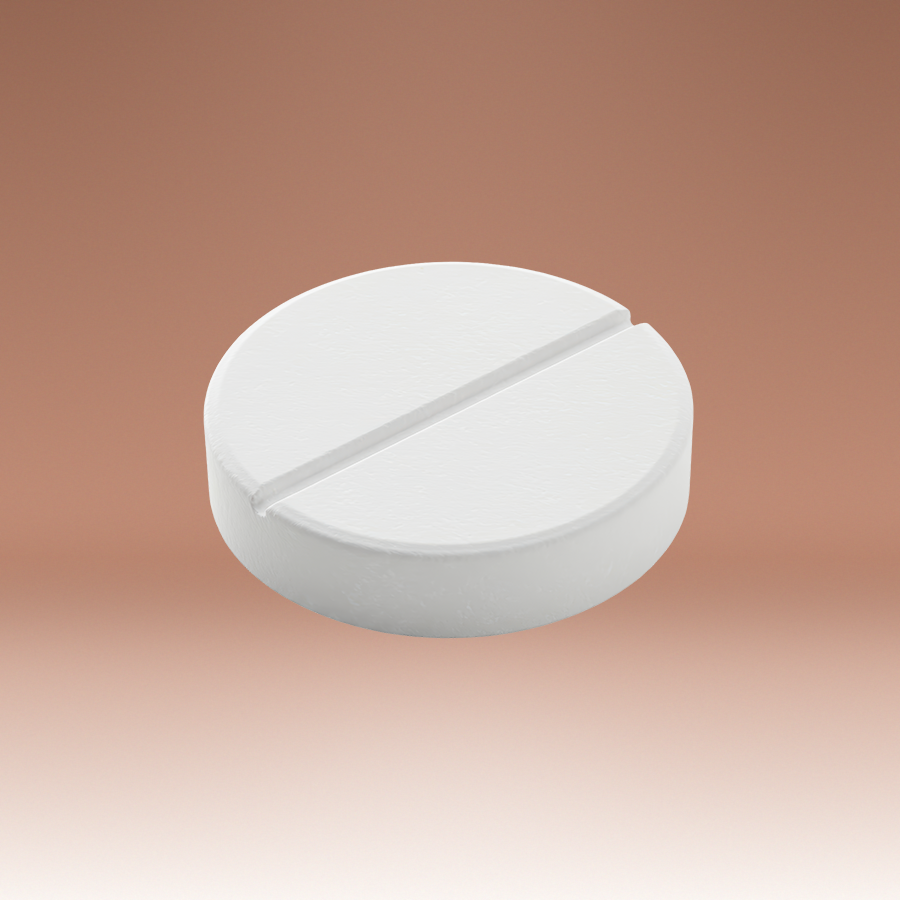
Available strengths: 25 mg and 50 mg tablets, taken once daily.

Supply: Ships as a 90-day supply.

Key Features

Targets Hormonal Acne at Its Driver: Spironolactone blocks androgen receptors in the skin's sebaceous glands, reducing the hormonal signal behind excess oil production and clogged pores.

Reaches What Topicals Miss: As an oral medication it acts across every affected area at once — jawline, chin, neck, chest, and back — not only where a cream is applied.

No Antibiotic: A long-term option for persistent adult acne that does not contribute to antibiotic resistance, which is why guidelines position it as an alternative to repeated antibiotic courses.

Also Used for Unwanted Hair Growth: The same androgen blockade is prescribed off-label for excess facial and body hair in women, including hair growth related to PCOS.

Two Strengths, Clinician-Titrated: Treatment typically starts low at 25 mg or 50 mg once daily, with your clinician adjusting the dose based on your response and tolerance.

Pairs With the Rest of Your Routine: Works alongside topical retinoids and other acne treatments, and is commonly prescribed together with a combined oral contraceptive.

HIPAA-compliant careU.S.-licensed cliniciansTransparent pricingFree expedited shippingEasy questionnaire100% OnlineNo insurance required

Clarity, at the cause.

The best skincare isn't trend-driven — it's evidence-driven. Our physician-curated formulations are designed for long-term skin health, not quick fixes.

Acne & Clarity

Physician-formulated protocols to address breakouts at the source, not just treat the surface.

Clears at the cause

Protocols address the hormonal and cellular drivers of breakouts, not just symptoms.

Custom-compounded

Physician-formulated for your skin, at strengths beyond the drugstore aisle.

Smoother texture

Clinical-grade actives refine texture and minimize pores over time.

Common questions, answered.

What is oral spironolactone, and how does it treat acne?

Spironolactone is a prescription tablet taken once daily. It blocks androgen receptors in the skin's oil (sebaceous) glands, which lowers the hormonal signal that tells those glands to overproduce sebum. Less oil means fewer clogged pores and less of the inflammation behind hormonal breakouts. Because it works internally rather than on the surface, it reaches every affected area at once — jawline, chin, neck, chest, and back. It is also a mild diuretic, which is why your clinician reviews your other medications and health history before prescribing it.

Is spironolactone FDA-approved for acne?

Spironolactone tablets are FDA-approved, but the approved uses are high blood pressure, heart failure, certain kinds of fluid retention, and primary hyperaldosteronism. Prescribing it for acne is an off-label use — the medication itself is approved, and the specific use is not. Off-label prescribing is common and legal, and in this case it is supported by decades of dermatology literature; the American Academy of Dermatology's 2024 acne guideline includes spironolactone among its recommended options. We state it plainly so you know exactly what you are taking.

How long does it take to see a difference?

Spironolactone is gradual, not immediate. In published studies, initial changes are typically noted around the three-month mark, with continued improvement over roughly the following three months. Your clinician will usually reassess after several months of consistent daily use before making a decision about the dose. Consistency matters more than anything else here — taking it daily is what allows the effect to build. Individual results vary.

Will I take the 25 mg or the 50 mg tablet?

Your clinician decides, based on your history, your acne pattern, and how you tolerate treatment. Most people start at a lower dose — often 25 mg or 50 mg once daily — and the dose is adjusted at follow-up if needed. Starting low and increasing gradually tends to reduce side effects such as lightheadedness and increased urination. Never change your dose on your own.

What are the most common side effects?

The most frequently reported effects are increased urination (spironolactone is a mild diuretic), irregular periods or spotting, breast tenderness or enlargement, lightheadedness on standing, fatigue, and headache. Most are dose-related and often ease as your body adjusts; a dose adjustment usually helps if they do not. Taking your tablet in the morning can reduce nighttime bathroom trips. Read the full Important Safety Information and tell your provider about anything that persists.

Do I need blood tests to check my potassium?

Spironolactone causes the body to retain potassium. In healthy young women with normal kidney function, meaningful increases are uncommon, and current dermatology guidance does not call for routine potassium monitoring in that group. Your clinician may order blood work if you are older, have kidney, liver, heart, or adrenal conditions or diabetes, or take a medication that also raises potassium — including ACE inhibitors, ARBs, potassium supplements, salt substitutes, regular NSAIDs, or trimethoprim/sulfamethoxazole. Always share your full medication list.

Can I take spironolactone with birth control?

Yes — the two are commonly prescribed together. A combined oral contraceptive lowers androgen production while spironolactone blocks the receptor, so they address hormonal acne through complementary routes. The pill also reduces the menstrual irregularity and spotting that spironolactone can cause, and it provides the reliable contraception recommended during treatment. One note: pills containing drospirenone (such as Yaz, Yasmin, or Slynd) also have a potassium-sparing effect, so tell your provider if you take one.

Can I take spironolactone if I am pregnant or trying to conceive?

No. Spironolactone should be avoided during pregnancy because of its potential effect on the sexual development of a male fetus. Clinicians generally recommend reliable contraception while taking it, and it should be stopped before trying to conceive. Tell your provider right away if you become pregnant or are planning to. Information on use while breastfeeding is limited, so discuss that with your provider as well.

Does spironolactone help with unwanted facial or body hair?

It is prescribed off-label for this purpose in women, including excess hair growth related to PCOS. The same androgen blockade that reduces oil production also reduces the androgen signal at the hair follicle. Hair responds more slowly than skin, because change only shows as follicles enter a new growth cycle — professional guidelines suggest allowing at least six months before judging the result. Your clinician will tell you whether spironolactone fits your situation.

Can I use it alongside tretinoin or my other acne treatments?

Usually, yes. Spironolactone addresses the hormonal driver from the inside while a topical retinoid such as tretinoin works on cell turnover and clogged pores at the surface, so the two are often combined. Share every product and prescription you use — including cleansers, retinoids, and antibiotics — so your clinician can build a routine that works together rather than one that irritates your skin.

Is spironolactone prescribed for men?

Generally no. At the doses used for acne, spironolactone's androgen-blocking effect can cause breast tenderness and enlargement and reduced libido in men, so it is not a standard acne therapy for them. Men with persistent acne have other options — topical retinoids and other prescription treatments among them. Our clinicians can review what fits.

What happens if I stop taking it?

Spironolactone manages an ongoing hormonal driver rather than permanently changing it, so acne commonly returns after stopping. Many people stay on it long term — with no antibiotic involved, there is no resistance concern with continued use — while others taper off under clinician guidance once their skin has been stable for a while. Talk to your provider before stopping so you have a plan rather than a rebound.

How much medication comes in an order?

Spironolactone ships as a 90-day supply — one tablet daily, three months at a time. That matches how the medication actually works: improvement builds gradually, and clinicians generally reassess after a few months of consistent daily use, so a 90-day supply carries you to that first real checkpoint without a refill in between. It also means fewer shipments to track and fewer chances to run out mid-treatment.

What are you waiting for?

Take the first step.

A brief quesitionnaire. A licensed clinician. Treatment shipped to your door if you qualify.

HIPAA-compliant careU.S.-licensed cliniciansTransparent pricingFree expedited shippingEasy questionnaire100% OnlineNo insurance required